Keep Your White Shoes Looking Brand New with Just Water and a Magic Eraser
2026-02-27
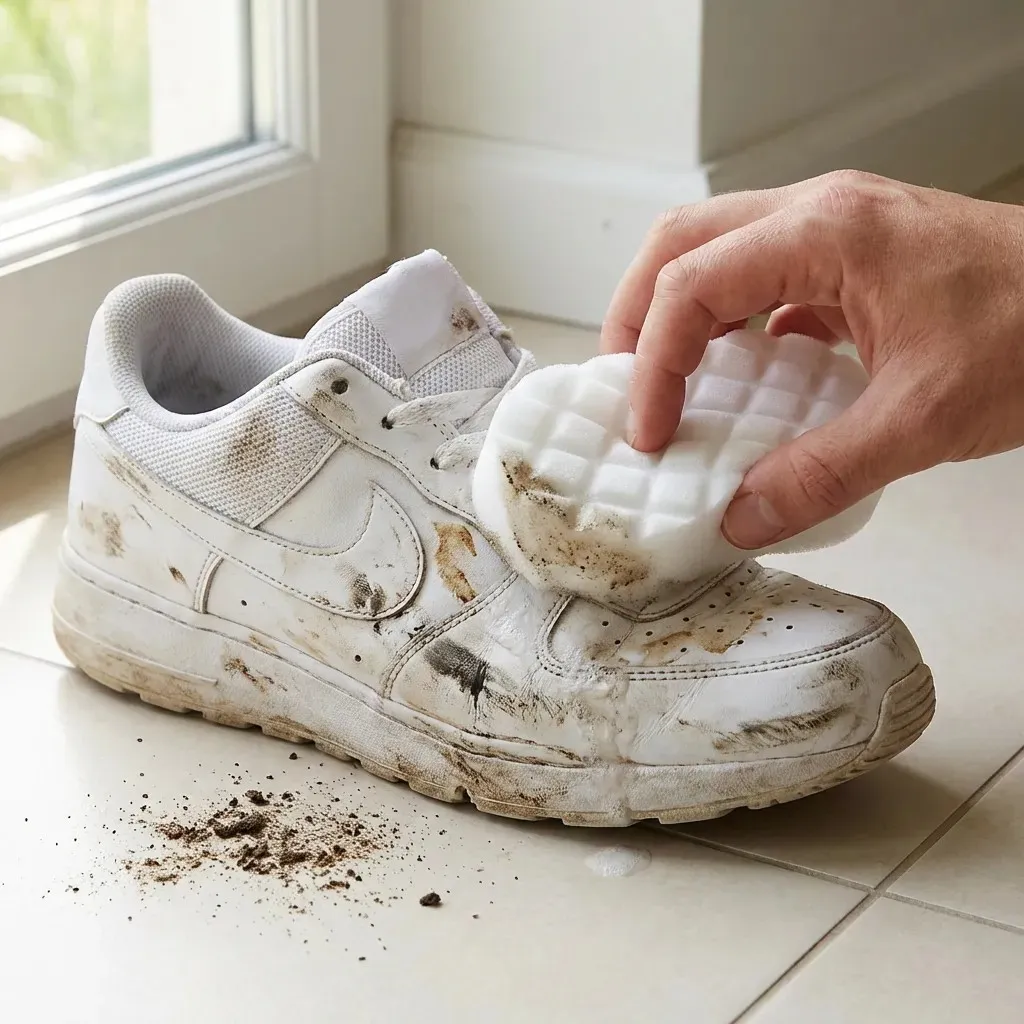
Keeping white shoes clean poses a frequent issue for shoe lovers and everyday walkers. Usual cleaning ways often rely on strong soaps or rough brushes, which can weaken the shoe fabrics. Yet, current material science provides a better option via mechanical cleaning methods. For top foam production, FoamTech serves as a main global expert. Their large 30,000 square meter site and work on melamine development make this producer offer strong solutions beyond basic store sponges. Their drive for quality shows in full services, from custom OEM builds to strict checks. Sourcing from this industry leader means tools that support the environment and last long.
The Science of Magic Eraser Cleaning for Footwear
A magic sponge works due to its open-cell design, which differs from standard cloths or brushes. This material forms a 3D web of firm melamine resin threads. When applied to shoes, it serves as a tiny abrasive, much like fine sandpaper, to pull grime from the surface.
Melamine Resin Structure
The core build includes small threads as tough as glass, yet the foam stays bendable. These threads enter the fine gaps and patterns in shoe leather or rubber, areas that normal cloths fail to touch. As a result, cleaning reaches deeper levels without added effort.
Physical Stain Adsorption Mechanism
The process uses physical pulling instead of chemical changes. When the wet sponge glides over the shoe, it severs the link between grime and surface, then holds the particles in its open spaces. This method ensures thorough removal while leaving no residue behind.
Eco-friendly Chemical-free Solution
The action depends fully on the foam's physical traits, so detergents or bleaches become unnecessary. Such an approach cuts chemical waste into nature and avoids skin issues during use. Overall, it promotes safer handling for both users and surroundings.
Essential Preparations for Professional Results
Restoring sneakers to a new-like state needs more than a simple pass. Correct tools make the task quick and safe for shoe parts. A targeted Multi-Purpose Magic Cleaning Sponge handles broad stains and marks on diverse fabrics best.
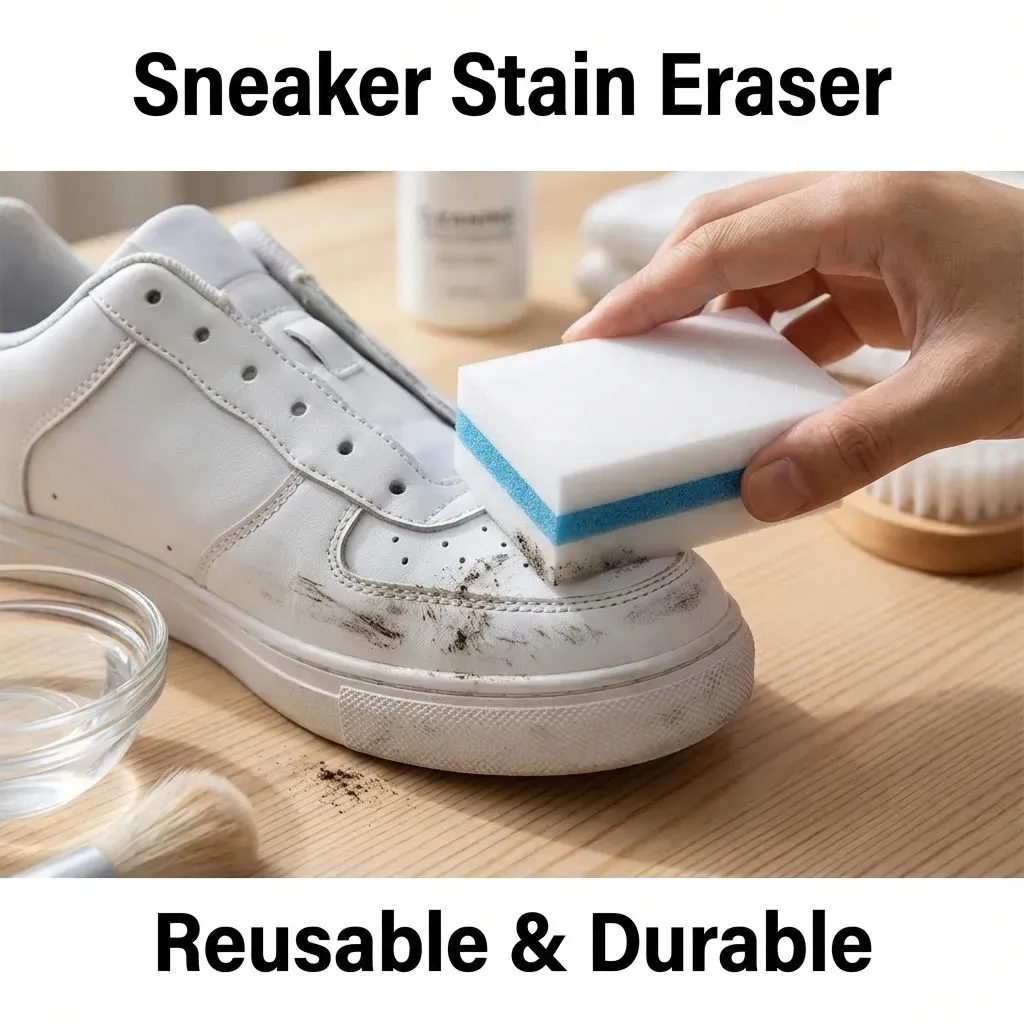
FoamTech Multi-Purpose Magic Cleaning Sponge
This flexible item acts as the key tool for the shoe's main areas. Its even density fits the shoe's shapes, and it holds enough firmness to clear dark marks. Thus, it delivers reliable results across various surfaces.
High-Density Hot-Pressed Sponge for Stubborn Dirt
Heavy buildup or rough spots like soles demand a denser type. The Hot-pressed sponge gains strength through heat compression, boosting its lasting power and clean force. This upgrade tackles tough spots that standard versions might miss.
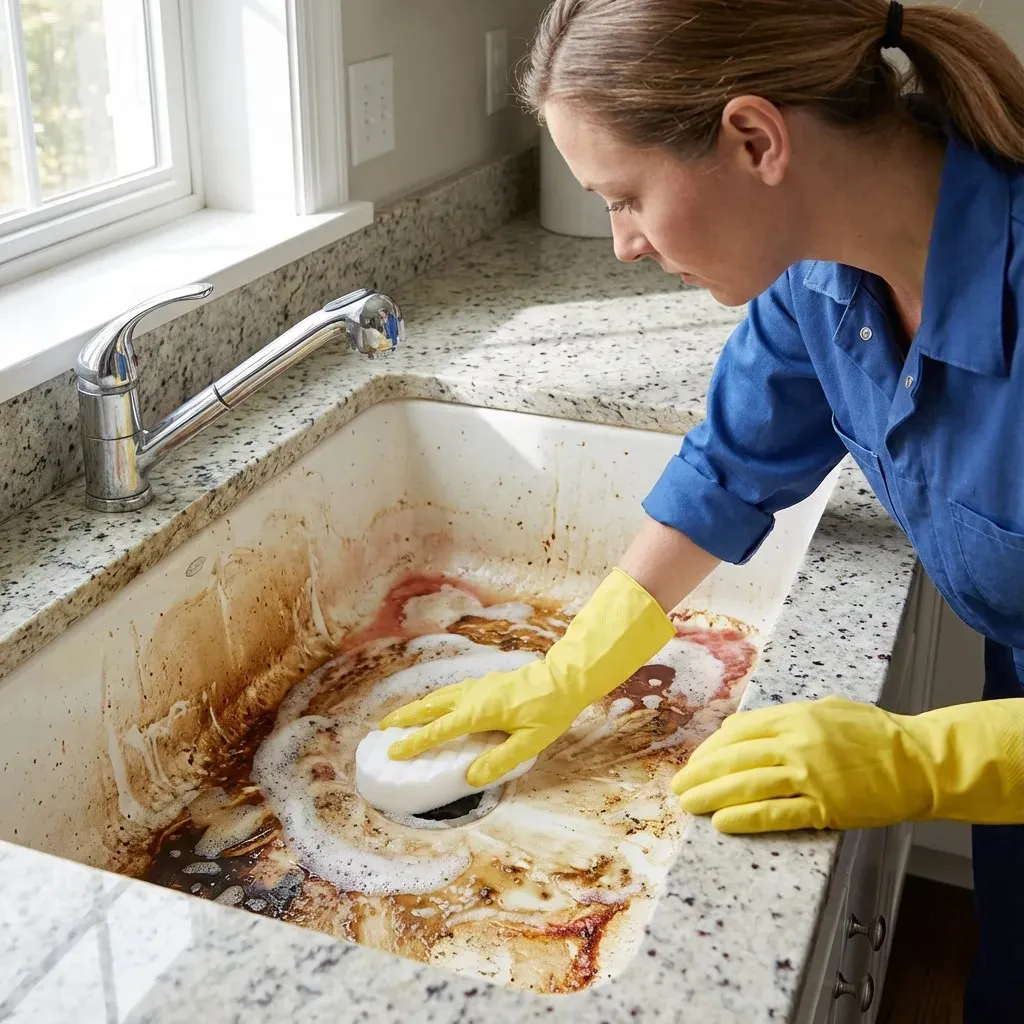
Clean Water and Microfiber Towel
Plain water starts the melamine foam's action. A follow-up microfiber towel dries the area and clears loose bits right after. Together, these basics complete the process without extras.
Dry Brush for Loose Dust Removal
A dry brush first sweeps off surface dust to block mud creation. This prep lets the sponge target fixed stains over loose ones. In turn, it sharpens the overall clean.
Step-by-Step Guide to Restoring Your Sneakers
A planned method stops dirt spread and avoids soaking shoe parts. Steady steps also lengthen the sponge's life for better value from each piece.
Sponge Activation and Proper Moisture Control
Soak the sponge in water, then squeeze it between hands to shed extra liquid. Avoid twisting, as that breaks the fine threads and leads to early breakdown. Proper handling keeps the structure intact for full use.
Gentle Circular Motion for Upper Surface Cleaning
Press the sponge lightly on the shoe tops with even force. Circular passes let the tiny threads lift dirt from leather grains or synthetic patterns. This technique covers evenly without harm.
Targeted Scrubbing for Textured Rubber Soles
Use the firmer hot-pressed type on rubber soles and edges. These spots take more pressure, and the dense foam wipes out black lines along the sides. As such, it restores the base fully.
Immediate Residue Wipe with Dry Cloth
Cleaning leaves a light wet film with trapped dirt. A fresh towel must remove it fast before drying sets the particles back. Quick action prevents re-staining.
Key Considerations for Different Shoe Materials
Magic Erasers clean well but act as mild abrasives. Shoe fabric type guides the force and way to use, avoiding unwanted wear.
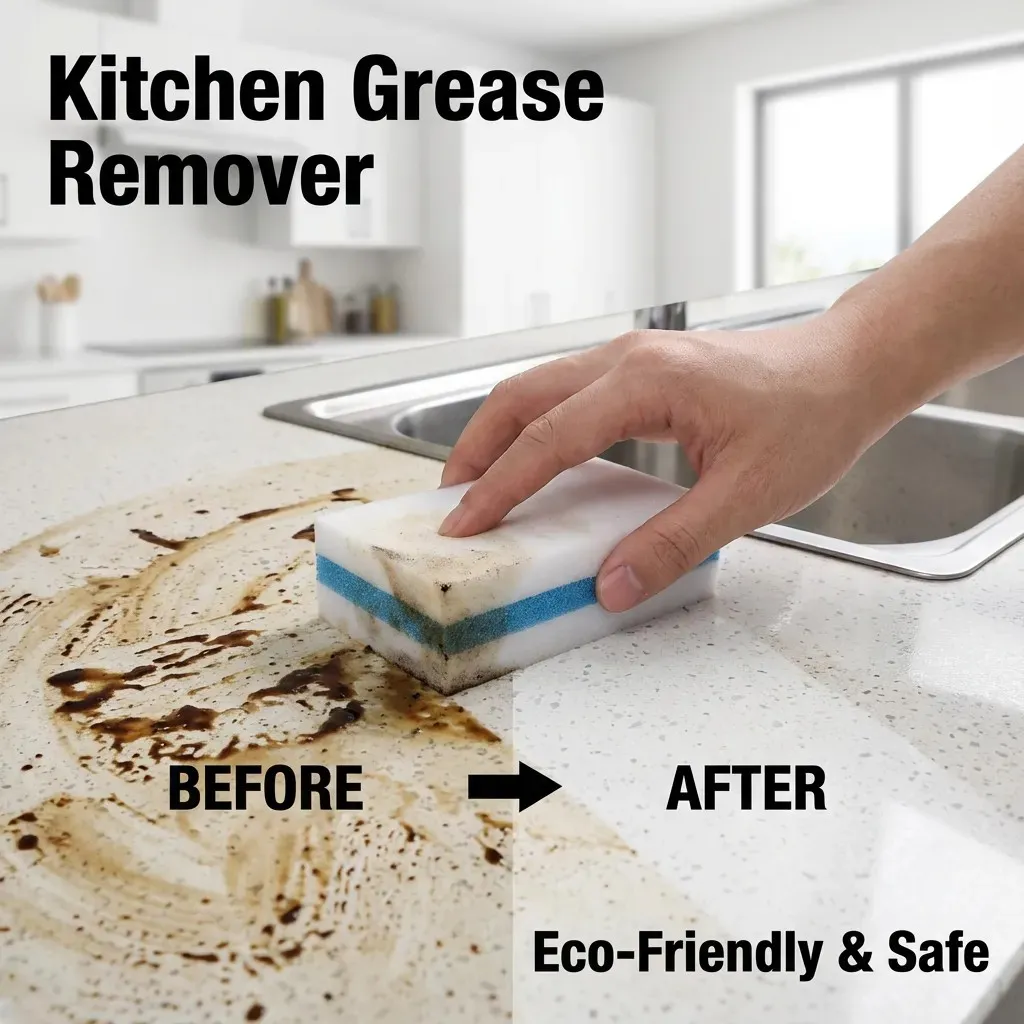
Smooth Leather and Synthetic Surface Safety
Plain leathers and synthetics on sports shoes suit this method. The foam clears yellow spots and marks without full water dips. It preserves the look while handling stains.
Caution for Delicate Suede and Fabric Mesh
Suede and mesh need care, since the sponge's grit can shift suede texture or fray fabrics. Restrict it to soft, small spot work on these. Alternative tools work better for broad areas.
Testing Procedures for Dyed or Painted Finishes
Some shoes have thin color layers open to rubbing. Test a small spot like the tongue first to check color hold. If stable, extend to other parts safely.
Avoiding Excessive Pressure to Prevent Tearing
Extra force yields no gain and risks sponge rips. The fine build handles the task, so light effort suffices. This balances clean power with tool care.
Why FoamTech Leads the Magic Eraser Industry
Melamine foam quality shapes the clean outcome and tool span. Products from a proven manufacturer deliver dense material for hard tasks, unlike weak ones that fail quick.
Decades of Innovation in Melamine Foam Manufacturing
Long industry time hones the foam process. It yields even cell patterns for steady clean across the sponge. Such consistency boosts performance.
Advanced Hot-Pressing Technology for Enhanced Durability
Heat and pressure double or triple foam density. The result resists breaks on rough shoe parts like treads. It extends use in tough spots.
Custom Shapes and Sizes for Global Wholesale
Producers offer varied forms for set needs. This aids firms in shoe kits or large supplies. Flexibility meets market demands.
Strict Quality Control and International Standards
Full tests clear out bad elements and ensure even work. Global rules confirm safety and results. Buyers gain trust in the items.
FAQ
Q1: How many times can I reuse a single magic sponge for shoe cleaning?
A: A single sponge can typically clean several pairs of shoes, though it will gradually wear down and shrink as the filaments break away while lifting dirt.
Q2: Is it necessary to use soap with the hot-pressed sponge?
A: No, adding soap is not required and can actually reduce the friction needed for the nano-filaments to work effectively; water alone is the best activator.
Q3: Can these sponges remove the yellowing on old rubber soles?
A: Yes, the micro-abrasive action is very effective at removing the oxidized top layer of rubber, which often restores the original white color of the midsole.
Q4: Will the sponge damage the stitching on my sneakers?
A: If you use light pressure, the sponge is safe for stitching; however, avoid aggressive scrubbing directly over loose threads to prevent snagging.
Q5: Where can I find more information or purchase these tools in bulk?
A: You can visit the contact us page to speak with a specialist about bulk orders, customization, and specific product specifications.
Keeping white shoes clean poses a frequent issue for shoe lovers and everyday walkers. Usual cleaning ways often rely on strong soaps or rough brushes, which can weaken the shoe fabrics. Yet, current material science provides a better option via mechanical cleaning methods. For top foam production, FoamTech serves as a main global expert. Their large 30,000 square meter site and work on melamine development make this producer offer strong solutions beyond basic store sponges. Their drive for quality shows in full services, from custom OEM builds to strict checks. Sourcing from this industry leader means tools that support the environment and last long.
The Science of Magic Eraser Cleaning for Footwear
A magic sponge works due to its open-cell design, which differs from standard cloths or brushes. This material forms a 3D web of firm melamine resin threads. When applied to shoes, it serves as a tiny abrasive, much like fine sandpaper, to pull grime from the surface.
Melamine Resin Structure
The core build includes small threads as tough as glass, yet the foam stays bendable. These threads enter the fine gaps and patterns in shoe leather or rubber, areas that normal cloths fail to touch. As a result, cleaning reaches deeper levels without added effort.
Physical Stain Adsorption Mechanism
The process uses physical pulling instead of chemical changes. When the wet sponge glides over the shoe, it severs the link between grime and surface, then holds the particles in its open spaces. This method ensures thorough removal while leaving no residue behind.
Eco-friendly Chemical-free Solution
The action depends fully on the foam's physical traits, so detergents or bleaches become unnecessary. Such an approach cuts chemical waste into nature and avoids skin issues during use. Overall, it promotes safer handling for both users and surroundings.
Essential Preparations for Professional Results
Restoring sneakers to a new-like state needs more than a simple pass. Correct tools make the task quick and safe for shoe parts. A targeted Multi-Purpose Magic Cleaning Sponge handles broad stains and marks on diverse fabrics best.
FoamTech Multi-Purpose Magic Cleaning Sponge
This flexible item acts as the key tool for the shoe's main areas. Its even density fits the shoe's shapes, and it holds enough firmness to clear dark marks. Thus, it delivers reliable results across various surfaces.
High-Density Hot-Pressed Sponge for Stubborn Dirt
Heavy buildup or rough spots like soles demand a denser type. The Hot-pressed sponge gains strength through heat compression, boosting its lasting power and clean force. This upgrade tackles tough spots that standard versions might miss.
Clean Water and Microfiber Towel
Plain water starts the melamine foam's action. A follow-up microfiber towel dries the area and clears loose bits right after. Together, these basics complete the process without extras.
Dry Brush for Loose Dust Removal
A dry brush first sweeps off surface dust to block mud creation. This prep lets the sponge target fixed stains over loose ones. In turn, it sharpens the overall clean.
Step-by-Step Guide to Restoring Your Sneakers
A planned method stops dirt spread and avoids soaking shoe parts. Steady steps also lengthen the sponge's life for better value from each piece.
Sponge Activation and Proper Moisture Control
Soak the sponge in water, then squeeze it between hands to shed extra liquid. Avoid twisting, as that breaks the fine threads and leads to early breakdown. Proper handling keeps the structure intact for full use.
Gentle Circular Motion for Upper Surface Cleaning
Press the sponge lightly on the shoe tops with even force. Circular passes let the tiny threads lift dirt from leather grains or synthetic patterns. This technique covers evenly without harm.
Targeted Scrubbing for Textured Rubber Soles
Use the firmer hot-pressed type on rubber soles and edges. These spots take more pressure, and the dense foam wipes out black lines along the sides. As such, it restores the base fully.
Immediate Residue Wipe with Dry Cloth
Cleaning leaves a light wet film with trapped dirt. A fresh towel must remove it fast before drying sets the particles back. Quick action prevents re-staining.
Key Considerations for Different Shoe Materials
Magic Erasers clean well but act as mild abrasives. Shoe fabric type guides the force and way to use, avoiding unwanted wear.
Smooth Leather and Synthetic Surface Safety
Plain leathers and synthetics on sports shoes suit this method. The foam clears yellow spots and marks without full water dips. It preserves the look while handling stains.
Caution for Delicate Suede and Fabric Mesh
Suede and mesh need care, since the sponge's grit can shift suede texture or fray fabrics. Restrict it to soft, small spot work on these. Alternative tools work better for broad areas.
Testing Procedures for Dyed or Painted Finishes
Some shoes have thin color layers open to rubbing. Test a small spot like the tongue first to check color hold. If stable, extend to other parts safely.
Avoiding Excessive Pressure to Prevent Tearing
Extra force yields no gain and risks sponge rips. The fine build handles the task, so light effort suffices. This balances clean power with tool care.
Why FoamTech Leads the Magic Eraser Industry
Melamine foam quality shapes the clean outcome and tool span. Products from a proven manufacturer deliver dense material for hard tasks, unlike weak ones that fail quick.
Decades of Innovation in Melamine Foam Manufacturing
Long industry time hones the foam process. It yields even cell patterns for steady clean across the sponge. Such consistency boosts performance.
Advanced Hot-Pressing Technology for Enhanced Durability
Heat and pressure double or triple foam density. The result resists breaks on rough shoe parts like treads. It extends use in tough spots.
Custom Shapes and Sizes for Global Wholesale
Producers offer varied forms for set needs. This aids firms in shoe kits or large supplies. Flexibility meets market demands.
Strict Quality Control and International Standards
Full tests clear out bad elements and ensure even work. Global rules confirm safety and results. Buyers gain trust in the items.
FAQ
Q1: How many times can I reuse a single magic sponge for shoe cleaning?
A: A single sponge can typically clean several pairs of shoes, though it will gradually wear down and shrink as the filaments break away while lifting dirt.
Q2: Is it necessary to use soap with the hot-pressed sponge?
A: No, adding soap is not required and can actually reduce the friction needed for the nano-filaments to work effectively; water alone is the best activator.
Q3: Can these sponges remove the yellowing on old rubber soles?
A: Yes, the micro-abrasive action is very effective at removing the oxidized top layer of rubber, which often restores the original white color of the midsole.
Q4: Will the sponge damage the stitching on my sneakers?
A: If you use light pressure, the sponge is safe for stitching; however, avoid aggressive scrubbing directly over loose threads to prevent snagging.
Q5: Where can I find more information or purchase these tools in bulk?
A: You can visit the contact us page to speak with a specialist about bulk orders, customization, and specific product specifications.
Related Recommendations


Family owned company, globalleader in development andmanufacturing of home careproducts for private label andcontract manufacturing
Copyright © 2026 FoamTech (Zhejiang) New Materials Co., Ltd.