How Does the Magic Eraser Sponge Work its Miracles on Stubborn Restaurant Wall Stains?
2026-05-14
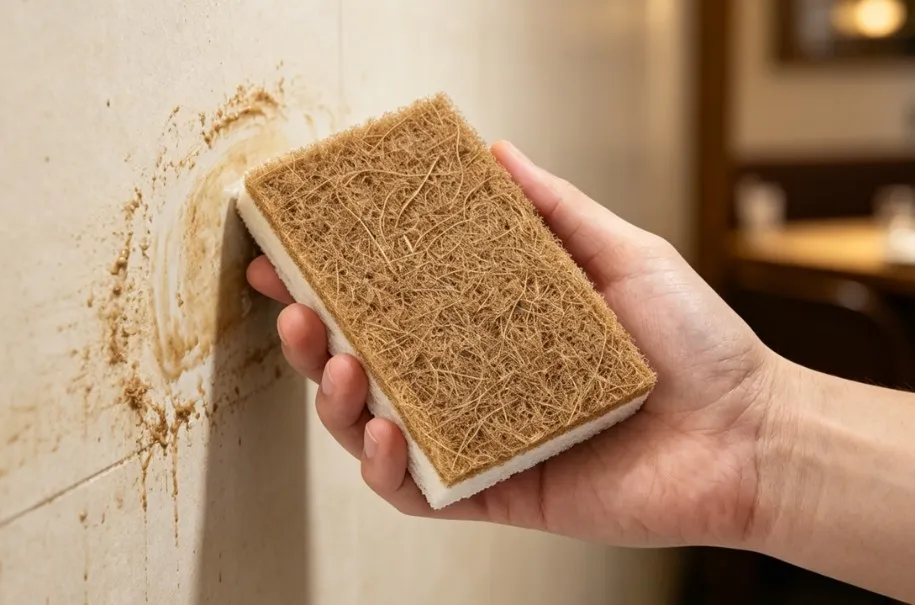
Keeping a clean dining area demands constant effort against floating grease and chance marks. When common liquid cleaners cannot remove yellow oil layers from walls, expert tools turn necessary. FoamTech, a tech company focused on superior melamine foam, supplies the strong solutions needed for world trade and nearby hotels. As an official National Green Factory with ISO 9001 certification, they link solid work with green safety. If you must clear a tough health check or just update a busy passage, their knowledge in nano-material making keeps surfaces clear without harsh chemicals. Check their whole set of services or get in touch to fix hard cleaning problems.
The Science behind the Magic of Melamine Foam in High-Traffic Commercial Kitchens
These sponges succeed not from a hidden chemical recipe, but from the special physical build of the stuff. When you take a melamine sponge in hand, you grasp a grid of firm, glass-style resin fibers expanded into a pliable, open-cell setup.
Physical Abrasion via Micro-Cellular Structure
The foam holds a three-dimensional form that works like very fine grit paper. Since the fibers stand tougher than most organic spots but gentler than wall coating, they manage to brush off dirt at a small scale. Therefore, it acts basically as a mechanical wiper that pulls the soil from the surface feel.
The Capillary Effect for Deep Grease Extraction
Open porosity names the small passages in the foam. When you wet the sponge, these tiny openings draw liquefied grease and soot via capillary action. Rather than simply pushing the oil over the wall, the sponge holds the bits far inside its core frame.
Chemical-Free Cleaning for Enhanced Food Safety Standards
Because the cleaning strength comes solely from mechanics, you need not fear harmful vapors or chemical traces near food zones. By employing only water, you follow firm safety rules and shield the wellness of kitchen workers and visitors.
Why Restaurant Walls Accumulate Stubborn Stains that Regular Detergents Cannot Touch
Business kitchens form rough spots where warmth and wetness change plain soil into durable compounds. A moist cloth and soap usually pass over these traces since the tie between spot and wall turns too tight.
The Complex Composition of Cooking Oil Vapors and Smoke
Vaporized oils land on upright faces and harden upon cooling, building a gummy coat. With time, this coat draws dust and burned bits from the stove. Hence, the mix solidifies into a yellow sheet that fights most liquid washes, above all on absorbent or rough drywall.
Scuff Marks from High-Frequency Foot Traffic and Equipment Movement
Staff with full trays and kitchen helpers shifting steel carts often strike walls. Such hits leave rubber or metal lines. These involve more than face-level soil; they represent matter shifts that call for a device with exact scraping to erase.
Micro-Porous Wall Surfaces as Harbors for Persistent Grime
Walls that seem even contain small dips. Usual cleaning fabrics often prove too bulky to enter these micro-pores. That explains why a wall can appear dull after full rubbing; the soil hides truly below the span of a standard sponge.
Step-By-Step Guide to Restoring Restaurant Walls with the Melamine Magic Sponge Cleaner
Returning walls to their first form needs a planned way to avoid harm to the base coat. Thick foam holds up better and gives steadier outcomes in a work place.
Preparation and Proper Moistening Techniques for Optimal Performance
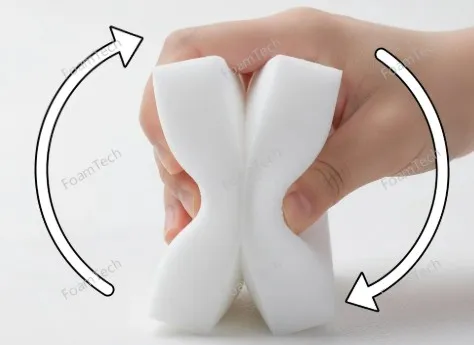
Start by dipping your Melamine Magic Sponge Cleaner in pure water. Press it lightly in your hands to let out the extra; do not turn or squeeze the foam, for that snaps the fine inner fibers. A wet sponge works much better than a soaked one, as it keeps the pull effect sound in the cells.
Strategic Spot Cleaning without Damaging Surface Paint or Texture
Test a tiny, hidden spot at the start. As you tackle the chief stain, apply soft force and round sweeps. The foam fades like a pencil rubber, so watch for bits while the sponge acts. Seeing the first wall shade come back proves quite pleasing, yet avoid too much zeal and rub past the paint.
Post-Cleaning Rinsing to Ensure a Residue-Free Professional Finish
Once the stain fades, pass a fresh, moist cloth over the zone. This clears the worn foam grains and any freed soil not wholly taken by the sponge. Such an action makes the wall seem smooth after it dries.
Strategic Integration of FoamTech Eco-Friendly Solutions for Modern Foodservice Hygiene
A clever cleaning plan uses varied devices for set jobs to cut time and lessen waste. Mixing advanced foam with common natural threads builds an even setup for any eatery.
Maximizing Efficiency with the Melamine Magic Sponge Cleaner for Vertical Surfaces
For those set-deep grease spots and firm scuffs on walls, the Melamine Magic Sponge Cleaner serves as the key fix. Its thick build of 40-60kg/m³ means it avoids breaking right away on a bumpy wall part, rendering it a money-saving option for wide operations.
Incorporating 100% Plant-Based Coconut Fiber and Cellulose Sponges for Daily Maintenance
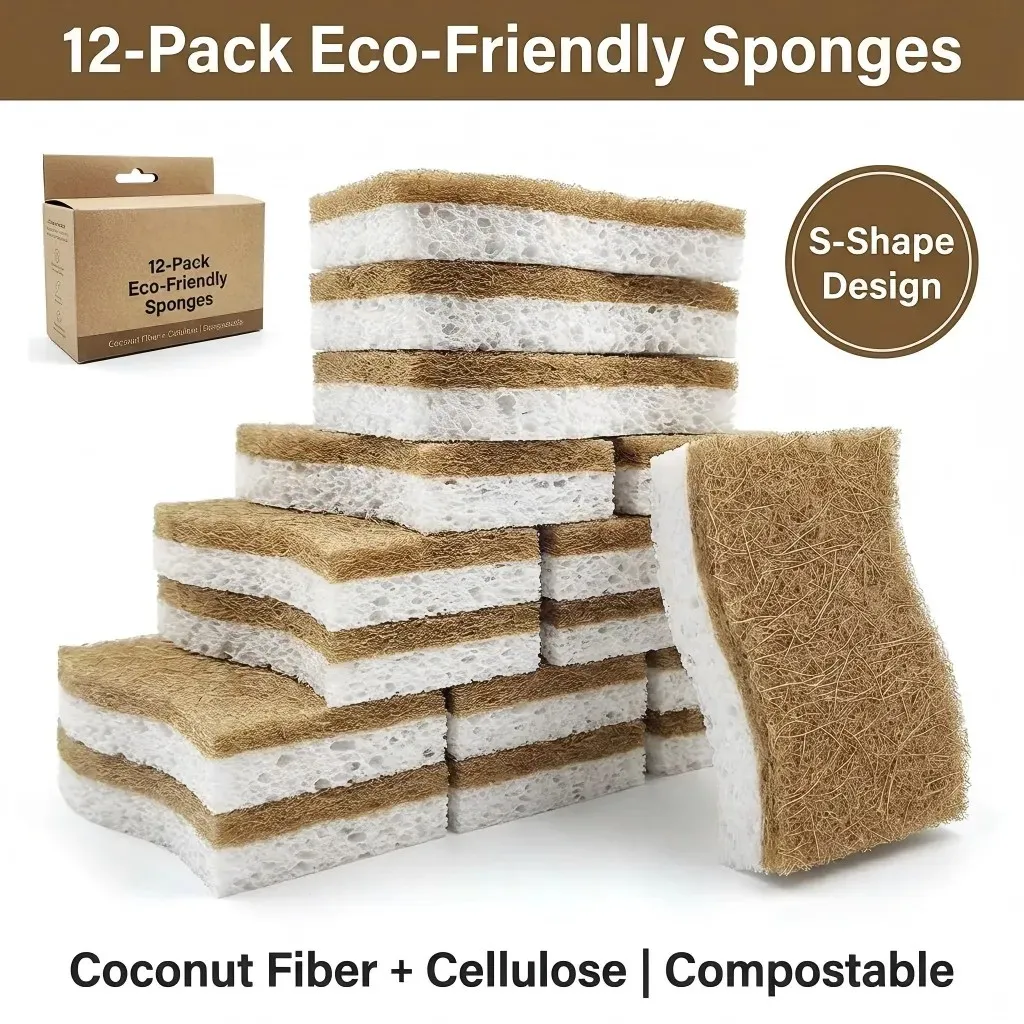
For routine wiping of tops or tending soft gear, pick the Kitchen Sponge: 100% Plant-Based Coconut Fiber + Cellulose. These break down in compost and give a two-face method: the coconut fiber face deals with the rub, while the cellulose face takes spills without dropping fluff.
Balancing Industrial Power with Environmental Sustainability in Cleaning Protocols
Moving to these devices lessens your dependence on plastic sponges that fill dumps. Through physical cleaning ways, you drop the chemical weight in your kitchen, which aids your gear and the surroundings. This easy switch brings a large effect to your green targets.
Common Mistakes to Avoid when Using Magic Erasers on Commercial Wall Finishes
Even though these sponges hold power, wrong handling can bring ugly spots or wrecked coats. Skill in cleaning calls for grasping the bounds of your devices.
Over-Saturation and the Risk of Water Streaks on Matte Surfaces
When the sponge stays too soaked, soiled water flows down the wall, making fresh lines harder to wash later. Hold the sponge only wet enough to move smoothly. If water drops show, press out more.
Excessive Pressure on Delicate Wallpaper or Low-Gloss Paints
The scraping side of melamine can shift a flat coat to a bright patch if you rub with force. Employ the mildest push needed. You fare better passing a spot five times softly than one time with firm strength.
Ignoring the Manufacturer Guidelines on Specific Protective Coatings
Certain current walls carry anti-graffiti or special teflon shields. Putting a melamine sponge on them may peel the guard layer. If the wall bears high shine or a set chemical shield, hold to the milder cellulose face of a Kitchen Sponge.
Why FoamTech Stands as the Premier Global Partner for Professional Cleaning Solutions
Selecting a source means more than seeking the base cost; it involves picking a teammate who gets the fine details of the stuff.
Unmatched Expertise in Advanced Nano-Foam Manufacturing
After years of growth and over a hundred patents, the skill level stands deep. They provide beyond sponges; they grasp the frame bulk and open porosity that let the foam function.
Comprehensive Range of Eco-Conscious Cleaning Technologies
From 100% plant-based picks to thick pressed melamine, the item list spans each bit of a restaurant's wants. This range lets you gather buys under one trusty mark.
Dedicated Technical Support and Bespoke Wholesale Services
If you seek custom measures for set gear or special wraps for sales, the crew gives matched fixes. This bend aids firms set to expand or mark their own cleaning rows.
Proven Track Record of International Quality Compliance
With holds like BSCI and ISO 9001, the goods hit the firm levels for send to Europe and more. You can count on the quality staying even from the first lot to the vast.
FAQ
Q1: Can I use a magic eraser on a stainless steel backsplash?
A: You should be very careful. While it can remove burnt-on grease, it may leave fine scratches on highly polished steel. Always test a small corner first or use a soft cellulose sponge instead.
Q2: How long does a single melamine sponge last in a commercial kitchen?
A: It depends on the surface roughness and the pressure you use. High-density sponges last longer, but because they work by wearing away, a single sponge usually covers several large wall sections before needing replacement.
Q3: Is the melamine foam safe if it touches a food preparation surface?
A: The foam is non-toxic, but it is an abrasive. You must always rinse the surface with water after cleaning to remove any tiny foam particles before preparing food.
Q4: Why does my sponge break into small pieces when I use it?
A: This usually happens if the sponge is too dry or if you are twisting it. Ensure it is properly dampened and used with flat, even pressure to maximize its lifespan.
Q5: Are these sponges biodegradable like the coconut fiber ones?
A: No, melamine foam is a type of plastic resin and is not biodegradable. For a fully eco-friendly daily routine, use the coconut and cellulose sponges for general tasks and save the melamine for the toughest stains.
Keeping a clean dining area demands constant effort against floating grease and chance marks. When common liquid cleaners cannot remove yellow oil layers from walls, expert tools turn necessary. FoamTech, a tech company focused on superior melamine foam, supplies the strong solutions needed for world trade and nearby hotels. As an official National Green Factory with ISO 9001 certification, they link solid work with green safety. If you must clear a tough health check or just update a busy passage, their knowledge in nano-material making keeps surfaces clear without harsh chemicals. Check their whole set of services or get in touch to fix hard cleaning problems.
The Science behind the Magic of Melamine Foam in High-Traffic Commercial Kitchens
These sponges succeed not from a hidden chemical recipe, but from the special physical build of the stuff. When you take a melamine sponge in hand, you grasp a grid of firm, glass-style resin fibers expanded into a pliable, open-cell setup.
Physical Abrasion via Micro-Cellular Structure
The foam holds a three-dimensional form that works like very fine grit paper. Since the fibers stand tougher than most organic spots but gentler than wall coating, they manage to brush off dirt at a small scale. Therefore, it acts basically as a mechanical wiper that pulls the soil from the surface feel.
The Capillary Effect for Deep Grease Extraction
Open porosity names the small passages in the foam. When you wet the sponge, these tiny openings draw liquefied grease and soot via capillary action. Rather than simply pushing the oil over the wall, the sponge holds the bits far inside its core frame.
Chemical-Free Cleaning for Enhanced Food Safety Standards
Because the cleaning strength comes solely from mechanics, you need not fear harmful vapors or chemical traces near food zones. By employing only water, you follow firm safety rules and shield the wellness of kitchen workers and visitors.
Why Restaurant Walls Accumulate Stubborn Stains that Regular Detergents Cannot Touch
Business kitchens form rough spots where warmth and wetness change plain soil into durable compounds. A moist cloth and soap usually pass over these traces since the tie between spot and wall turns too tight.
The Complex Composition of Cooking Oil Vapors and Smoke
Vaporized oils land on upright faces and harden upon cooling, building a gummy coat. With time, this coat draws dust and burned bits from the stove. Hence, the mix solidifies into a yellow sheet that fights most liquid washes, above all on absorbent or rough drywall.
Scuff Marks from High-Frequency Foot Traffic and Equipment Movement
Staff with full trays and kitchen helpers shifting steel carts often strike walls. Such hits leave rubber or metal lines. These involve more than face-level soil; they represent matter shifts that call for a device with exact scraping to erase.
Micro-Porous Wall Surfaces as Harbors for Persistent Grime
Walls that seem even contain small dips. Usual cleaning fabrics often prove too bulky to enter these micro-pores. That explains why a wall can appear dull after full rubbing; the soil hides truly below the span of a standard sponge.
Step-By-Step Guide to Restoring Restaurant Walls with the Melamine Magic Sponge Cleaner
Returning walls to their first form needs a planned way to avoid harm to the base coat. Thick foam holds up better and gives steadier outcomes in a work place.
Preparation and Proper Moistening Techniques for Optimal Performance
Start by dipping your Melamine Magic Sponge Cleaner in pure water. Press it lightly in your hands to let out the extra; do not turn or squeeze the foam, for that snaps the fine inner fibers. A wet sponge works much better than a soaked one, as it keeps the pull effect sound in the cells.
Strategic Spot Cleaning without Damaging Surface Paint or Texture
Test a tiny, hidden spot at the start. As you tackle the chief stain, apply soft force and round sweeps. The foam fades like a pencil rubber, so watch for bits while the sponge acts. Seeing the first wall shade come back proves quite pleasing, yet avoid too much zeal and rub past the paint.
Post-Cleaning Rinsing to Ensure a Residue-Free Professional Finish
Once the stain fades, pass a fresh, moist cloth over the zone. This clears the worn foam grains and any freed soil not wholly taken by the sponge. Such an action makes the wall seem smooth after it dries.
Strategic Integration of FoamTech Eco-Friendly Solutions for Modern Foodservice Hygiene
A clever cleaning plan uses varied devices for set jobs to cut time and lessen waste. Mixing advanced foam with common natural threads builds an even setup for any eatery.
Maximizing Efficiency with the Melamine Magic Sponge Cleaner for Vertical Surfaces
For those set-deep grease spots and firm scuffs on walls, the Melamine Magic Sponge Cleaner serves as the key fix. Its thick build of 40-60kg/m³ means it avoids breaking right away on a bumpy wall part, rendering it a money-saving option for wide operations.
Incorporating 100% Plant-Based Coconut Fiber and Cellulose Sponges for Daily Maintenance
For routine wiping of tops or tending soft gear, pick the Kitchen Sponge: 100% Plant-Based Coconut Fiber + Cellulose. These break down in compost and give a two-face method: the coconut fiber face deals with the rub, while the cellulose face takes spills without dropping fluff.
Balancing Industrial Power with Environmental Sustainability in Cleaning Protocols
Moving to these devices lessens your dependence on plastic sponges that fill dumps. Through physical cleaning ways, you drop the chemical weight in your kitchen, which aids your gear and the surroundings. This easy switch brings a large effect to your green targets.
Common Mistakes to Avoid when Using Magic Erasers on Commercial Wall Finishes
Even though these sponges hold power, wrong handling can bring ugly spots or wrecked coats. Skill in cleaning calls for grasping the bounds of your devices.
Over-Saturation and the Risk of Water Streaks on Matte Surfaces
When the sponge stays too soaked, soiled water flows down the wall, making fresh lines harder to wash later. Hold the sponge only wet enough to move smoothly. If water drops show, press out more.
Excessive Pressure on Delicate Wallpaper or Low-Gloss Paints
The scraping side of melamine can shift a flat coat to a bright patch if you rub with force. Employ the mildest push needed. You fare better passing a spot five times softly than one time with firm strength.
Ignoring the Manufacturer Guidelines on Specific Protective Coatings
Certain current walls carry anti-graffiti or special teflon shields. Putting a melamine sponge on them may peel the guard layer. If the wall bears high shine or a set chemical shield, hold to the milder cellulose face of a Kitchen Sponge.
Why FoamTech Stands as the Premier Global Partner for Professional Cleaning Solutions
Selecting a source means more than seeking the base cost; it involves picking a teammate who gets the fine details of the stuff.
Unmatched Expertise in Advanced Nano-Foam Manufacturing
After years of growth and over a hundred patents, the skill level stands deep. They provide beyond sponges; they grasp the frame bulk and open porosity that let the foam function.
Comprehensive Range of Eco-Conscious Cleaning Technologies
From 100% plant-based picks to thick pressed melamine, the item list spans each bit of a restaurant's wants. This range lets you gather buys under one trusty mark.
Dedicated Technical Support and Bespoke Wholesale Services
If you seek custom measures for set gear or special wraps for sales, the crew gives matched fixes. This bend aids firms set to expand or mark their own cleaning rows.
Proven Track Record of International Quality Compliance
With holds like BSCI and ISO 9001, the goods hit the firm levels for send to Europe and more. You can count on the quality staying even from the first lot to the vast.
FAQ
Q1: Can I use a magic eraser on a stainless steel backsplash?
A: You should be very careful. While it can remove burnt-on grease, it may leave fine scratches on highly polished steel. Always test a small corner first or use a soft cellulose sponge instead.
Q2: How long does a single melamine sponge last in a commercial kitchen?
A: It depends on the surface roughness and the pressure you use. High-density sponges last longer, but because they work by wearing away, a single sponge usually covers several large wall sections before needing replacement.
Q3: Is the melamine foam safe if it touches a food preparation surface?
A: The foam is non-toxic, but it is an abrasive. You must always rinse the surface with water after cleaning to remove any tiny foam particles before preparing food.
Q4: Why does my sponge break into small pieces when I use it?
A: This usually happens if the sponge is too dry or if you are twisting it. Ensure it is properly dampened and used with flat, even pressure to maximize its lifespan.
Q5: Are these sponges biodegradable like the coconut fiber ones?
A: No, melamine foam is a type of plastic resin and is not biodegradable. For a fully eco-friendly daily routine, use the coconut and cellulose sponges for general tasks and save the melamine for the toughest stains.
Related Recommendations


Family owned company, globalleader in development andmanufacturing of home careproducts for private label andcontract manufacturing
Copyright © 2026 FoamTech (Zhejiang) New Materials Co., Ltd.