Coconut Fiber vs. Wood Pulp Sponges: Which is Better for Dishes?
2026-03-02
Choosing the right dish sponge can make a big difference in your daily cleaning routine, and since many folks are now going for eco-friendly ways of living, natural choices like coconut fiber and wood pulp sponges are getting more popular because they deliver solid green cleaning without cutting corners on performance. This piece looks at their traits, perks, and advice on selecting the best fit for your kitchen setup.
For people looking for reliable and earth-friendly cleaning tools, FoamTech stands out as a major player in the field, since it leads in creating new foam items in China and focuses on making cleaning sponges with cutting-edge German production methods. With over ten years of real-world know-how and several patents on foaming tech for cleaning stuff, the company offers top-notch products fitted to various needs.
Understanding Coconut Fiber Sponges
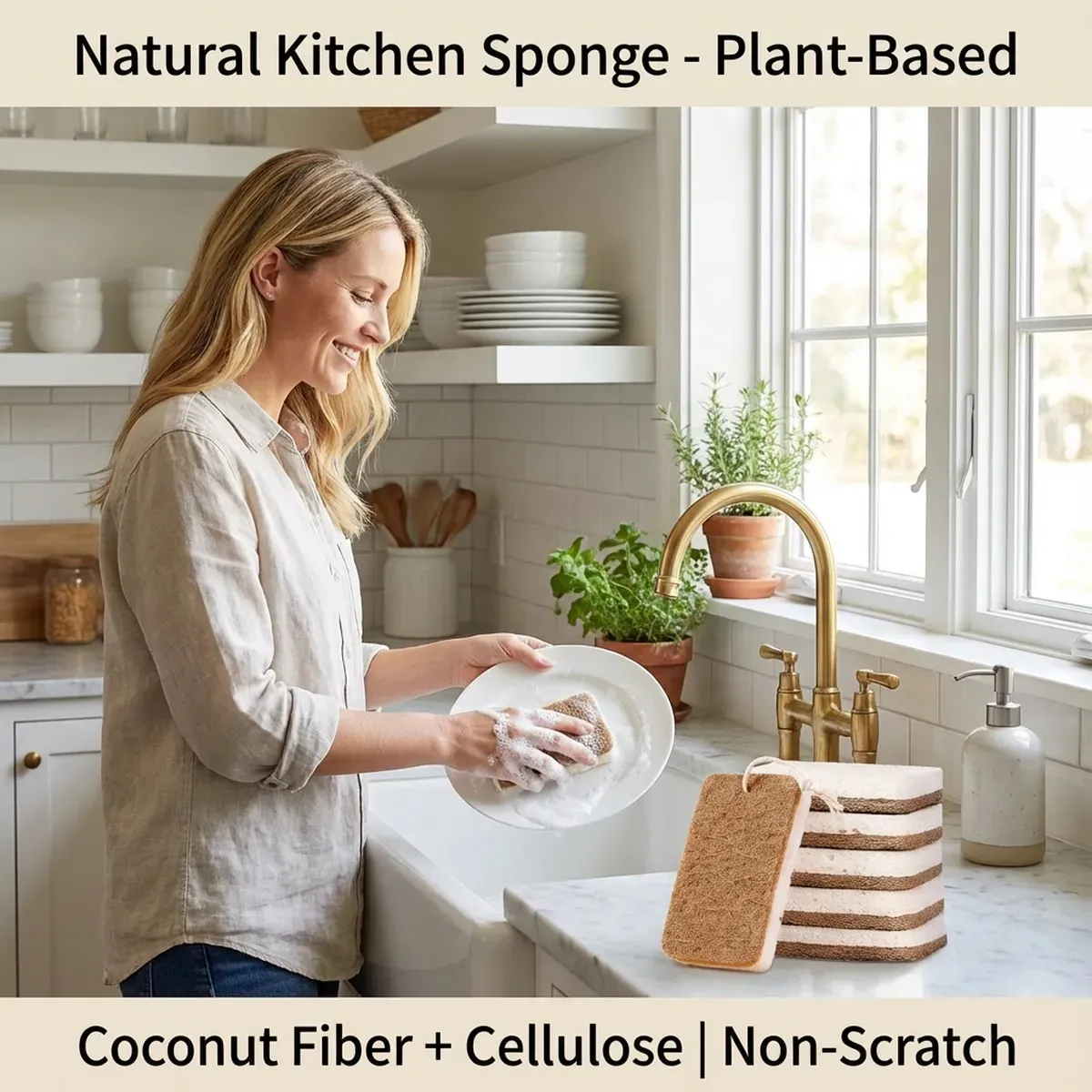
Coconut fiber sponges are turning into a go-to option for those tuned into the environment who like natural stuff and long-lasting toughness.
Characteristics of Coconut Fiber Sponges
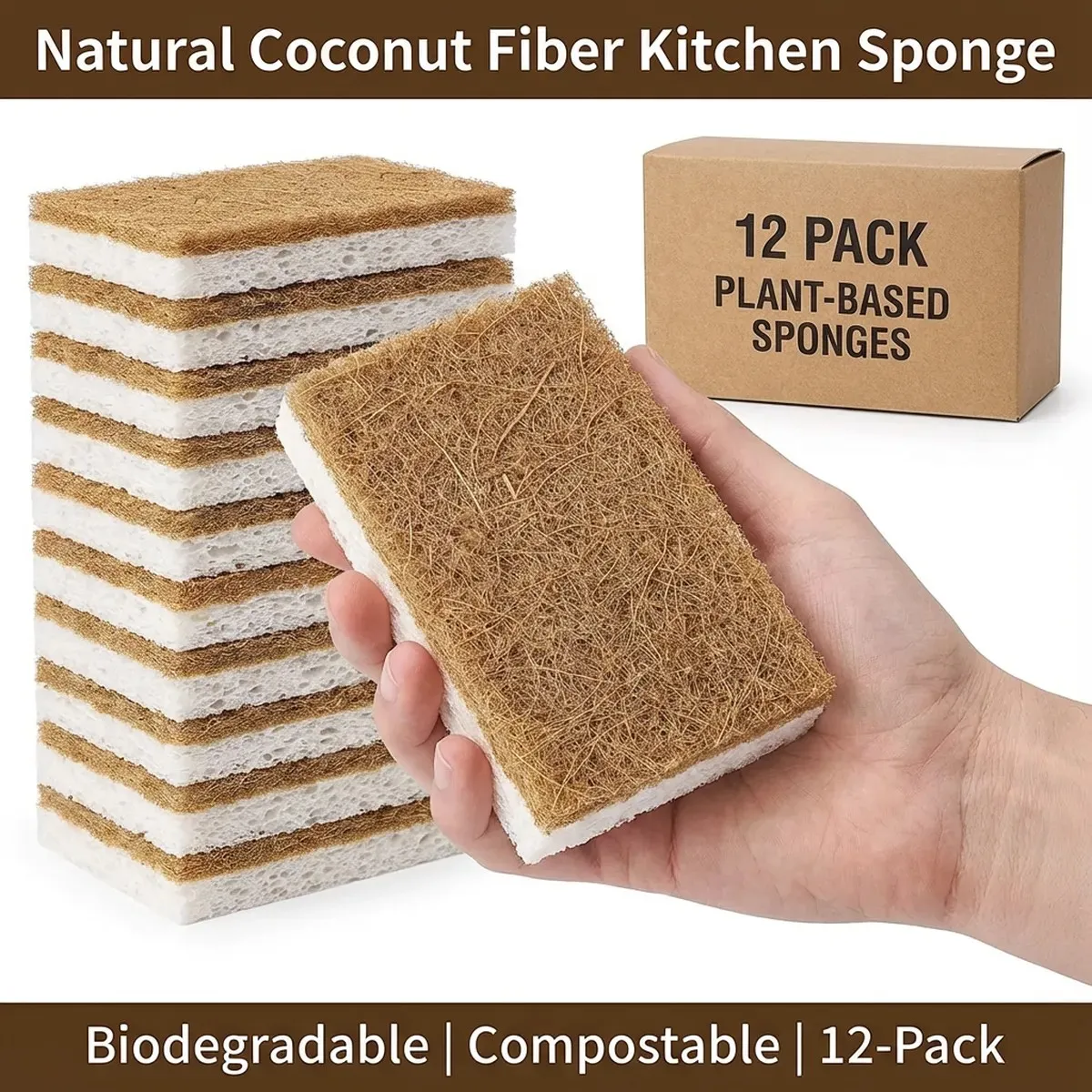
This two-sided kitchen sponge, built completely from plant stuff, aims for eco sustainability along with good cleaning results, which makes it a good pick for home kitchens, RV adventures, and other spots needing steady scrubbing. Because the fibers come from coconut shells, they break down in a natural way and help with composting, and they give strong scrubbing strength that wipes out tough spots well while keeping an earth-friendly vibe.
Benefits of Using Coconut Fiber Sponges for Dishes
Coconut fiber sponges handle pots and pans softly but pack enough power to deal with grease and gunk, since the fiber scrub part cuts through sticky grease while the super-absorbent cellulose foam keeps water in place nicely. They fight off bad smells with fast-drying traits that block mold buildup, and when you take care of them right—by rinsing after each go and letting air move around—they hold up way longer than standard plastic ones.
FoamTech's Coconut Fiber Kitchen Sponge
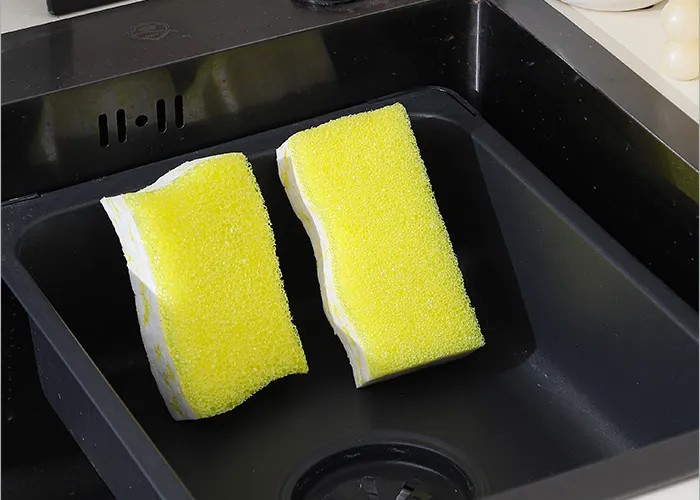
The Coconut Fiber Kitchen Sponge blends coconut fiber and cellulose to boost its daily usefulness, since both parts break down fully when done and leave no plastic trash behind. It has an easy-to-grip S-shaped shape that keeps a steady hold during long wash sessions, and wrapped in reusable cardboard, it shows a zero-waste attitude that matches habits built on lasting planet health.
Exploring Wood Pulp Sponges
Wood pulp sponges keep winning praise for how well they take in liquids and their flexibility in all sorts of home chores.
Characteristics of Wood Pulp Sponges
This all-around kitchen sponge with three layers mixes soft washing, strong spot removal, and solid liquid holding, and since it's made from natural cellulose from wood pulp, these sponges show great soak-up skills while being easy on surfaces. They break down in a bio way and have no bad chemicals, which sets them up as safe picks for people and the world around them.
Advantages of Wood Pulp Sponges in Dishwashing
Wood pulp sponges do a great job on delicate things like glass pieces or clay plates, because they clean without scratches, and their open-cell setup grabs water smartly, which cuts down on soap needed during washing. Plus, their quick-dry habit checks germ spread and keeps hygiene solid in your cooking spot.
FoamTech's 3-Layer Multi-Purpose Cleaning Sponge
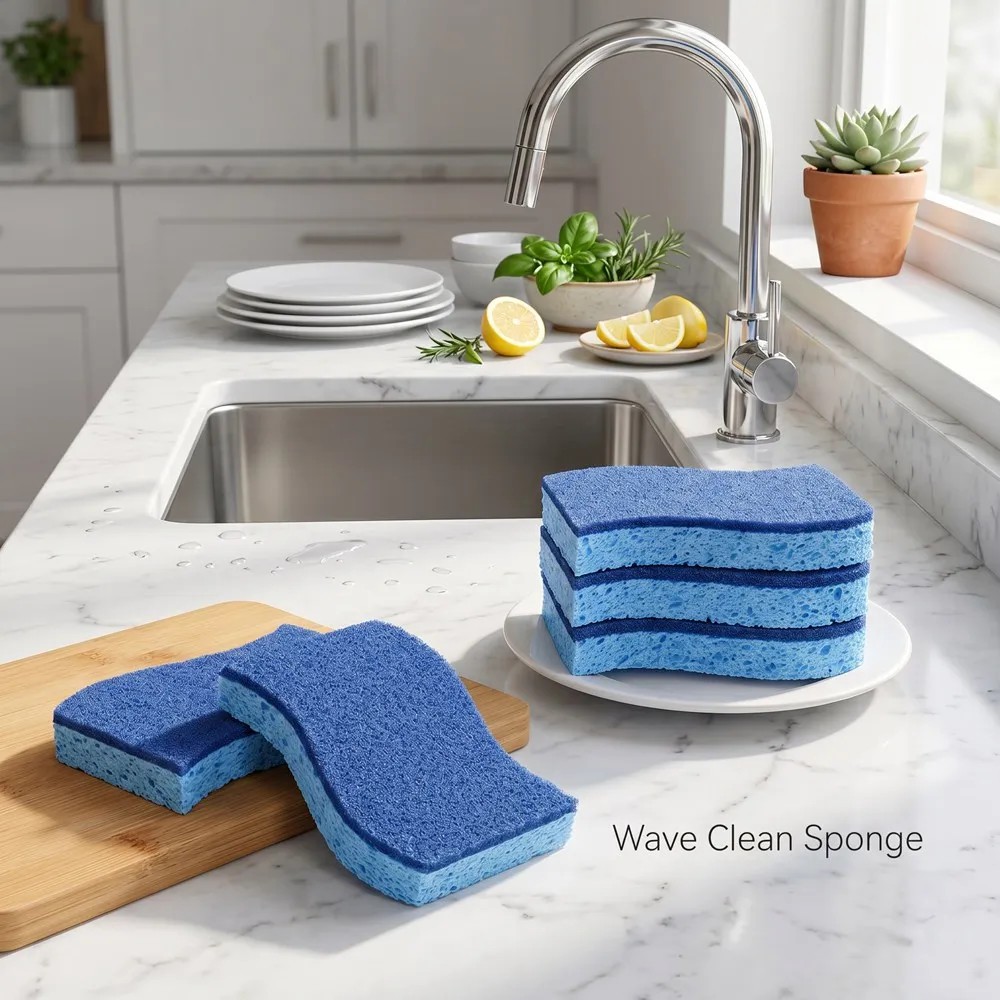
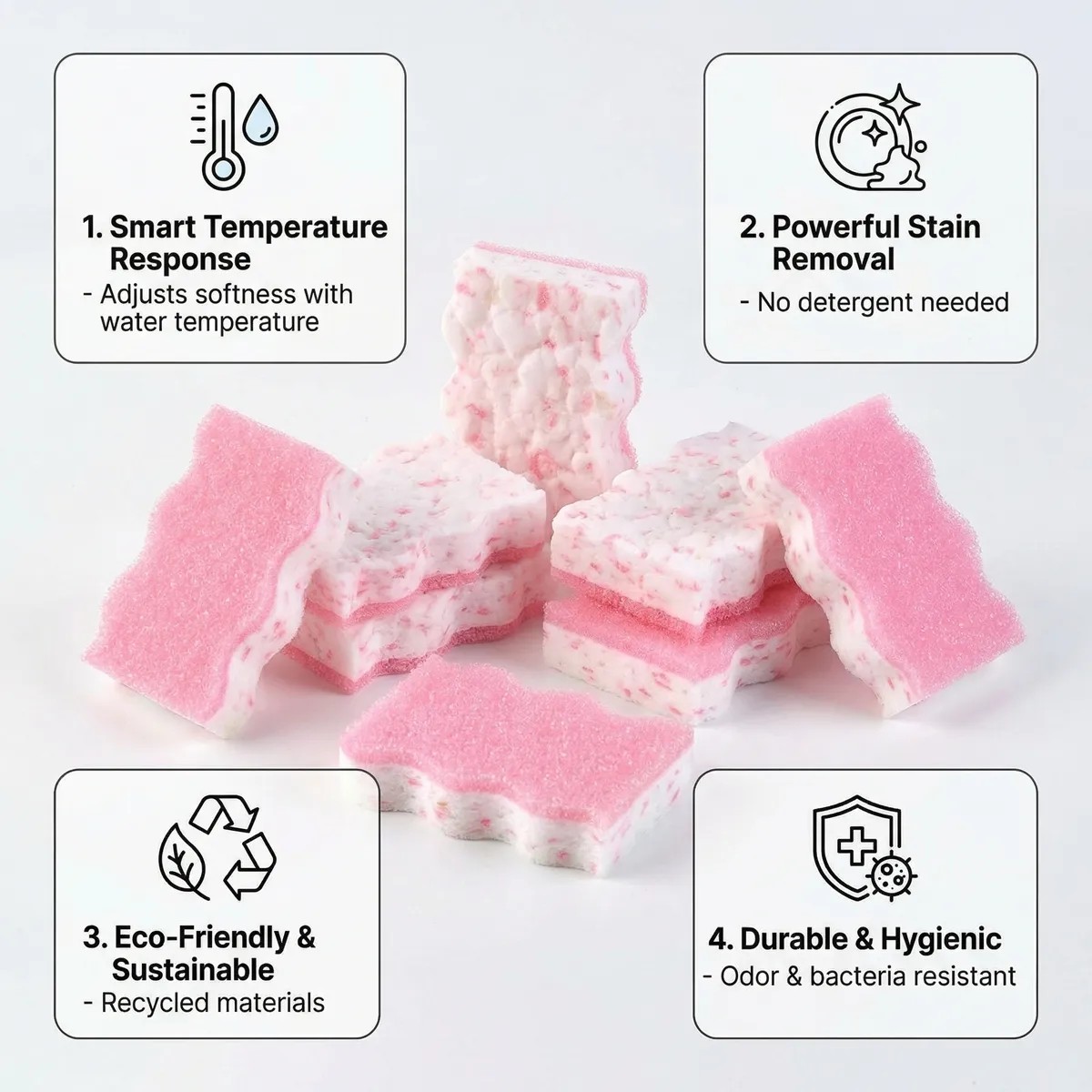
The 3-Layer Multi-Purpose Cleaning Sponge features smart build to fine-tune everyday cleaning jobs, with the top layer of natural pulp giving softness, no-scratch cleaning, and fit for coated tools; the middle layer of high-elastic sponge bringing top absorption; and the bottom layer of scouring pad using rough feel to push through grease without hurting surfaces. Its ultrasonic bonding way makes sure it stays tough through many uses, and the item's green makeup helps cut waste by swapping out lots of throwaway tools.
Comparing Performance: Coconut Fiber vs. Wood Pulp Sponges
When checking out coconut fiber and wood pulp sponges, both give good results but fit different tastes based on needs for staying power and green aims.
Durability and Longevity in Kitchen Use
Coconut fiber sponges hold their shape even with hard rubbing thanks to their stringy makeup, while ultrasonic bonding in layered wood pulp designs keeps things stuck after over 1000 rub cycles. In terms of cost savings, both cuts down on how often you swap them out compared to fake versions.
Environmental Impact Considerations
Both materials fade away naturally without dumping bad leftovers into nature, since the all-plant base of coconut fiber sponges blends right in with low-trash living styles. In the same way, it uses a three-layer mix (top layer: natural pulp layer + middle layer: high-elastic sponge layer + bottom layer: scouring pad layer), built from stuff that backs planet health and ongoing use without nasty add-ins, which makes wood pulp sponges just as helpful for homes set on shrinking dump site adds.
Making the Right Choice for Your Kitchen Needs
Picking between these kinds depends on your exact wash routines and pledge to planet care.
Factors to Consider When Choosing a Sponge
If you deal with greasy tools often or want better rub strength, coconut fiber could match your setup best, while for breakable dishes or steady daily jobs needing softness and water pull, wood pulp gives better outcomes. Your like for surface touch matters too, since coconut fibers give a rougher feel while wood pulp brings a smoother touch to things.
Recommendations from FoamTech Products
FoamTech's range gives well-rounded picks that cover different home needs—from tough coconut fiber mixes right for heavy cleaning to layered cellulose setups tuned for regular wash work. Each piece stresses break-down in nature and reuse as core ideas in their push for workable living.
How to Reach Out to FoamTech
To check out more green fixes for kitchen work or ask for custom label help, head to FoamTech. Their skilled team gives OEM/ODM help with quick answer times through email at info@dr-wow-cleaning.com or phone info shown on their contact area.
FAQ
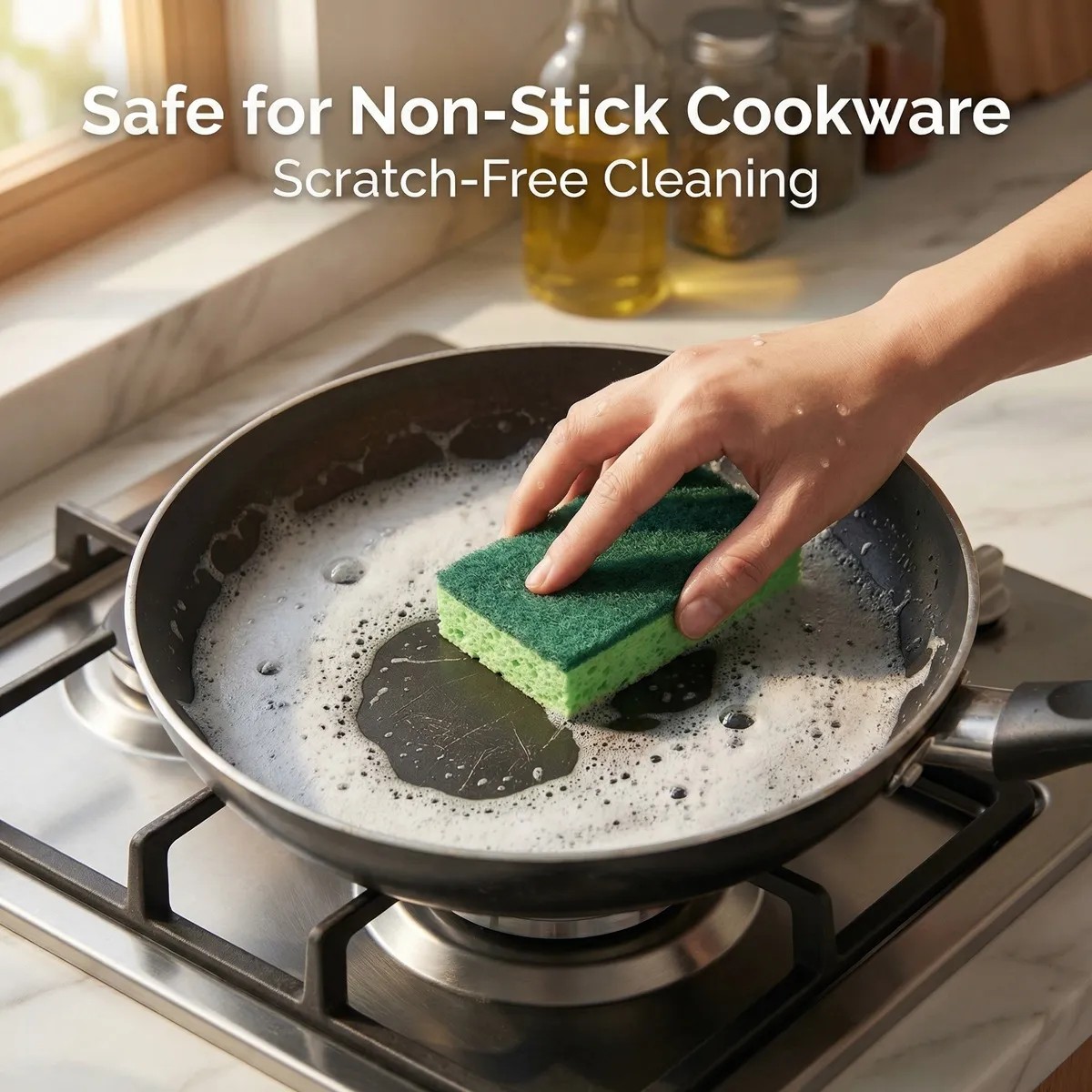
Q1: Are coconut fiber sponges safe for non-stick pans?
A: Yes, they build in no-scratch parts on purpose and fit non-stick tools when used lightly after adding water.
Q2: How long does a wood pulp sponge typically last?
A: With good rinsing and air time after each use, it handles lots of wash rounds before swap-out time.
Q3: Can these eco-friendly sponges be composted at home?
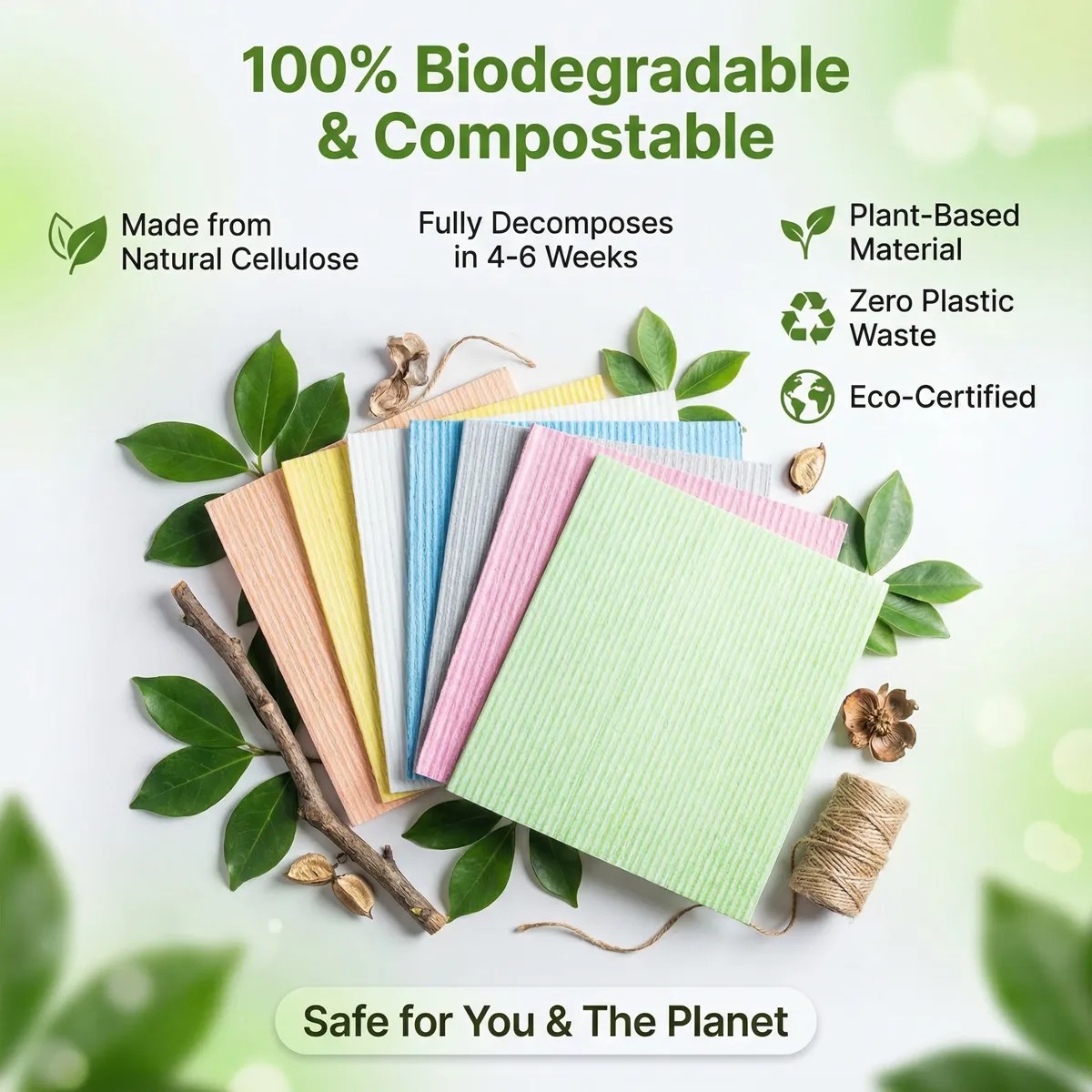
A: Both kinds break down fully in compost thanks to no fake add-ons or plastics.
Q4: Do natural sponges retain odors over time?
A: Traits for quick drying stop smell build-up by keeping water low that feeds germ growth.
Q5: Where can I purchase these sustainable sponges?
A: Full item info and buy options sit right on FoamTech's main site in their list spots.
Choosing the right dish sponge can make a big difference in your daily cleaning routine, and since many folks are now going for eco-friendly ways of living, natural choices like coconut fiber and wood pulp sponges are getting more popular because they deliver solid green cleaning without cutting corners on performance. This piece looks at their traits, perks, and advice on selecting the best fit for your kitchen setup.
For people looking for reliable and earth-friendly cleaning tools, FoamTech stands out as a major player in the field, since it leads in creating new foam items in China and focuses on making cleaning sponges with cutting-edge German production methods. With over ten years of real-world know-how and several patents on foaming tech for cleaning stuff, the company offers top-notch products fitted to various needs.
Understanding Coconut Fiber Sponges
Coconut fiber sponges are turning into a go-to option for those tuned into the environment who like natural stuff and long-lasting toughness.
Characteristics of Coconut Fiber Sponges
This two-sided kitchen sponge, built completely from plant stuff, aims for eco sustainability along with good cleaning results, which makes it a good pick for home kitchens, RV adventures, and other spots needing steady scrubbing. Because the fibers come from coconut shells, they break down in a natural way and help with composting, and they give strong scrubbing strength that wipes out tough spots well while keeping an earth-friendly vibe.
Benefits of Using Coconut Fiber Sponges for Dishes
Coconut fiber sponges handle pots and pans softly but pack enough power to deal with grease and gunk, since the fiber scrub part cuts through sticky grease while the super-absorbent cellulose foam keeps water in place nicely. They fight off bad smells with fast-drying traits that block mold buildup, and when you take care of them right—by rinsing after each go and letting air move around—they hold up way longer than standard plastic ones.
FoamTech's Coconut Fiber Kitchen Sponge
The Coconut Fiber Kitchen Sponge blends coconut fiber and cellulose to boost its daily usefulness, since both parts break down fully when done and leave no plastic trash behind. It has an easy-to-grip S-shaped shape that keeps a steady hold during long wash sessions, and wrapped in reusable cardboard, it shows a zero-waste attitude that matches habits built on lasting planet health.
Exploring Wood Pulp Sponges
Wood pulp sponges keep winning praise for how well they take in liquids and their flexibility in all sorts of home chores.
Characteristics of Wood Pulp Sponges
This all-around kitchen sponge with three layers mixes soft washing, strong spot removal, and solid liquid holding, and since it's made from natural cellulose from wood pulp, these sponges show great soak-up skills while being easy on surfaces. They break down in a bio way and have no bad chemicals, which sets them up as safe picks for people and the world around them.
Advantages of Wood Pulp Sponges in Dishwashing
Wood pulp sponges do a great job on delicate things like glass pieces or clay plates, because they clean without scratches, and their open-cell setup grabs water smartly, which cuts down on soap needed during washing. Plus, their quick-dry habit checks germ spread and keeps hygiene solid in your cooking spot.
FoamTech's 3-Layer Multi-Purpose Cleaning Sponge
The 3-Layer Multi-Purpose Cleaning Sponge features smart build to fine-tune everyday cleaning jobs, with the top layer of natural pulp giving softness, no-scratch cleaning, and fit for coated tools; the middle layer of high-elastic sponge bringing top absorption; and the bottom layer of scouring pad using rough feel to push through grease without hurting surfaces. Its ultrasonic bonding way makes sure it stays tough through many uses, and the item's green makeup helps cut waste by swapping out lots of throwaway tools.
Comparing Performance: Coconut Fiber vs. Wood Pulp Sponges
When checking out coconut fiber and wood pulp sponges, both give good results but fit different tastes based on needs for staying power and green aims.
Durability and Longevity in Kitchen Use
Coconut fiber sponges hold their shape even with hard rubbing thanks to their stringy makeup, while ultrasonic bonding in layered wood pulp designs keeps things stuck after over 1000 rub cycles. In terms of cost savings, both cuts down on how often you swap them out compared to fake versions.
Environmental Impact Considerations
Both materials fade away naturally without dumping bad leftovers into nature, since the all-plant base of coconut fiber sponges blends right in with low-trash living styles. In the same way, it uses a three-layer mix (top layer: natural pulp layer + middle layer: high-elastic sponge layer + bottom layer: scouring pad layer), built from stuff that backs planet health and ongoing use without nasty add-ins, which makes wood pulp sponges just as helpful for homes set on shrinking dump site adds.
Making the Right Choice for Your Kitchen Needs
Picking between these kinds depends on your exact wash routines and pledge to planet care.
Factors to Consider When Choosing a Sponge
If you deal with greasy tools often or want better rub strength, coconut fiber could match your setup best, while for breakable dishes or steady daily jobs needing softness and water pull, wood pulp gives better outcomes. Your like for surface touch matters too, since coconut fibers give a rougher feel while wood pulp brings a smoother touch to things.
Recommendations from FoamTech Products
FoamTech's range gives well-rounded picks that cover different home needs—from tough coconut fiber mixes right for heavy cleaning to layered cellulose setups tuned for regular wash work. Each piece stresses break-down in nature and reuse as core ideas in their push for workable living.
How to Reach Out to FoamTech
To check out more green fixes for kitchen work or ask for custom label help, head to FoamTech. Their skilled team gives OEM/ODM help with quick answer times through email at info@dr-wow-cleaning.com or phone info shown on their contact area.
FAQ
Q1: Are coconut fiber sponges safe for non-stick pans?
A: Yes, they build in no-scratch parts on purpose and fit non-stick tools when used lightly after adding water.
Q2: How long does a wood pulp sponge typically last?
A: With good rinsing and air time after each use, it handles lots of wash rounds before swap-out time.
Q3: Can these eco-friendly sponges be composted at home?
A: Both kinds break down fully in compost thanks to no fake add-ons or plastics.
Q4: Do natural sponges retain odors over time?
A: Traits for quick drying stop smell build-up by keeping water low that feeds germ growth.
Q5: Where can I purchase these sustainable sponges?
A: Full item info and buy options sit right on FoamTech's main site in their list spots.
Related Recommendations

Family owned company, globalleader in development andmanufacturing of home careproducts for private label andcontract manufacturing
Copyright © 2026 FoamTech (Zhejiang) New Materials Co., Ltd.