The Absolute Best Way to Clean Grimy Steering Wheels without Harsh Chemicals
2026-05-11
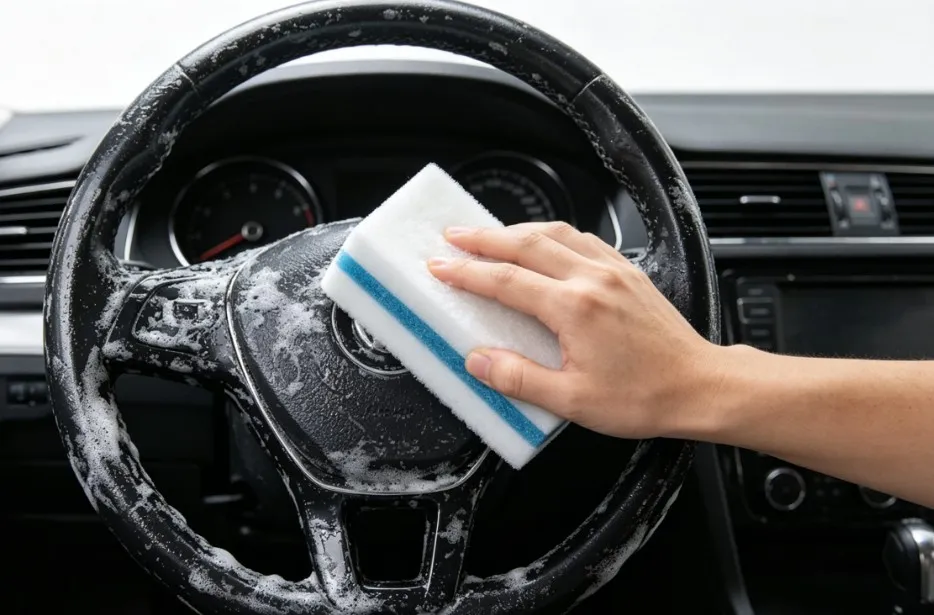
A tacky, glossy steering wheel goes beyond a mere sight problem. It forms a dense coating of perspiration, skin particles, and germs that stiffens as time passes. Many drivers attempt to wipe this buildup with sudsy water or strong sprays, yet these methods frequently leave the area feeling rougher. For a clean, new-like appearance, you require an approach based on physical principles instead of chemical processes.
Before exploring the detailed steps, you ought to learn about the supplier of these superior tools. FoamTech serves as a technical firm dedicated to creating and making top-quality melamine foam. Backed by years in the field and more than 100 patents, they run modern assembly lines that follow firm ISO9001 and BSCI rules. If you seek customized cleaning services or large orders, their skill in nano-materials guarantees each sponge offers expert-level outcomes. You can discover their story on the about us page or contact them right away for particular detailing requests.
Why Conventional Steering Wheel Cleaning Often Fails
The steering wheel ranks as the most handled part in any car, drawing varied biological and outside pollutants. Wiping it with a wet rag seldom tackles the core issue of the soil.
Accumulation of Body Oils and Bacteria
Hands from people release natural oils and sweat in a regular way. As driving continues over months, these oils blend with particles to form a "biofilm." This covering turns slick and shiny, signaling serious pollution instead of a pure state. Usual cleaners tend to glide across this tough film without truly removing it.
Risks of Using Toxic Liquid Cleaners
Numerous vehicle owners turn to general cleaners with strong solvents. Such substances might remove the built-in softeners from leather or vinyl steering wheels. When applied often, they cause early splits, color loss, or a lasting sticky texture that wiping cannot resolve.
Limitations of Microfiber Cloths Alone
Microfiber works well for light dusting, but its fibers often prove too broad to enter the texture of the steering wheel. Consequently, the soil remains caught in the small grooves of the surface. Even after intense rubbing, the wheel appears flat and feels unclean.
The Secret Power of Nano Technology in Automotive Detailing
Turning to melamine foam in detailing circles stems from real need, rooted in the distinct open-cell makeup of the substance. This method enables thorough pollutant removal without relying on liquid detergents.
Scientific Principles of Melamine Resin
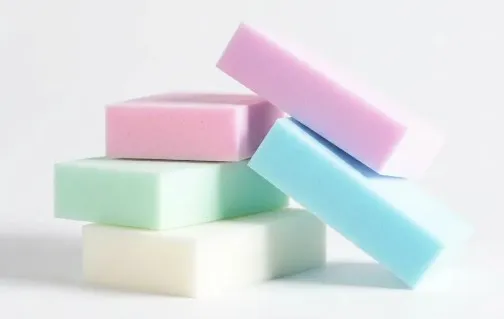
Melamine foam consists of a unique polymer that hardens like glass on a tiny scale during foaming. Technical details from the Melamine Sponge Cleaner Blocks show that these sponges include a three-dimensional web of firm threads. Such threads function similar to very small grit paper, pulling away the dirt effectively.
Physical Decontamination through Micro-Abrasive Action
Rather than employing chemicals to break down fats, the nano-sponge applies direct force. Its tiny threads enter the openings in the steering wheel and capture the soil inside the sponge's open-cell design. This mechanical action operates at a level finer than common scrubbers.
Water-Activated Cleaning without Chemical Residue
One key plus of this method lies in its use of just water. When dampened, the sponge lets water serve as a smooth guide and a way to carry the removed soil. With no soaps added, you avoid wheels that stay slippery and pull in more dust soon after the task.
Step by Step Guide to Restoring Your Steering Wheel
Bringing a steering wheel back requires care. Since melamine foam packs strength, focus on steady pressure and regular rinsing to stop soil from settling again.
Preparation with Water and Gentle Squeezing
Begin by soaking the sponge in fresh water. Squeezing out the extra liquid matters a great deal. You aim for a moist sponge without drips. If you soak it too much, water could leak into controls or wiring, creating a hazard to sidestep.
Proper Wiping Techniques for Leather and Plastic
Apply soft, round strokes. Avoid rubbing like you would on tile seams. The Multi-Purpose Magic Cleaning Sponge handles the main work. As you move along, the sponge shifts to gray or dark shades. This change indicates success, showing that the nano-channels effectively draw out the aged fats from the surface.
Post-Cleaning Care and Surface Drying
After removing the soil, the area gains a flat sheen. Such a look matches the first factory state. Pass a fresh, dry microfiber cloth over the wheel to clear any wetness or small sponge bits. For leather types, adding a special softener later helps maintain the material's flexibility.
Essential Tools for Professional Car Interior Restoration
Picking the correct thickness and form of your cleaning item decides the speed of completion and the effort you spare.
Melamine Sponge Cleaner Blocks for Deep Crevices
These blocks suit older vehicles with thick layers in seams or grip areas. Their build ensures lasting use. You can trim them to fit narrow spaces where the wheel joins the shaft.
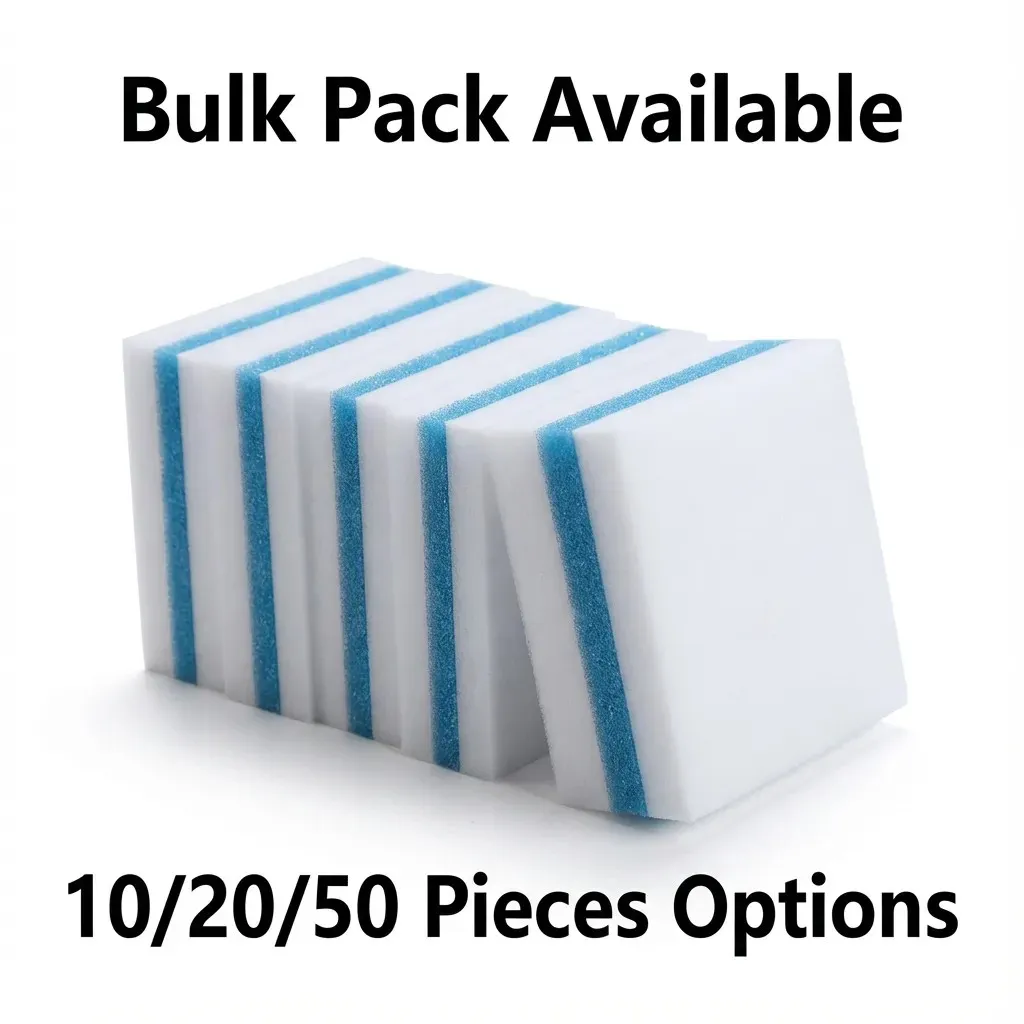
Multi-Purpose Magic Cleaning Sponge for Versatile Detailing
This type fits well for upkeep on several vehicles or various car sections. Its mix of bend and firmness suits panels and grips alongside the steering wheel. It keeps form during work on rough plastics.
Comparison of Cleaning Efficiency by Tool Type
The table below aids in choosing the right item for your car maintenance needs.
|
Product Type |
Main Material |
Best Use Case |
Durability |
|
Standard Block |
Pure Melamine |
Heavy Grime / Deep Grain |
Moderate |
|
Multi-Purpose Sponge |
Composite Nano-Foam |
Regular Maintenance |
High |
|
Compressed Nano Eraser |
High-Density Melamine |
Pro Detailing / Rims |
Very High |
|
Thin Sheets |
Flexible Melamine |
Buttons / Tight Gaps |
Single Use |
Key Advantages of Partnering with FoamTech
Teaming with a focused maker assures steady quality and fresh advances in foam methods.
Innovative Manufacturing Capabilities
Two plant areas span 200,000 square meters, supporting vast output. Bringing in German lines guarantees even pore sizes in the melamine foam, which proves vital for avoiding marks in cleaning.
Rigorous Quality Assurance Standards
The firm possesses various approvals, such as ISO 14001 and ISO 45001. Each foam lot faces checks to confirm the thickness remains in the expert 40-60kg/m³ range. This setup offers the right mix of cleaning strength and material protection.
Comprehensive Private Label Services
Businesses aiming to start their own car care range find the OEM and private label options highly useful. From tailored package designs to exact size adjustments, the options let brands build special products for the detailing field.
Global Distribution and Efficient Logistics
From 2014 onward, the reach has grown to more than 100 nations. Solid delivery paths ensure that local shops or big sellers get supplies on time to meet buyer needs.
FAQ
Q1: Will a magic sponge scratch my leather steering wheel?
A: When applied with soft pressure and ample water, it remains safe for most treated leathers. Yet, you should test a small hidden spot first, since hard rubbing might strip the outer layer of the leather.
Q2: How often should I clean my steering wheel with this method?
A: For regular drivers, a full clean every two to three months typically prevents oil buildup. Meanwhile, a basic pass with a moist microfiber cloth works for interim care.
Q3: Can I use the sponge on the steering wheel buttons?
A: Yes, provided the sponge stays just moist. You must prevent water from reaching the wiring behind the controls. The nano-foam excels at clearing the greasy shine from plastic buttons.
Q4: Why does the sponge crumble during use?
A: This occurs as part of the material's design. It functions as a "use-up" scrubber, similar to a pencil rubber. While removing soil, the threads snap off. If it breaks quickly, you may be pressing too firmly.
Q5: Do I need to use soap with the melamine sponge?
A: No, and experts advise against it. Detergents can disrupt the direct "capture" function of the nano-cells. Simple water serves as the best trigger for this approach.
A tacky, glossy steering wheel goes beyond a mere sight problem. It forms a dense coating of perspiration, skin particles, and germs that stiffens as time passes. Many drivers attempt to wipe this buildup with sudsy water or strong sprays, yet these methods frequently leave the area feeling rougher. For a clean, new-like appearance, you require an approach based on physical principles instead of chemical processes.
Before exploring the detailed steps, you ought to learn about the supplier of these superior tools. FoamTech serves as a technical firm dedicated to creating and making top-quality melamine foam. Backed by years in the field and more than 100 patents, they run modern assembly lines that follow firm ISO9001 and BSCI rules. If you seek customized cleaning services or large orders, their skill in nano-materials guarantees each sponge offers expert-level outcomes. You can discover their story on the about us page or contact them right away for particular detailing requests.
Why Conventional Steering Wheel Cleaning Often Fails
The steering wheel ranks as the most handled part in any car, drawing varied biological and outside pollutants. Wiping it with a wet rag seldom tackles the core issue of the soil.
Accumulation of Body Oils and Bacteria
Hands from people release natural oils and sweat in a regular way. As driving continues over months, these oils blend with particles to form a "biofilm." This covering turns slick and shiny, signaling serious pollution instead of a pure state. Usual cleaners tend to glide across this tough film without truly removing it.
Risks of Using Toxic Liquid Cleaners
Numerous vehicle owners turn to general cleaners with strong solvents. Such substances might remove the built-in softeners from leather or vinyl steering wheels. When applied often, they cause early splits, color loss, or a lasting sticky texture that wiping cannot resolve.
Limitations of Microfiber Cloths Alone
Microfiber works well for light dusting, but its fibers often prove too broad to enter the texture of the steering wheel. Consequently, the soil remains caught in the small grooves of the surface. Even after intense rubbing, the wheel appears flat and feels unclean.
The Secret Power of Nano Technology in Automotive Detailing
Turning to melamine foam in detailing circles stems from real need, rooted in the distinct open-cell makeup of the substance. This method enables thorough pollutant removal without relying on liquid detergents.
Scientific Principles of Melamine Resin
Melamine foam consists of a unique polymer that hardens like glass on a tiny scale during foaming. Technical details from the Melamine Sponge Cleaner Blocks show that these sponges include a three-dimensional web of firm threads. Such threads function similar to very small grit paper, pulling away the dirt effectively.
Physical Decontamination through Micro-Abrasive Action
Rather than employing chemicals to break down fats, the nano-sponge applies direct force. Its tiny threads enter the openings in the steering wheel and capture the soil inside the sponge's open-cell design. This mechanical action operates at a level finer than common scrubbers.
Water-Activated Cleaning without Chemical Residue
One key plus of this method lies in its use of just water. When dampened, the sponge lets water serve as a smooth guide and a way to carry the removed soil. With no soaps added, you avoid wheels that stay slippery and pull in more dust soon after the task.
Step by Step Guide to Restoring Your Steering Wheel
Bringing a steering wheel back requires care. Since melamine foam packs strength, focus on steady pressure and regular rinsing to stop soil from settling again.
Preparation with Water and Gentle Squeezing
Begin by soaking the sponge in fresh water. Squeezing out the extra liquid matters a great deal. You aim for a moist sponge without drips. If you soak it too much, water could leak into controls or wiring, creating a hazard to sidestep.
Proper Wiping Techniques for Leather and Plastic
Apply soft, round strokes. Avoid rubbing like you would on tile seams. The Multi-Purpose Magic Cleaning Sponge handles the main work. As you move along, the sponge shifts to gray or dark shades. This change indicates success, showing that the nano-channels effectively draw out the aged fats from the surface.
Post-Cleaning Care and Surface Drying
After removing the soil, the area gains a flat sheen. Such a look matches the first factory state. Pass a fresh, dry microfiber cloth over the wheel to clear any wetness or small sponge bits. For leather types, adding a special softener later helps maintain the material's flexibility.
Essential Tools for Professional Car Interior Restoration
Picking the correct thickness and form of your cleaning item decides the speed of completion and the effort you spare.
Melamine Sponge Cleaner Blocks for Deep Crevices
These blocks suit older vehicles with thick layers in seams or grip areas. Their build ensures lasting use. You can trim them to fit narrow spaces where the wheel joins the shaft.
Multi-Purpose Magic Cleaning Sponge for Versatile Detailing
This type fits well for upkeep on several vehicles or various car sections. Its mix of bend and firmness suits panels and grips alongside the steering wheel. It keeps form during work on rough plastics.
Comparison of Cleaning Efficiency by Tool Type
The table below aids in choosing the right item for your car maintenance needs.
|
Product Type |
Main Material |
Best Use Case |
Durability |
|
Standard Block |
Pure Melamine |
Heavy Grime / Deep Grain |
Moderate |
|
Multi-Purpose Sponge |
Composite Nano-Foam |
Regular Maintenance |
High |
|
Compressed Nano Eraser |
High-Density Melamine |
Pro Detailing / Rims |
Very High |
|
Thin Sheets |
Flexible Melamine |
Buttons / Tight Gaps |
Single Use |
Key Advantages of Partnering with FoamTech
Teaming with a focused maker assures steady quality and fresh advances in foam methods.
Innovative Manufacturing Capabilities
Two plant areas span 200,000 square meters, supporting vast output. Bringing in German lines guarantees even pore sizes in the melamine foam, which proves vital for avoiding marks in cleaning.
Rigorous Quality Assurance Standards
The firm possesses various approvals, such as ISO 14001 and ISO 45001. Each foam lot faces checks to confirm the thickness remains in the expert 40-60kg/m³ range. This setup offers the right mix of cleaning strength and material protection.
Comprehensive Private Label Services
Businesses aiming to start their own car care range find the OEM and private label options highly useful. From tailored package designs to exact size adjustments, the options let brands build special products for the detailing field.
Global Distribution and Efficient Logistics
From 2014 onward, the reach has grown to more than 100 nations. Solid delivery paths ensure that local shops or big sellers get supplies on time to meet buyer needs.
FAQ
Q1: Will a magic sponge scratch my leather steering wheel?
A: When applied with soft pressure and ample water, it remains safe for most treated leathers. Yet, you should test a small hidden spot first, since hard rubbing might strip the outer layer of the leather.
Q2: How often should I clean my steering wheel with this method?
A: For regular drivers, a full clean every two to three months typically prevents oil buildup. Meanwhile, a basic pass with a moist microfiber cloth works for interim care.
Q3: Can I use the sponge on the steering wheel buttons?
A: Yes, provided the sponge stays just moist. You must prevent water from reaching the wiring behind the controls. The nano-foam excels at clearing the greasy shine from plastic buttons.
Q4: Why does the sponge crumble during use?
A: This occurs as part of the material's design. It functions as a "use-up" scrubber, similar to a pencil rubber. While removing soil, the threads snap off. If it breaks quickly, you may be pressing too firmly.
Q5: Do I need to use soap with the melamine sponge?
A: No, and experts advise against it. Detergents can disrupt the direct "capture" function of the nano-cells. Simple water serves as the best trigger for this approach.
Related Recommendations


Family owned company, globalleader in development andmanufacturing of home careproducts for private label andcontract manufacturing
Copyright © 2026 FoamTech (Zhejiang) New Materials Co., Ltd.