What Makes a Magic Eraser Truly Sustainable for a Zero-Waste Lifestyle
2026-05-28
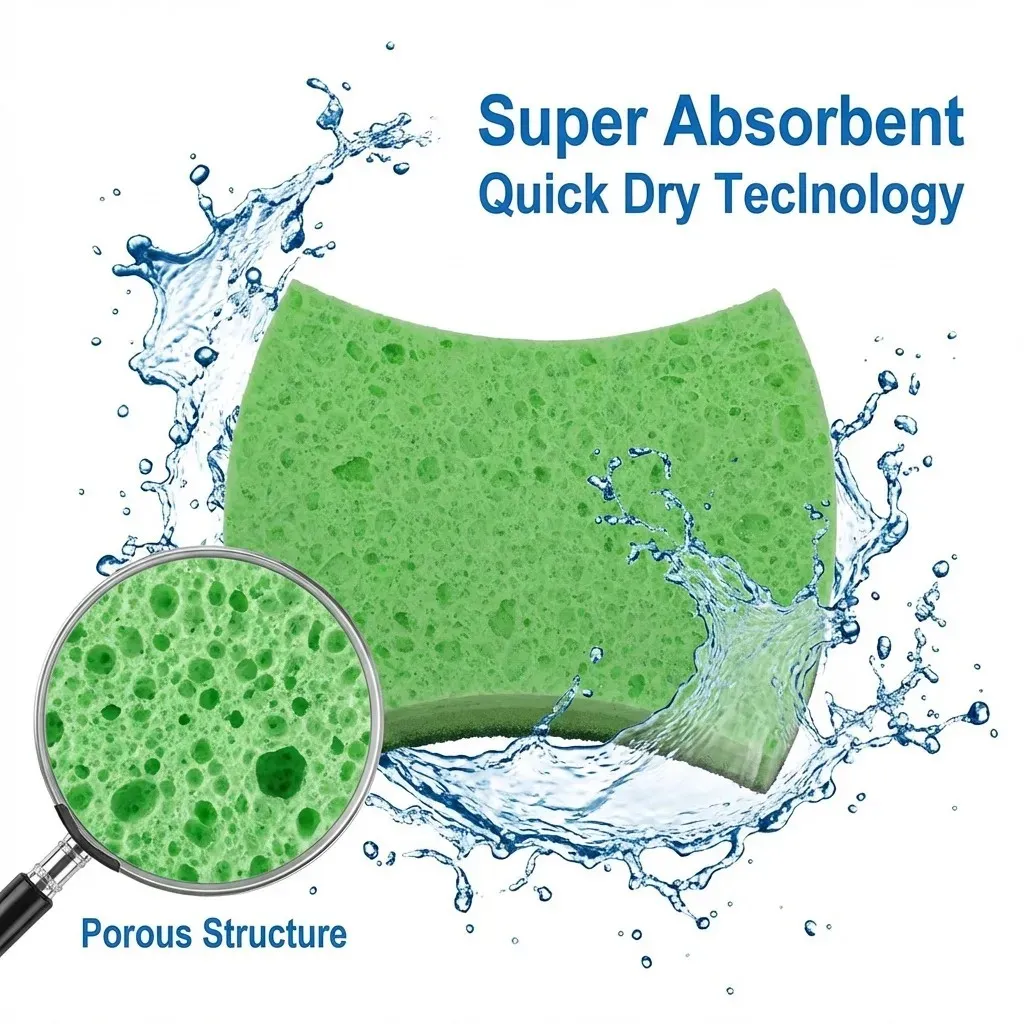
Adopting a zero-waste way of life can seem like an ongoing fight between green values and real cleaning strength. You aim for a bright home without depending on shelves of plastic-bottled cleaners. However, many so-called eco options lack the power for everyday dirt. This is where current material knowledge comes into play. It moves from throw-away, chemical-filled wipes to basic cleaning methods. Thus, you reach a pro-level shine using just water. From my time in this area, I have watched FoamTech change this field. They go beyond a basic provider. As a National Green Factory and advanced firm focused on melamine foam, they stand out. Their About Us page and targeted Services show how they end old market controls. They offer lasting, strong cleaning items that hold up. If you wish to drop harmful substances, you can Contact Us for a custom fit.
Why Should You Transition to Chemical-Free Cleaning with Melamine Foam?
The usual cleaning sector depends much on soaps and cleaners that flow into our water paths. When you pick a melamine foam eraser, you choose a basic rub instead of a chemical action. This change alters your green impact. It cuts the use of one-time plastic spray bottles and fake scents that harm indoor air often.
Physical Cleaning Mechanism without Solvents
Melamine foam acts like very fine rough paper. Its open-cell setup includes hard, glass-like threads as slim as hair yet very tough. You wet the sponge, and these threads enter tiny surface lines. They pull out dirt that a cloth would only spread. Soap stays unneeded because the foam handles the main work.
Reduction of Plastic Bottled Liquid Waste
Each time you grab a magic eraser, you may keep a plastic bottle from waste sites. These sponges work with water alone. So, the pattern of buying, applying, and discarding liquid cleaner packs ends. This simple step clears your sink area. It also fits a basic, zero-waste view.
Minimized Water Consumption for Deep Scouring
Standard mopping or rubbing needs many rinses to clear soapy remains. Melamine foam serves as a low-water item. You soak the sponge and press out extra liquid. With no chemical layer left, your task time drops by half. Plus, you save a good deal of water along the way.
How Does FoamTech Redefine Sustainability in Magic Eraser Manufacturing?
Green living covers not only product use but also its making. A real eco tool comes from a site that honors green rules and worker health. As a National Green Factory, their build process cuts waste. It also boosts each sponge's length. Thus, "throw-away" avoids meaning "quick junk."
High-Density Material for Extended Lifespan
Basic sponges break after one hard job. High-density types, often at 12kg/m³ or more, give stronger pull resistance. These packed foams aim for lasting build. They handle more rub and allow rinse and reuse several times. This fits any zero-waste home need.
Non-Toxic Raw Material Sourcing Protocols
The base melamine resin in these foams must hit firm quality marks. Top makers pass tough checks, such as ISO9001 and green system approvals. This keeps the material you add to your kitchen or bath free of bad extras. Such extras appear in cheap, unchecked cleaning goods often.
Significant Carbon Footprint Reduction in Production
Mature local build steps lower the need for far-off global raw material sends. A main, high-rule site aids better power control in foam and cut phases. As a result, the full sponge life gains a solid green base.
Is the New Green Wood Pulp Sponge the Ultimate Eco-Friendly Scrubber?
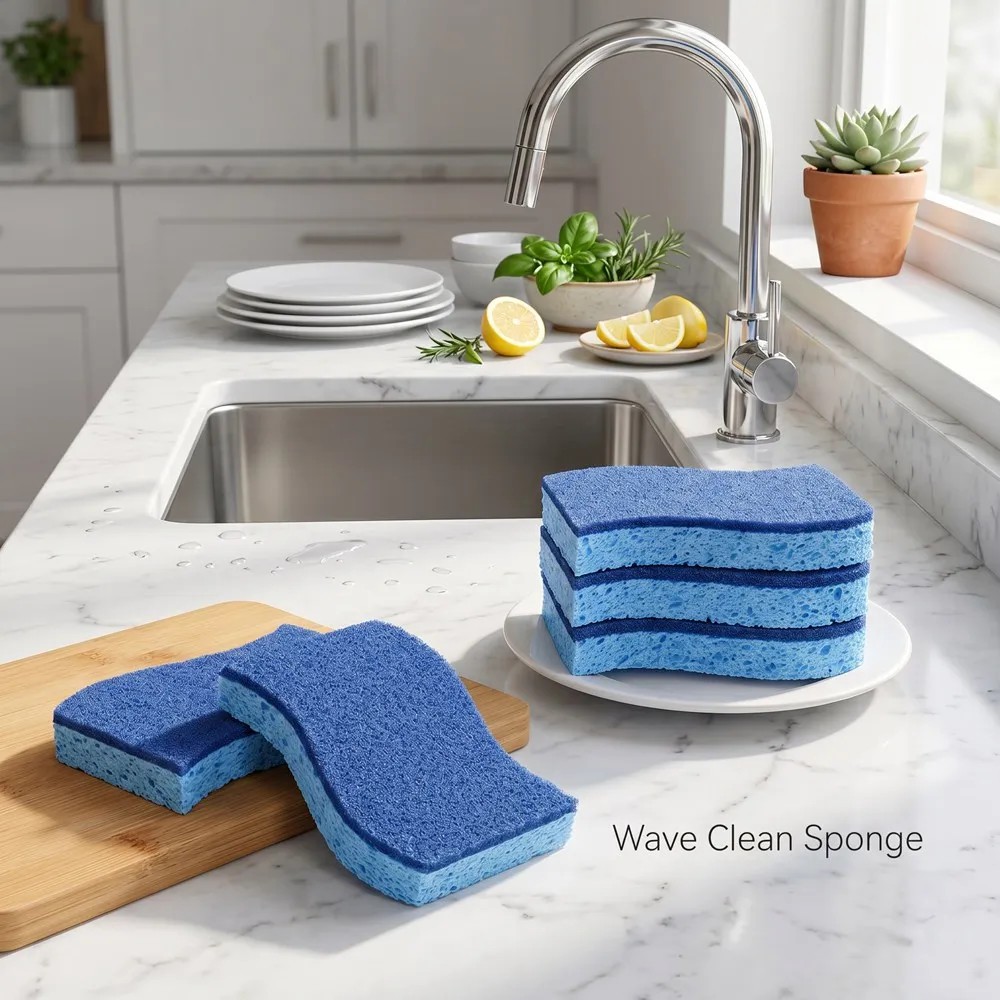
For users seeking a full natural pick, the New Green Wood Pulp Sponge shines as a top option. It links old cleaning ways with current green views. Many fail to see that common yellow-and-green sponges use oil-based plastics. These shed tiny plastics each wash of dishes.
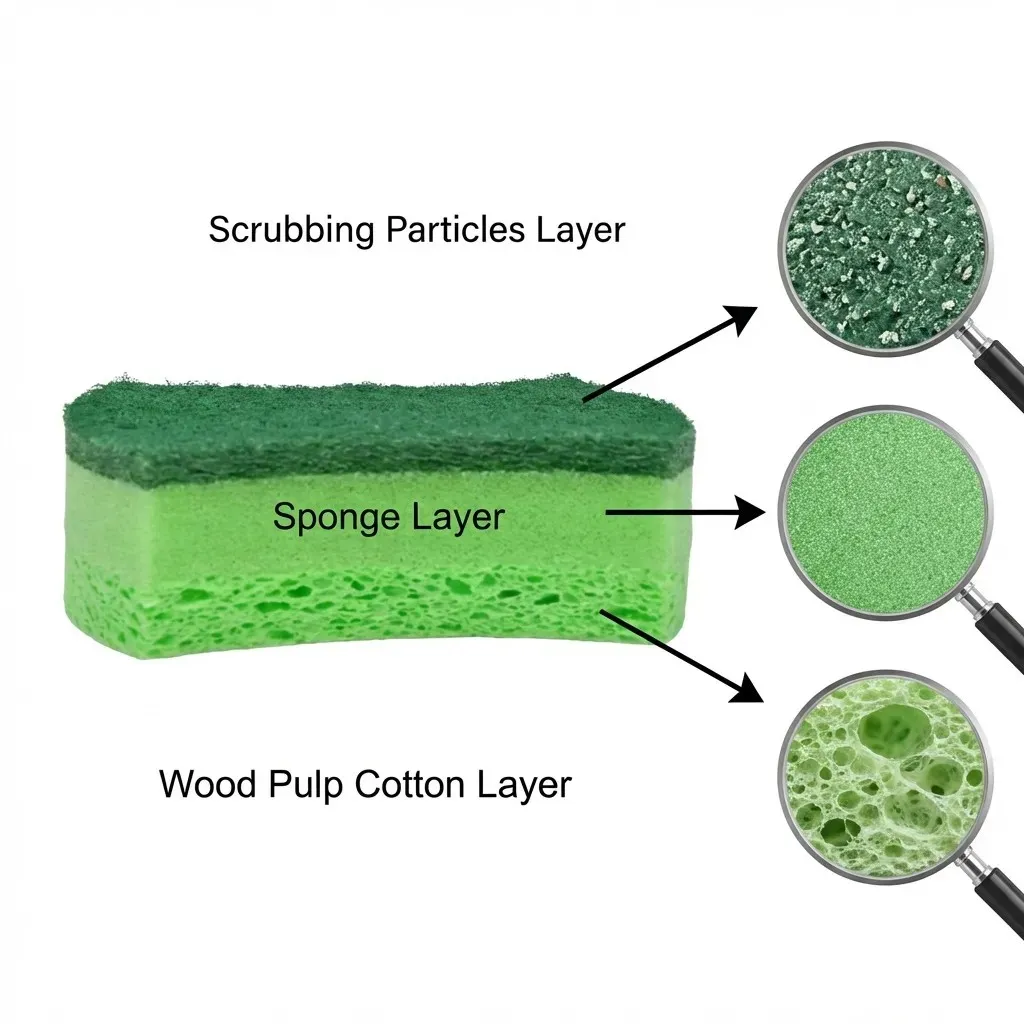
100% Biodegradable Cellulose Base
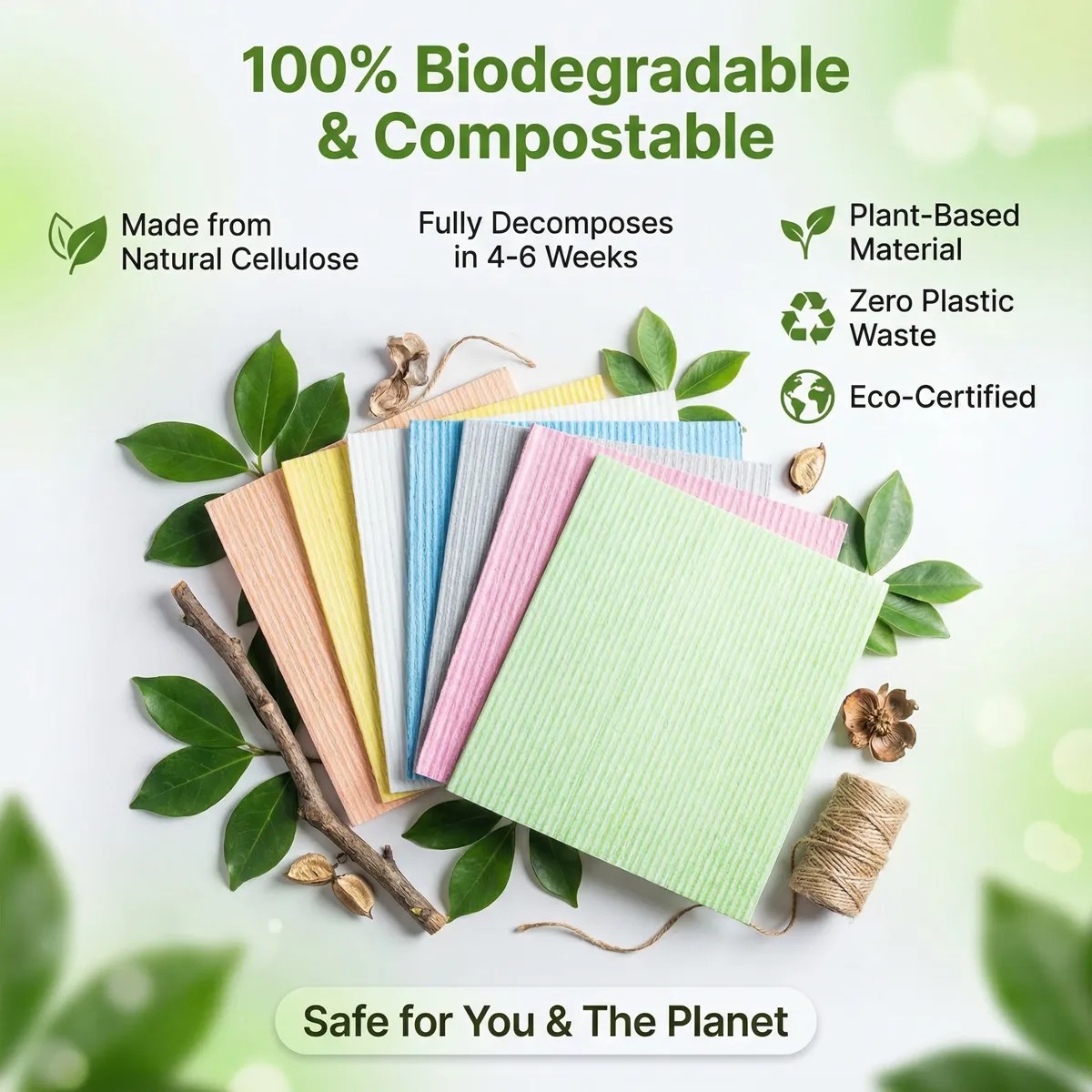
This sponge uses plant cellulose, so it composts fully at end life. It skips long landfill stays. Instead, it goes back to soil. This matches a loop economy plan. Wet, it feels soft but handles kitchen work well.
Dual-Action Scouring Power for Tough Grime
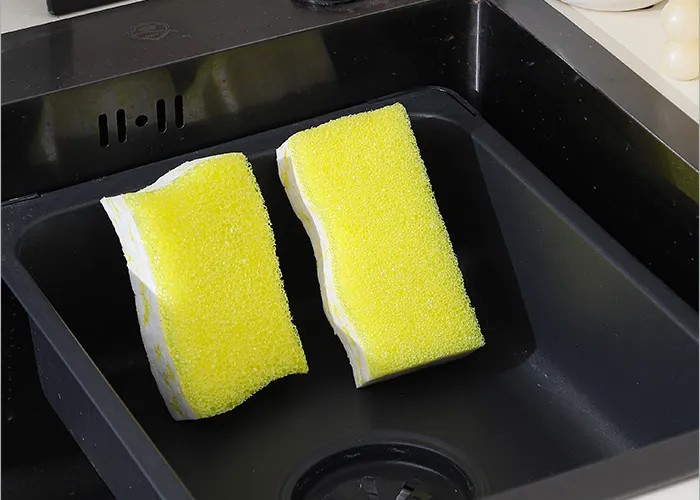
These sponges show a layered form often. It pairs soft wood pulp with a harder rub side. You wipe fine glass items, then turn it for stuck marks on metal pots. No need for two tools exists.
Quick-Drying Feature to Prevent Mold Growth
A main problem with usual sponges is damp stay, which breeds germs. Wood pulp breathes better by nature. It dries much quicker than fake foam. This keeps a fresh smell longer. It also stretches use time before swap.
Why Is Mini Cube Melamine Foam the Precision Tool for Model Players?
Green living includes using just enough without extra loss. For hobby users, model makers, or artists, a big sponge wastes often. The Mini Cube Melamine Foam gives a cut-to-fit answer. It meets fine work needs without trimming large pieces.
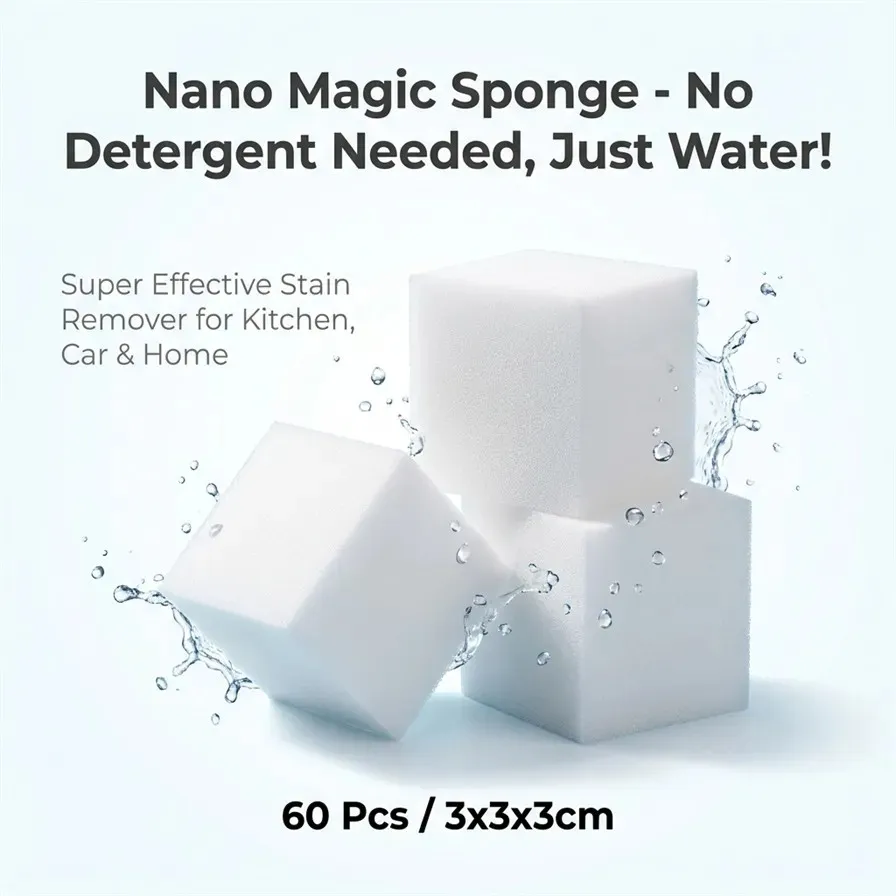
Specialized Size for Intricate Restoration Tasks
When fixing action figures or fine pots, control matters. These small cubes reach tight spots, like cut details on a vase or model links. They clear extra colors or rubs without touching nearby parts.
Gentle Abrasive Quality for Fine Polishing
Model makers use melamine foam to dull shiny plastic or mix paint lines. Its small rub trait suits this task. It takes off just enough layer to fix errors or add real feel. Yet it stays mild to avoid deep cuts in plastic.
High-Performance Stain Removal on Delicate Plastic
These cubes clear dull remains from raw ware or clean used items. They remove dirt that would call for strong chemicals. Wet a cube edge, rub the mark, and see the clean face return.
How to Maximize the Durability of Your Sustainable Cleaning Tools?
A zero-waste life fails if you discard tools often. How you treat your sponges decides one task or many. Pros rely on the rinse and reuse loop.
Proper Rinsing and Air-Drying Techniques
After cleaning, rinse the sponge well under flow water to clear caught dirt bits. Skip twisting squeezes, as they rip fine threads. Press it softly between hands instead.
Strategic Cutting for Small Surface Cleaning
Without a ready mini cube, cut a big block into four or more even parts with scissors. Hobby users find this tip useful. A small part for minor dirt avoids full sponge dirt. This raises its life four times.
Performance Comparison across Different Surfaces
Picking the right tool for each spot avoids extra wear. For example, melamine foam shreds fast on rough, sharp areas. Knowing matches helps keep tools last.
|
Surface Type |
Recommended Tool |
Benefit |
|
Stainless Steel Sinks |
Wood Pulp Sponge |
Removes limescale without scratching the finish. |
|
Plastic Models |
Mini Cube Melamine |
Precision cleaning for intricate process marks. |
|
Leather Sofas |
Compressed Melamine |
High tensile strength for deep leather cleaning. |
|
Non-stick Pans |
Wood Pulp Sponge |
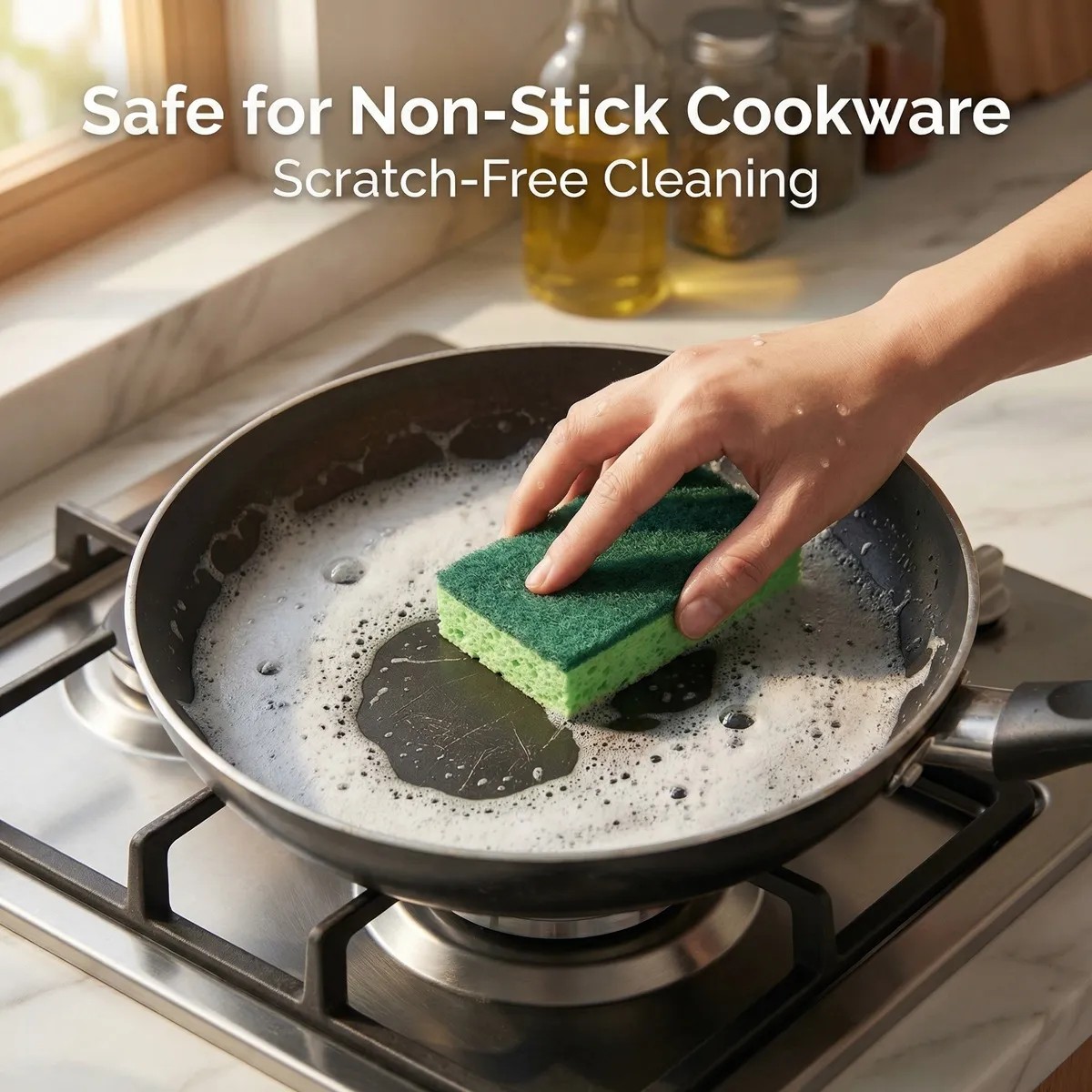
Gentle enough to preserve the coating while removing grease. |
Why Should Global Procurement Managers Choose FoamTech as Their Partner?
In business-to-business settings, steady supply and approvals set top providers apart. For a new materials partner, select a firm past early stages. It should offer factory-level, firm output.
Professional OEM and ODM Customization Services
Each area holds unique wants, from set weights to special forms. A full OEM/ODM helper lets you adjust the item. Think of an S-shape packed sponge or two-use rub pad for your buyers.
Comprehensive Industrial Supply Chain Integration
With 40,000 square meters of build area near key transport points, big sends get easier. This setup keeps quality steady from foam to pack in every lot.
Strict International Quality Inspection Standards
A solid maker shows quality via social checks and site views like BSCI. They match safety rules for uses from home sets to fast train insides.
Eco-Friendly Innovation and Technical R&D Leadership
A group of doctors and grad students drives new ideas. They hold many patents in nano-materials. This R&D work makes today's buys lead in material knowledge. Items gain more strength and green traits than past ones. For details on adding these to your range, Contact Us now.
FAQ
Q1: Is melamine foam safe for all surfaces in my home?
A: Not quite. Because it works through micro-abrasion, you should avoid using it on high-gloss finishes, polished stone, or the body of a car, as it can dull the shine. Always test a small, hidden area first.
Q2: How do I know when it's time to throw away the sponge?
A: When your sponge starts to break into small pieces or becomes significantly thinner, it’s lost its structural integrity. At that point, grab a new section.
Q3: Can I use these sponges with soap if I really want to?
A: You can, but it's usually unnecessary. Soap can actually fill the open pores of the foam, making it less effective at its primary job of "erasing" the stain physically.
Q4: Are these products safe for use around pets and children?
A: Yes, since they clean with only water, you aren't leaving any toxic chemical residue on the floor or toys. Just make sure to store them out of reach, as they are not meant to be ingested.
Q5: Why does the sponge disappear as I use it?
A: Think of it like a pencil eraser. As the micro-filaments scrub away the dirt, they also wear down and break off. This is a normal part of the physical cleaning process.
Adopting a zero-waste way of life can seem like an ongoing fight between green values and real cleaning strength. You aim for a bright home without depending on shelves of plastic-bottled cleaners. However, many so-called eco options lack the power for everyday dirt. This is where current material knowledge comes into play. It moves from throw-away, chemical-filled wipes to basic cleaning methods. Thus, you reach a pro-level shine using just water. From my time in this area, I have watched FoamTech change this field. They go beyond a basic provider. As a National Green Factory and advanced firm focused on melamine foam, they stand out. Their About Us page and targeted Services show how they end old market controls. They offer lasting, strong cleaning items that hold up. If you wish to drop harmful substances, you can Contact Us for a custom fit.
Why Should You Transition to Chemical-Free Cleaning with Melamine Foam?
The usual cleaning sector depends much on soaps and cleaners that flow into our water paths. When you pick a melamine foam eraser, you choose a basic rub instead of a chemical action. This change alters your green impact. It cuts the use of one-time plastic spray bottles and fake scents that harm indoor air often.
Physical Cleaning Mechanism without Solvents
Melamine foam acts like very fine rough paper. Its open-cell setup includes hard, glass-like threads as slim as hair yet very tough. You wet the sponge, and these threads enter tiny surface lines. They pull out dirt that a cloth would only spread. Soap stays unneeded because the foam handles the main work.
Reduction of Plastic Bottled Liquid Waste
Each time you grab a magic eraser, you may keep a plastic bottle from waste sites. These sponges work with water alone. So, the pattern of buying, applying, and discarding liquid cleaner packs ends. This simple step clears your sink area. It also fits a basic, zero-waste view.
Minimized Water Consumption for Deep Scouring
Standard mopping or rubbing needs many rinses to clear soapy remains. Melamine foam serves as a low-water item. You soak the sponge and press out extra liquid. With no chemical layer left, your task time drops by half. Plus, you save a good deal of water along the way.
How Does FoamTech Redefine Sustainability in Magic Eraser Manufacturing?
Green living covers not only product use but also its making. A real eco tool comes from a site that honors green rules and worker health. As a National Green Factory, their build process cuts waste. It also boosts each sponge's length. Thus, "throw-away" avoids meaning "quick junk."
High-Density Material for Extended Lifespan
Basic sponges break after one hard job. High-density types, often at 12kg/m³ or more, give stronger pull resistance. These packed foams aim for lasting build. They handle more rub and allow rinse and reuse several times. This fits any zero-waste home need.
Non-Toxic Raw Material Sourcing Protocols
The base melamine resin in these foams must hit firm quality marks. Top makers pass tough checks, such as ISO9001 and green system approvals. This keeps the material you add to your kitchen or bath free of bad extras. Such extras appear in cheap, unchecked cleaning goods often.
Significant Carbon Footprint Reduction in Production
Mature local build steps lower the need for far-off global raw material sends. A main, high-rule site aids better power control in foam and cut phases. As a result, the full sponge life gains a solid green base.
Is the New Green Wood Pulp Sponge the Ultimate Eco-Friendly Scrubber?
For users seeking a full natural pick, the New Green Wood Pulp Sponge shines as a top option. It links old cleaning ways with current green views. Many fail to see that common yellow-and-green sponges use oil-based plastics. These shed tiny plastics each wash of dishes.
100% Biodegradable Cellulose Base
This sponge uses plant cellulose, so it composts fully at end life. It skips long landfill stays. Instead, it goes back to soil. This matches a loop economy plan. Wet, it feels soft but handles kitchen work well.
Dual-Action Scouring Power for Tough Grime
These sponges show a layered form often. It pairs soft wood pulp with a harder rub side. You wipe fine glass items, then turn it for stuck marks on metal pots. No need for two tools exists.
Quick-Drying Feature to Prevent Mold Growth
A main problem with usual sponges is damp stay, which breeds germs. Wood pulp breathes better by nature. It dries much quicker than fake foam. This keeps a fresh smell longer. It also stretches use time before swap.
Why Is Mini Cube Melamine Foam the Precision Tool for Model Players?
Green living includes using just enough without extra loss. For hobby users, model makers, or artists, a big sponge wastes often. The Mini Cube Melamine Foam gives a cut-to-fit answer. It meets fine work needs without trimming large pieces.
Specialized Size for Intricate Restoration Tasks
When fixing action figures or fine pots, control matters. These small cubes reach tight spots, like cut details on a vase or model links. They clear extra colors or rubs without touching nearby parts.
Gentle Abrasive Quality for Fine Polishing
Model makers use melamine foam to dull shiny plastic or mix paint lines. Its small rub trait suits this task. It takes off just enough layer to fix errors or add real feel. Yet it stays mild to avoid deep cuts in plastic.
High-Performance Stain Removal on Delicate Plastic
These cubes clear dull remains from raw ware or clean used items. They remove dirt that would call for strong chemicals. Wet a cube edge, rub the mark, and see the clean face return.
How to Maximize the Durability of Your Sustainable Cleaning Tools?
A zero-waste life fails if you discard tools often. How you treat your sponges decides one task or many. Pros rely on the rinse and reuse loop.
Proper Rinsing and Air-Drying Techniques
After cleaning, rinse the sponge well under flow water to clear caught dirt bits. Skip twisting squeezes, as they rip fine threads. Press it softly between hands instead.
Strategic Cutting for Small Surface Cleaning
Without a ready mini cube, cut a big block into four or more even parts with scissors. Hobby users find this tip useful. A small part for minor dirt avoids full sponge dirt. This raises its life four times.
Performance Comparison across Different Surfaces
Picking the right tool for each spot avoids extra wear. For example, melamine foam shreds fast on rough, sharp areas. Knowing matches helps keep tools last.
|
Surface Type |
Recommended Tool |
Benefit |
|
Stainless Steel Sinks |
Wood Pulp Sponge |
Removes limescale without scratching the finish. |
|
Plastic Models |
Mini Cube Melamine |
Precision cleaning for intricate process marks. |
|
Leather Sofas |
Compressed Melamine |
High tensile strength for deep leather cleaning. |
|
Non-stick Pans |
Wood Pulp Sponge |
Gentle enough to preserve the coating while removing grease. |
Why Should Global Procurement Managers Choose FoamTech as Their Partner?
In business-to-business settings, steady supply and approvals set top providers apart. For a new materials partner, select a firm past early stages. It should offer factory-level, firm output.
Professional OEM and ODM Customization Services
Each area holds unique wants, from set weights to special forms. A full OEM/ODM helper lets you adjust the item. Think of an S-shape packed sponge or two-use rub pad for your buyers.
Comprehensive Industrial Supply Chain Integration
With 40,000 square meters of build area near key transport points, big sends get easier. This setup keeps quality steady from foam to pack in every lot.
Strict International Quality Inspection Standards
A solid maker shows quality via social checks and site views like BSCI. They match safety rules for uses from home sets to fast train insides.
Eco-Friendly Innovation and Technical R&D Leadership
A group of doctors and grad students drives new ideas. They hold many patents in nano-materials. This R&D work makes today's buys lead in material knowledge. Items gain more strength and green traits than past ones. For details on adding these to your range, Contact Us now.
FAQ
Q1: Is melamine foam safe for all surfaces in my home?
A: Not quite. Because it works through micro-abrasion, you should avoid using it on high-gloss finishes, polished stone, or the body of a car, as it can dull the shine. Always test a small, hidden area first.
Q2: How do I know when it's time to throw away the sponge?
A: When your sponge starts to break into small pieces or becomes significantly thinner, it’s lost its structural integrity. At that point, grab a new section.
Q3: Can I use these sponges with soap if I really want to?
A: You can, but it's usually unnecessary. Soap can actually fill the open pores of the foam, making it less effective at its primary job of "erasing" the stain physically.
Q4: Are these products safe for use around pets and children?
A: Yes, since they clean with only water, you aren't leaving any toxic chemical residue on the floor or toys. Just make sure to store them out of reach, as they are not meant to be ingested.
Q5: Why does the sponge disappear as I use it?
A: Think of it like a pencil eraser. As the micro-filaments scrub away the dirt, they also wear down and break off. This is a normal part of the physical cleaning process.
Related Recommendations

Family owned company, globalleader in development andmanufacturing of home careproducts for private label andcontract manufacturing
Copyright © 2026 FoamTech (Zhejiang) New Materials Co., Ltd.