Is the Colorful Composite Sponge Worth the Premium The Future of Aesthetic Cleaning
2026-05-25

Many folks view cleaning as a task to complete fast. They often pick plain, factory-style tools that stay out of sight under the sink. Yet a change occurs in current homes. Here, style joins strong function. You may ask if a nice-looking sponge truly scrubs better. Or do you simply pay for its good looks? In fact, material advances now link beauty to detailed, layered work designs.
To find top cleaning items, FoamTech leads in the melamine foam field. This advanced firm does more than produce sponges. They serve as a National Green Factory and a focused R&D center with many patents. If you seek options for train travel or home routines, their service and about us sections show strong focus on ISO 9001 standards and green safety. As a seller or label owner needing solid production, you can contact them. Learn how they guide the "cleaning revolution" using managed-density, green materials.
Does the Visual Appeal of Cleaning Tools Matter in Modern Homes?
Basic cleaning items often do not match the planned style of a current kitchen or hobby shelf. It seems clear that a vivid yellow and green plastic sponge fits poorly near fine devices or fine models. Today's buyers favor tools that suit simple or neat styles. At the same time, these tools keep the strength to clear tough spots.
Transition from Mono-Functional to Multi-Layer Structures
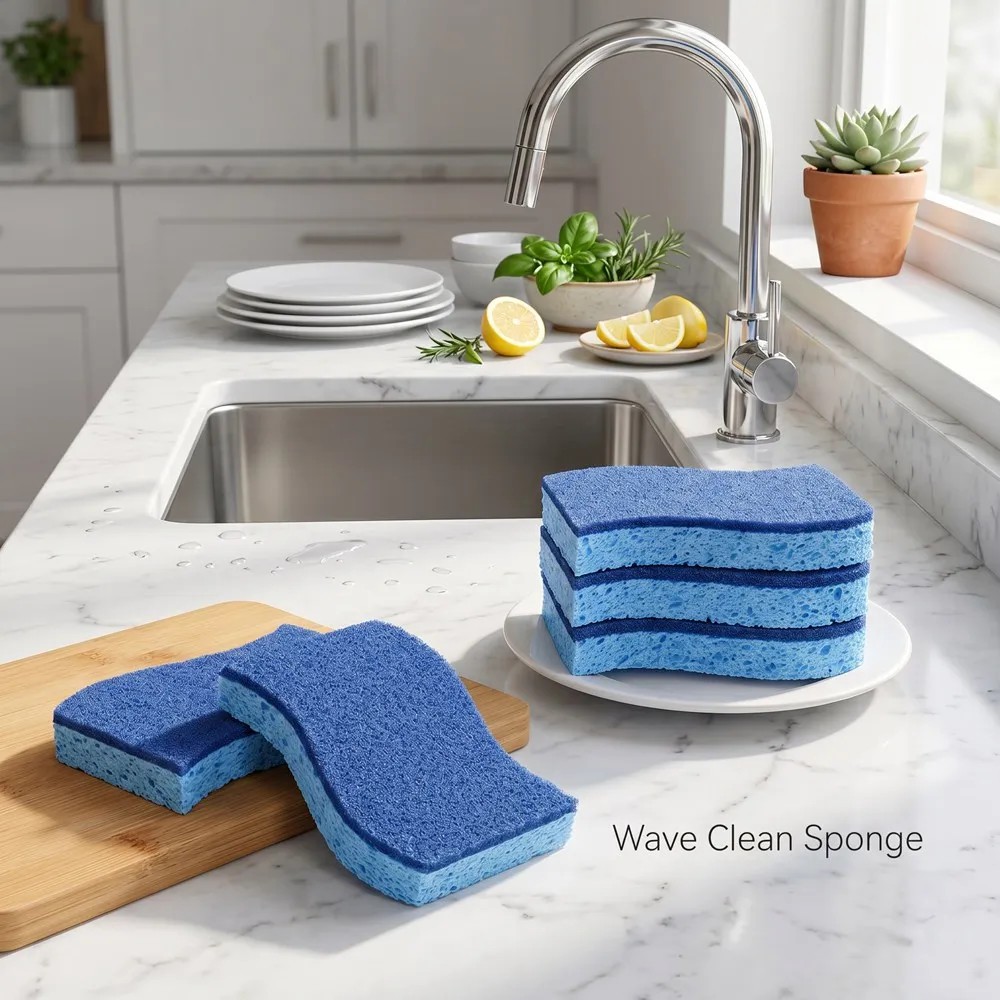
Past sponges used one material for all jobs. This led to weak results in scrubbing or soaking. Fresh builds take a mixed method. They join items like wood pulp and dense foam. Such layers offer firm support. Thus, the sponge holds up beyond the first try.
Impact of High-Density Nano Foam on Scuff Removal
Fine melamine foam cleans via a basic action. Its open cells work like tiny rough paper. At 40-60kg/m³ density, the foam grabs soil from small gaps well. This change shows clear gains on pale walls or tile areas.
Role of Aesthetics in Sustainable Consumer Psychology
A high-style tool gets better handling. This extends its use time. Selecting a sponge with special form or bright layers signals a shift from throw-away habits. Users tend to store an appealing, able tool out in view. They avoid early discard since it seems like waste.
Can Aesthetic Sponges Outperform Traditional Cleaning Tools?
A sponge's strength comes from its pores and material weight. A simple sponge may shift dirt only. Yet a built composite sponge traps bits with its levels. This saves scrubbing time. You gain more moments in your area. The key rests in the material's science, beyond hue.
Performance Comparison of Material Efficiency
|
Feature |
Standard Melamine Sponge |
High-Density Composite Sponge |
|
Density |
8-16 kg/m³ |
40-60 kg/m³ |
|
Durability |
Crumbles easily |
High tear resistance |
|
Water Absorption |
Moderate |
Exceptional (Wood pulp layers) |
|
Chemical Use |
Often needs soap |
Water only (Physical cleaning) |
|
Life Span |
Single use |
Multiple uses |
Scrubbing Power of the Flower Scrub Cleaning Sponge
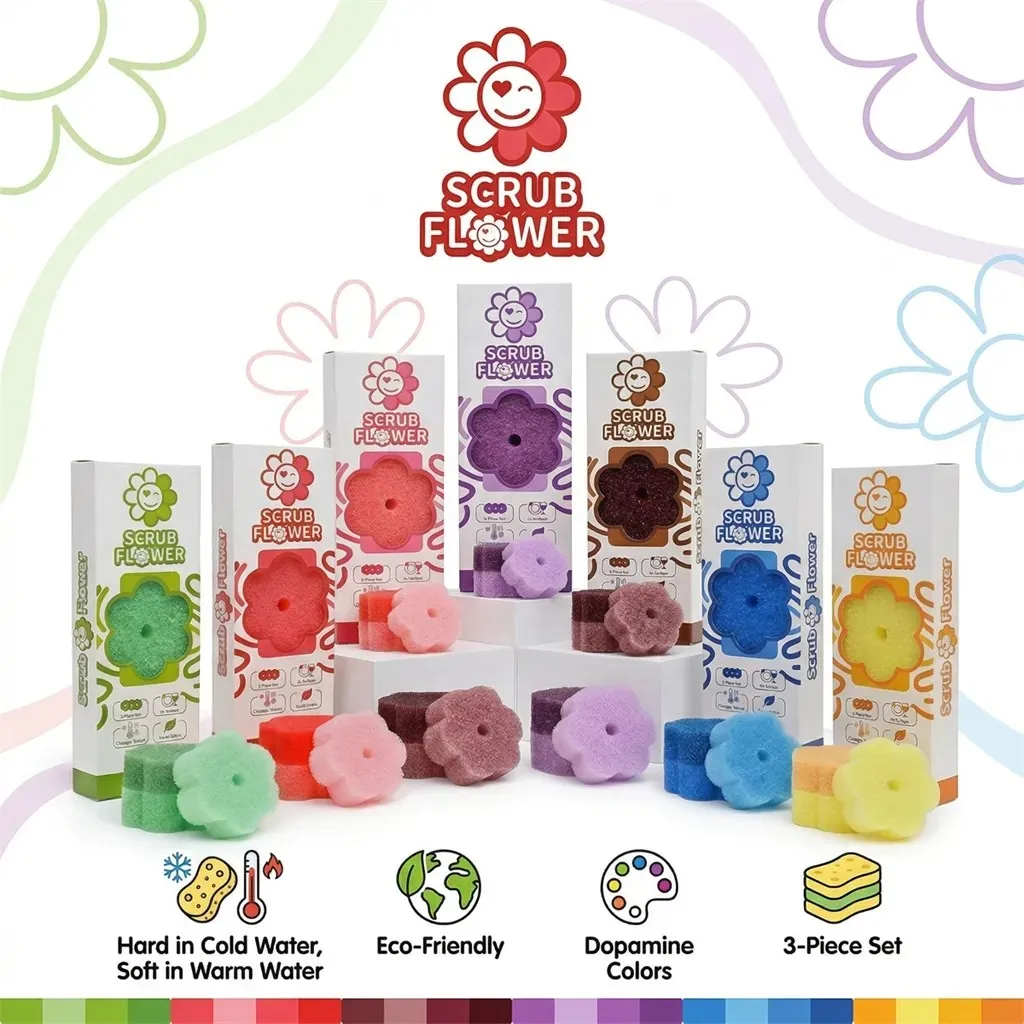
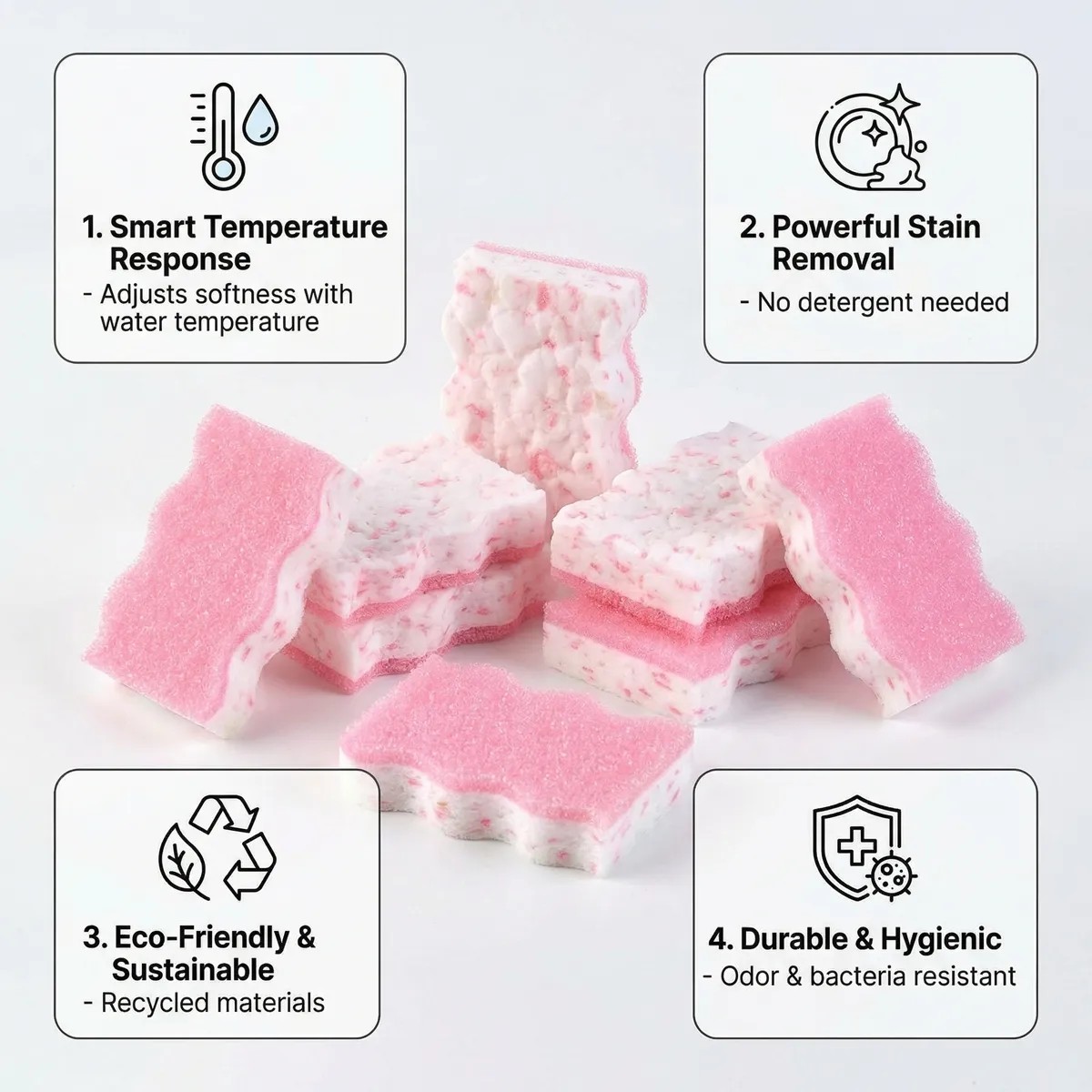
Those facing hard dirt yet seeking a nice tool find the Flower Scrub Cleaning Sponge as a fine pick for useful build. Its layered setup gives a mild side and a stronger scrub side. This manages oily marks on cook areas. It skips strong cleaners that harm skin or home air.
Eco-Friendly Advantages of Printed Wood Pulp Sponge Cloths
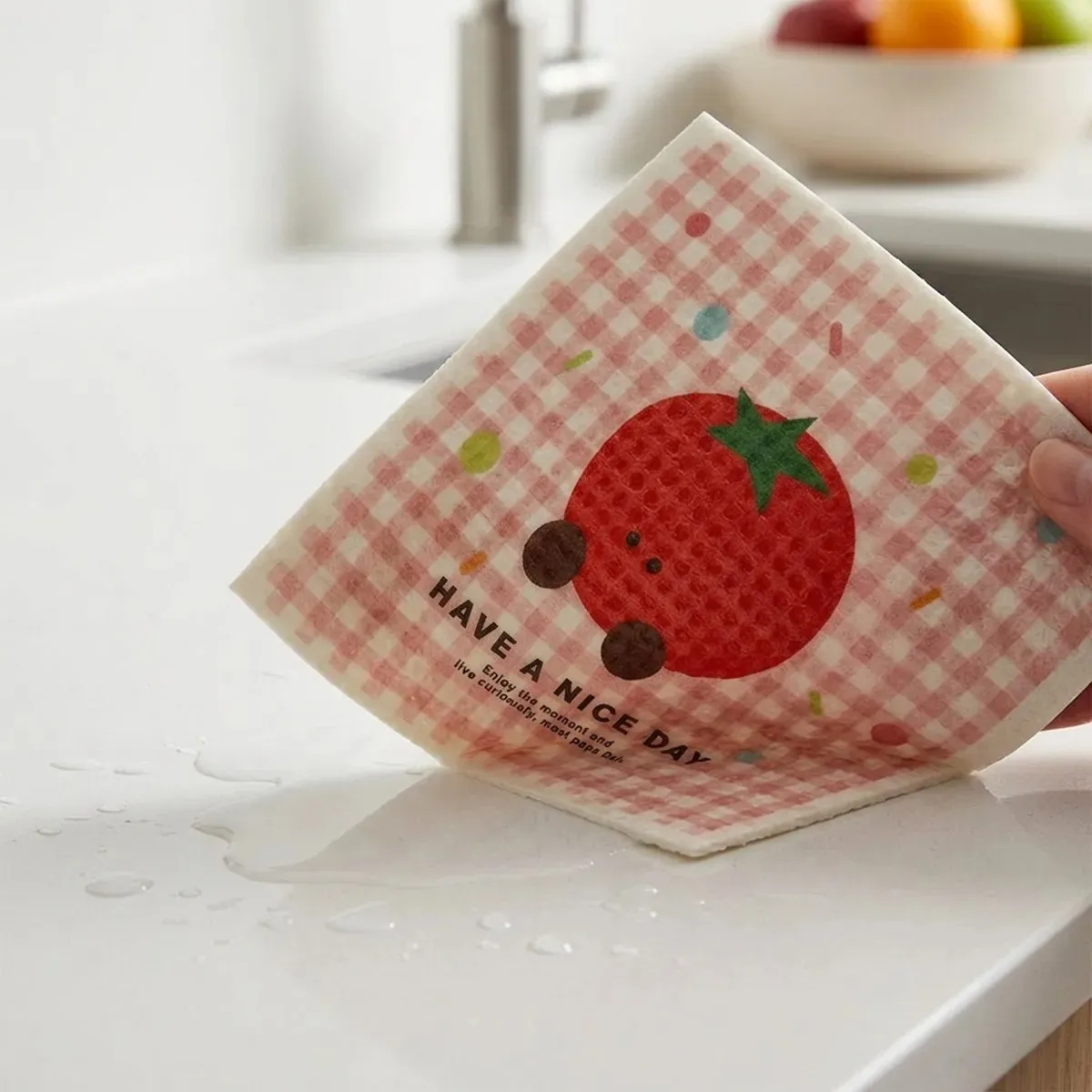
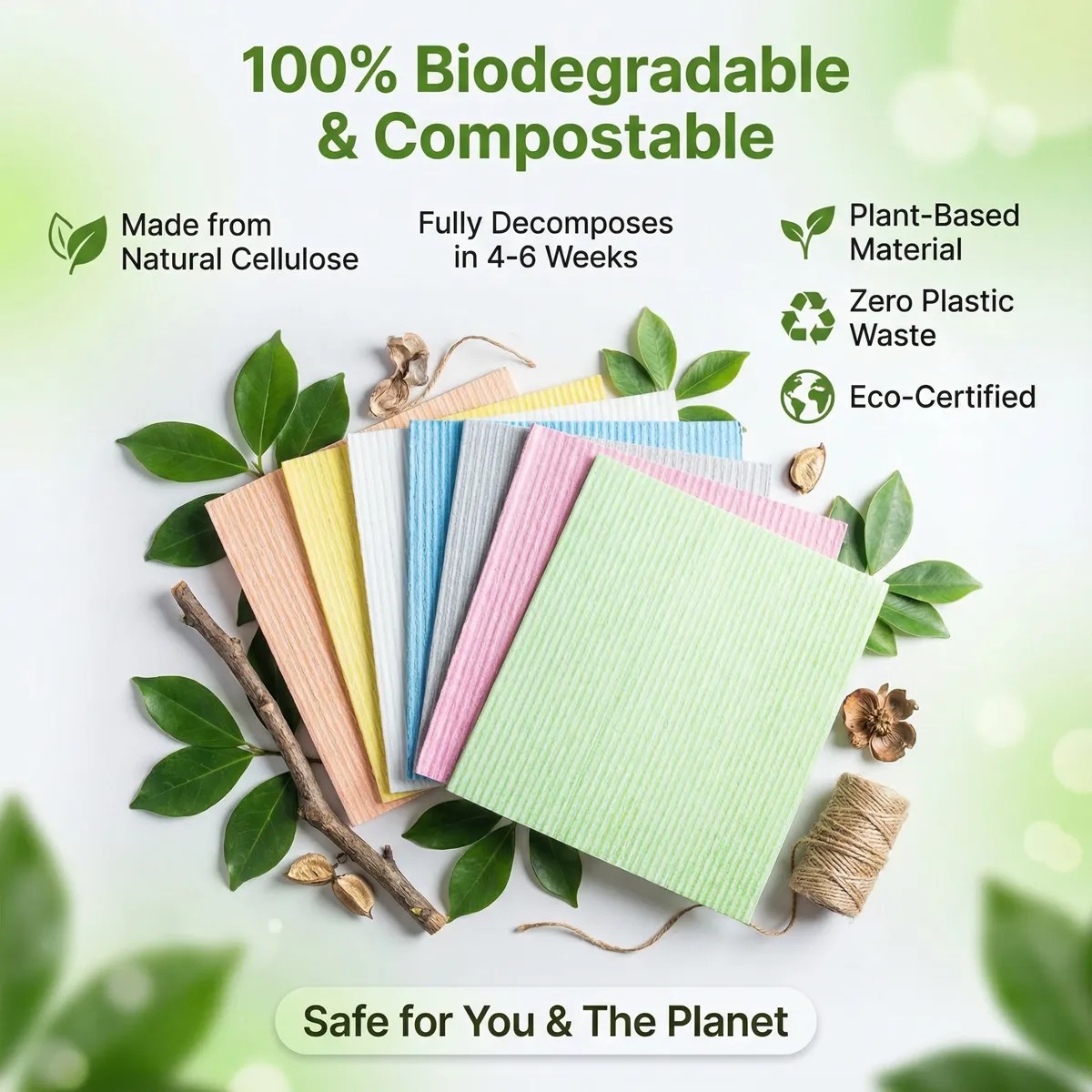
Natural items return in force. The Printed Wood Pulp Sponge Cloths mix cloth soak with sponge scrub. These break down fully and employ water inks for prints. They skip tiny plastic bits. This aids those cutting green impact in a fine home.
How to Solve Common Cleaning Pain Points with Premium Sponges?
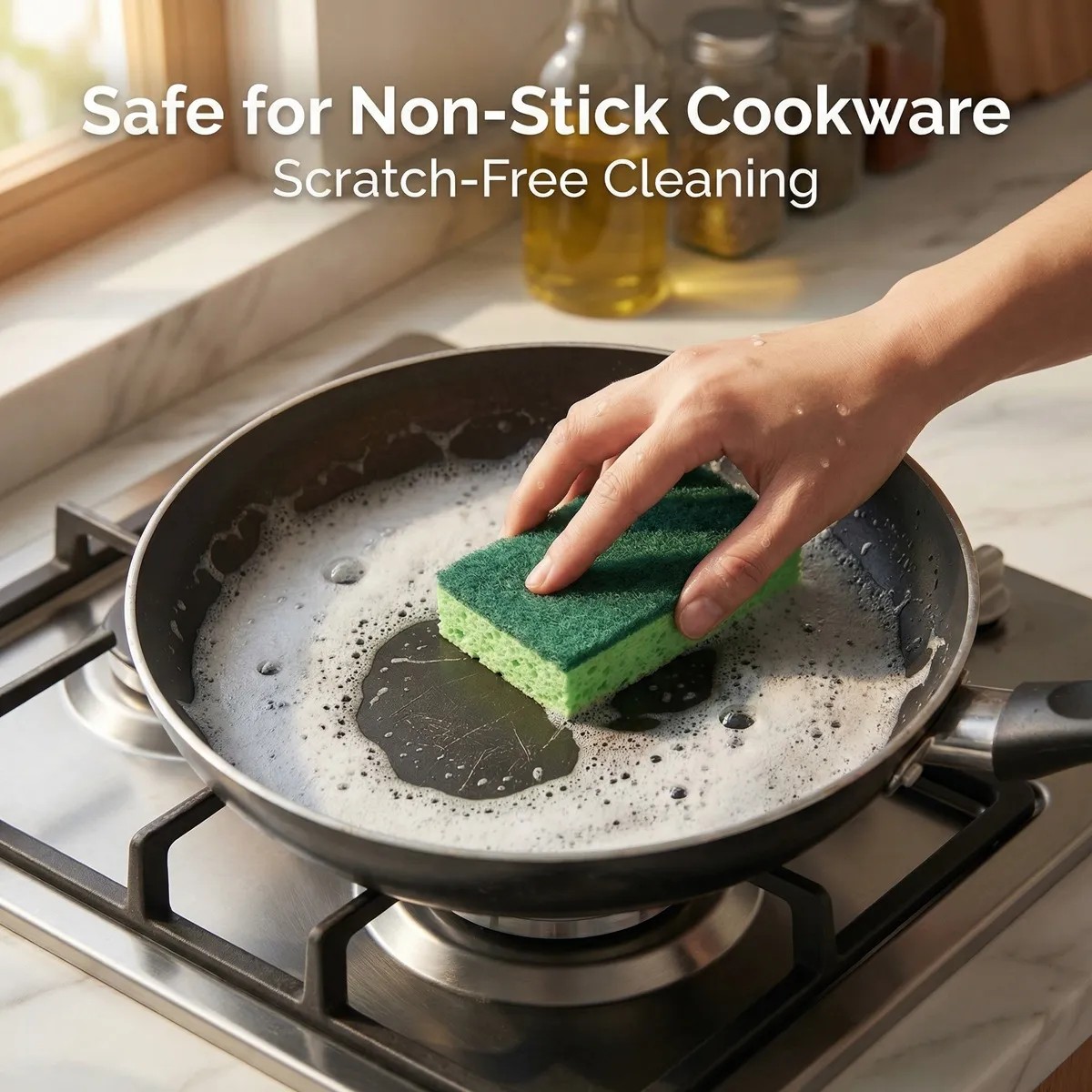
Handling soft goods like resin figures or fine cook items needs an able yet safe tool. A usual error involves rough pads that cause lasting marks. Top composite sponges fix this with set rub levels. You gain nano-tech clean strength. This avoids the rough harm of low-cost factory picks.
Gentle Care for Delicate Figures and Models
Hobbyists note that color washes or dust fill small model parts. A wet melamine foam bit lets you clear extra color or soil with care. Since foams break easily, cut them to small sizes. This reaches tight spots on pots or items without excess force.
Chemical-Free Solutions for Grease and Grime
These sponges hold "magic" in their 3D melamine web. The fibers match glass hardness but keep foam bend. Water lets fibers catch and lift dirt. Such action changes homes with animals or kids. It cuts chemical traces as a main goal.
Streak-Free Maintenance for High-End Kitchen Surfaces
Metal and glass show marks and prints often. A dense composite sponge with wood pulp takes dirty water in. It avoids spreading only. This yields a sharp look that seems fresh, not just cleaned.
Why Should Global Distributors Choose FoamTech as a Partner?
Linking with a focused maker goes beyond cheap costs. It involves steady supply and expert aid. In world markets, you require a source that grasps material knowledge and global rules.
Professional Manufacturing Capacity
Years of work and large China sites manage big runs for world labels. As a "National Green Factory," their steps meet firm green and work goals for current trade.
Innovative Product Customization Options
Custom forms, special color levels, or set density needs call for OEM and ODM work. This fits exact fields like vehicle care or health gear clean. Your label thus shines in full markets.
Global Export and Logistic Excellence
World shipping and checks challenge many. This firm shows strong sends to North America, Europe, and Southeast Asia. They supply key papers like ISO 9001 and BSCI checks. This smooths buys for pros.
Strict Quality Control Standards
Every lot tests for seal, pores, and bend. They check press recovery under three seconds and density. This cuts risks of weak or poor sponges. Such care marks them as a key provincial firm.
FAQ
Q1: Why do some magic erasers fall apart so quickly?
A: This usually happens with low-density sponges (8-12kg/m³). Higher density versions or composite designs with wood pulp layers are much more durable and resistant to crumbling during heavy scrubbing.
Q2: Can I use these sponges on my car’s paint?
A: Melamine foam is a micro-abrasive. It is excellent for rims or interior scuffs, but use it very gently on clear coats. It is always best to test a small, hidden area first to ensure it doesn't dull the shine.
Q3: Do these colorful sponges contain toxic dyes?
A: Premium manufacturers use water-based inks and food-grade safety standards for their printed designs, making them safe for kitchen use and environmentally friendly.
Q4: How do I know if a sponge is actually high quality?
A: Look for a density between 40-60kg/m³ and check for certifications like ISO or FDA. A good sponge should feel firm and spring back almost instantly when you press it.
Q5: Is it necessary to use soap with a composite melamine sponge?
A: No, the physical structure of the foam does the work. Adding soap can actually fill the nano-pores of the sponge and make it less effective at "hooking" the dirt. Just wet it and squeeze out the excess water.
Many folks view cleaning as a task to complete fast. They often pick plain, factory-style tools that stay out of sight under the sink. Yet a change occurs in current homes. Here, style joins strong function. You may ask if a nice-looking sponge truly scrubs better. Or do you simply pay for its good looks? In fact, material advances now link beauty to detailed, layered work designs.
To find top cleaning items, FoamTech leads in the melamine foam field. This advanced firm does more than produce sponges. They serve as a National Green Factory and a focused R&D center with many patents. If you seek options for train travel or home routines, their service and about us sections show strong focus on ISO 9001 standards and green safety. As a seller or label owner needing solid production, you can contact them. Learn how they guide the "cleaning revolution" using managed-density, green materials.
Does the Visual Appeal of Cleaning Tools Matter in Modern Homes?
Basic cleaning items often do not match the planned style of a current kitchen or hobby shelf. It seems clear that a vivid yellow and green plastic sponge fits poorly near fine devices or fine models. Today's buyers favor tools that suit simple or neat styles. At the same time, these tools keep the strength to clear tough spots.
Transition from Mono-Functional to Multi-Layer Structures
Past sponges used one material for all jobs. This led to weak results in scrubbing or soaking. Fresh builds take a mixed method. They join items like wood pulp and dense foam. Such layers offer firm support. Thus, the sponge holds up beyond the first try.
Impact of High-Density Nano Foam on Scuff Removal
Fine melamine foam cleans via a basic action. Its open cells work like tiny rough paper. At 40-60kg/m³ density, the foam grabs soil from small gaps well. This change shows clear gains on pale walls or tile areas.
Role of Aesthetics in Sustainable Consumer Psychology
A high-style tool gets better handling. This extends its use time. Selecting a sponge with special form or bright layers signals a shift from throw-away habits. Users tend to store an appealing, able tool out in view. They avoid early discard since it seems like waste.
Can Aesthetic Sponges Outperform Traditional Cleaning Tools?
A sponge's strength comes from its pores and material weight. A simple sponge may shift dirt only. Yet a built composite sponge traps bits with its levels. This saves scrubbing time. You gain more moments in your area. The key rests in the material's science, beyond hue.
Performance Comparison of Material Efficiency
|
Feature |
Standard Melamine Sponge |
High-Density Composite Sponge |
|
Density |
8-16 kg/m³ |
40-60 kg/m³ |
|
Durability |
Crumbles easily |
High tear resistance |
|
Water Absorption |
Moderate |
Exceptional (Wood pulp layers) |
|
Chemical Use |
Often needs soap |
Water only (Physical cleaning) |
|
Life Span |
Single use |
Multiple uses |
Scrubbing Power of the Flower Scrub Cleaning Sponge
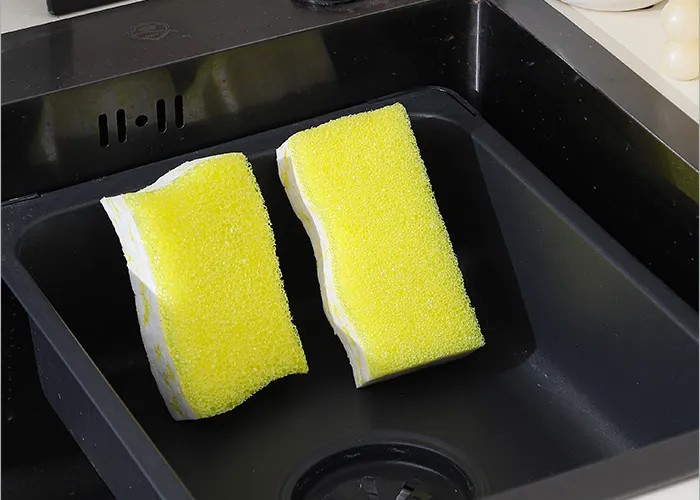
Those facing hard dirt yet seeking a nice tool find the Flower Scrub Cleaning Sponge as a fine pick for useful build. Its layered setup gives a mild side and a stronger scrub side. This manages oily marks on cook areas. It skips strong cleaners that harm skin or home air.
Eco-Friendly Advantages of Printed Wood Pulp Sponge Cloths
Natural items return in force. The Printed Wood Pulp Sponge Cloths mix cloth soak with sponge scrub. These break down fully and employ water inks for prints. They skip tiny plastic bits. This aids those cutting green impact in a fine home.
How to Solve Common Cleaning Pain Points with Premium Sponges?
Handling soft goods like resin figures or fine cook items needs an able yet safe tool. A usual error involves rough pads that cause lasting marks. Top composite sponges fix this with set rub levels. You gain nano-tech clean strength. This avoids the rough harm of low-cost factory picks.
Gentle Care for Delicate Figures and Models
Hobbyists note that color washes or dust fill small model parts. A wet melamine foam bit lets you clear extra color or soil with care. Since foams break easily, cut them to small sizes. This reaches tight spots on pots or items without excess force.
Chemical-Free Solutions for Grease and Grime
These sponges hold "magic" in their 3D melamine web. The fibers match glass hardness but keep foam bend. Water lets fibers catch and lift dirt. Such action changes homes with animals or kids. It cuts chemical traces as a main goal.
Streak-Free Maintenance for High-End Kitchen Surfaces
Metal and glass show marks and prints often. A dense composite sponge with wood pulp takes dirty water in. It avoids spreading only. This yields a sharp look that seems fresh, not just cleaned.
Why Should Global Distributors Choose FoamTech as a Partner?
Linking with a focused maker goes beyond cheap costs. It involves steady supply and expert aid. In world markets, you require a source that grasps material knowledge and global rules.
Professional Manufacturing Capacity
Years of work and large China sites manage big runs for world labels. As a "National Green Factory," their steps meet firm green and work goals for current trade.
Innovative Product Customization Options
Custom forms, special color levels, or set density needs call for OEM and ODM work. This fits exact fields like vehicle care or health gear clean. Your label thus shines in full markets.
Global Export and Logistic Excellence
World shipping and checks challenge many. This firm shows strong sends to North America, Europe, and Southeast Asia. They supply key papers like ISO 9001 and BSCI checks. This smooths buys for pros.
Strict Quality Control Standards
Every lot tests for seal, pores, and bend. They check press recovery under three seconds and density. This cuts risks of weak or poor sponges. Such care marks them as a key provincial firm.
FAQ
Q1: Why do some magic erasers fall apart so quickly?
A: This usually happens with low-density sponges (8-12kg/m³). Higher density versions or composite designs with wood pulp layers are much more durable and resistant to crumbling during heavy scrubbing.
Q2: Can I use these sponges on my car’s paint?
A: Melamine foam is a micro-abrasive. It is excellent for rims or interior scuffs, but use it very gently on clear coats. It is always best to test a small, hidden area first to ensure it doesn't dull the shine.
Q3: Do these colorful sponges contain toxic dyes?
A: Premium manufacturers use water-based inks and food-grade safety standards for their printed designs, making them safe for kitchen use and environmentally friendly.
Q4: How do I know if a sponge is actually high quality?
A: Look for a density between 40-60kg/m³ and check for certifications like ISO or FDA. A good sponge should feel firm and spring back almost instantly when you press it.
Q5: Is it necessary to use soap with a composite melamine sponge?
A: No, the physical structure of the foam does the work. Adding soap can actually fill the nano-pores of the sponge and make it less effective at "hooking" the dirt. Just wet it and squeeze out the excess water.
Related Recommendations

Family owned company, globalleader in development andmanufacturing of home careproducts for private label andcontract manufacturing
Copyright © 2026 FoamTech (Zhejiang) New Materials Co., Ltd.