The Ultimate Solution for Removing Grease with Melamine Sponges without Damaging the Paint
2026-05-21
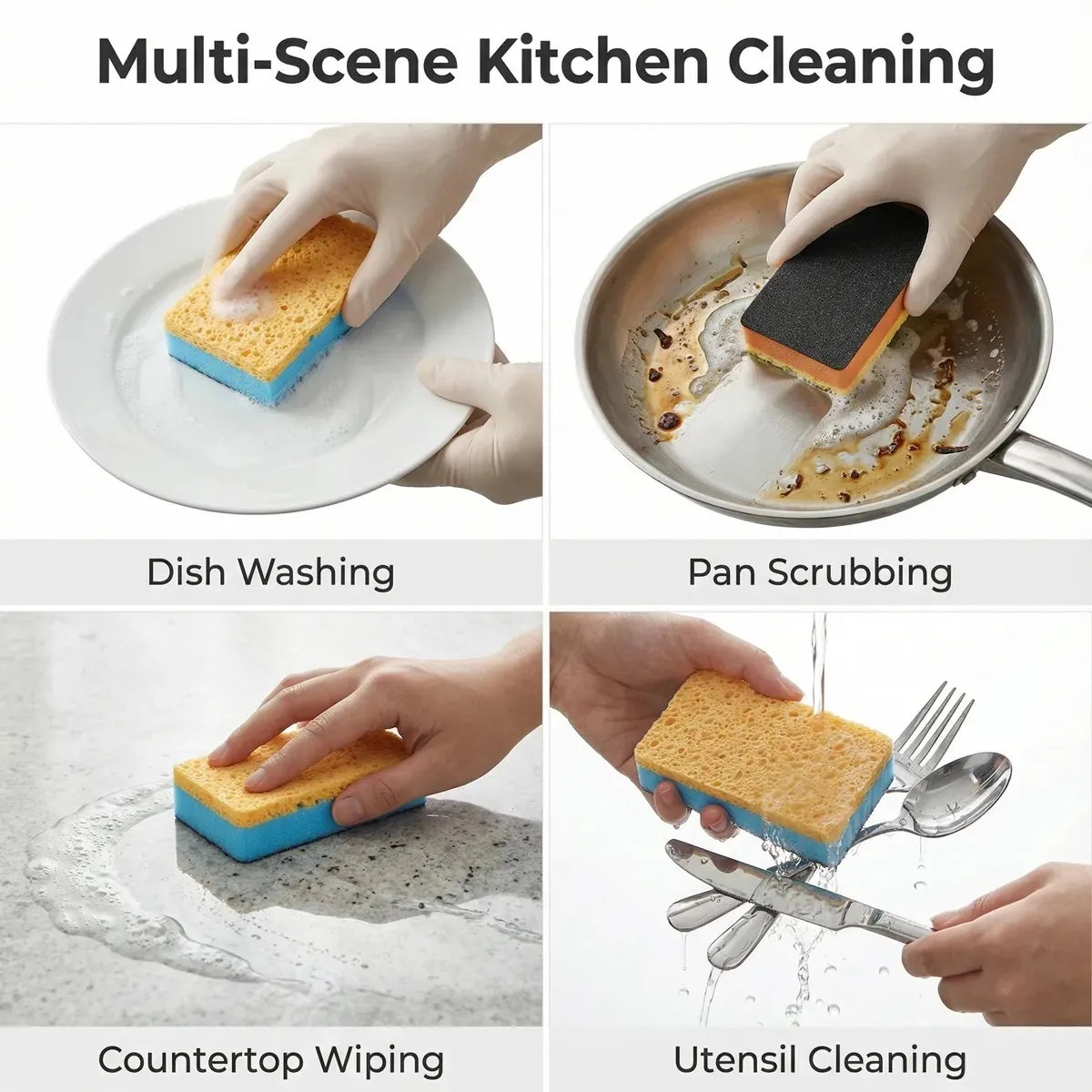
Dealing with thick grease in a commercial kitchen goes beyond a simple task. It turns into an ongoing fight against stubborn residues that cling tightly to all surfaces. Restaurant owners often struggle to achieve thorough cleaning while protecting costly wall paint. If abrasive pads have left lasting scratches or strong cleaners have released irritating odors, consider a better method. For businesses looking for reliable professional tools, FoamTech serves as a worldwide expert in melamine foam technology. Backed by years of knowledge and a strong name in advanced production, the company delivers tailored cleaning services and items to business clients across the globe. No matter if you run a hectic kitchen or a busy industrial space, reaching out to their specialists guarantees you receive suitable density and material for your particular needs. Recognized as a "National Green Factory" and "High-tech Enterprise," FoamTech emphasizes eco-friendly, practical options that surpass outdated, cumbersome cleaning practices.
The Reality of Grease Removal in Professional Kitchens
Commercial kitchens run under intense heat conditions. There, evaporated oils deposit on walls and ceilings. Over time, they solidify. This buildup draws in dust and germs. As a result, consistent cleaning becomes essential for health and safety.
The Conflict Between Powerful Degreasing and Surface Integrity
Harsh chemicals break down grease effectively. However, they frequently remove the shine from paint. They may even lead to peeling. In contrast, steel wool or firm brushes function much like rough sandpaper. Such items produce tiny scratches. These marks, in fact, hold onto more grease later on. It often seems like an unwinnable effort. The harder you clean the walls, the worse the damage appears. This dilemma forces managers to weigh cleaning results against long-term surface protection.
Why Traditional Abrasives Often Fail on Painted Restaurant Walls
Common store-bought scrubbers prove overly rough for soft satin or flat matte paints. When you rub too forcefully with a basic pad, a noticeable "shiny spot" appears. This happens because the paint's surface gets worn down. Such lasting harm usually looks worse than the initial grease mark. For that reason, many owners face repeated repainting due to ineffective tools that compromise the finish instead of preserving it.
The Science Behind Damage-Free Cleaning with Melamine Foam
Melamine foam operates in a distinct way compared to cloths or brushes. Its special open-cell design acts similar to very fine grit at a tiny scale. Yet, it avoids the harmful roughness found in usual scrubbers.
How Open-Cell Structure Targets Sticky Grease Molecules
At its core, the foam consists of a web of rigid, glass-resembling fibers. Once you moisten the sponge, those fibers gain enough give to reach small surface crevices. Consequently, it draws grease directly from the paint's grain without spreading it further. Here, physical action takes over rather than chemical reactions. This approach cleans deeply and preserves the wall's smooth condition effectively.
Maintaining the Protective Coating through Controlled Friction
The foam contains mostly air. Its open porosity typically exceeds 95 percent. Because of this, it avoids delivering full-force pressure. Instead, it confines the rubbing action to the soiled areas. When the density matches your needs and the sponge stays moist, grime lifts off cleanly. Meanwhile, the base paint remains untouched. Thus, the material's makeup ensures targeted cleaning that safeguards the protective layer beneath.
Solving the Grease Problem with Specialized FoamTech Solutions
Melamine sponges vary widely in quality. Opting for an inexpensive, thin one in a demanding kitchen causes it to break apart quickly. This leaves scattered white particles behind.
Introduction to the High-Density New 3-Layer Composite Product
Walls requiring careful handling yet strong hold benefit greatly from the New 3-Layer Composite Product. This item merges melamine's scrubbing strength with a flexible central layer. Such construction stops the sponge from breaking during work on tall upright areas. It endures extended sessions and offers a more ergonomic grip for workers facing long cleaning shifts. Overall, this setup boosts efficiency and reduces replacement needs in daily routines.
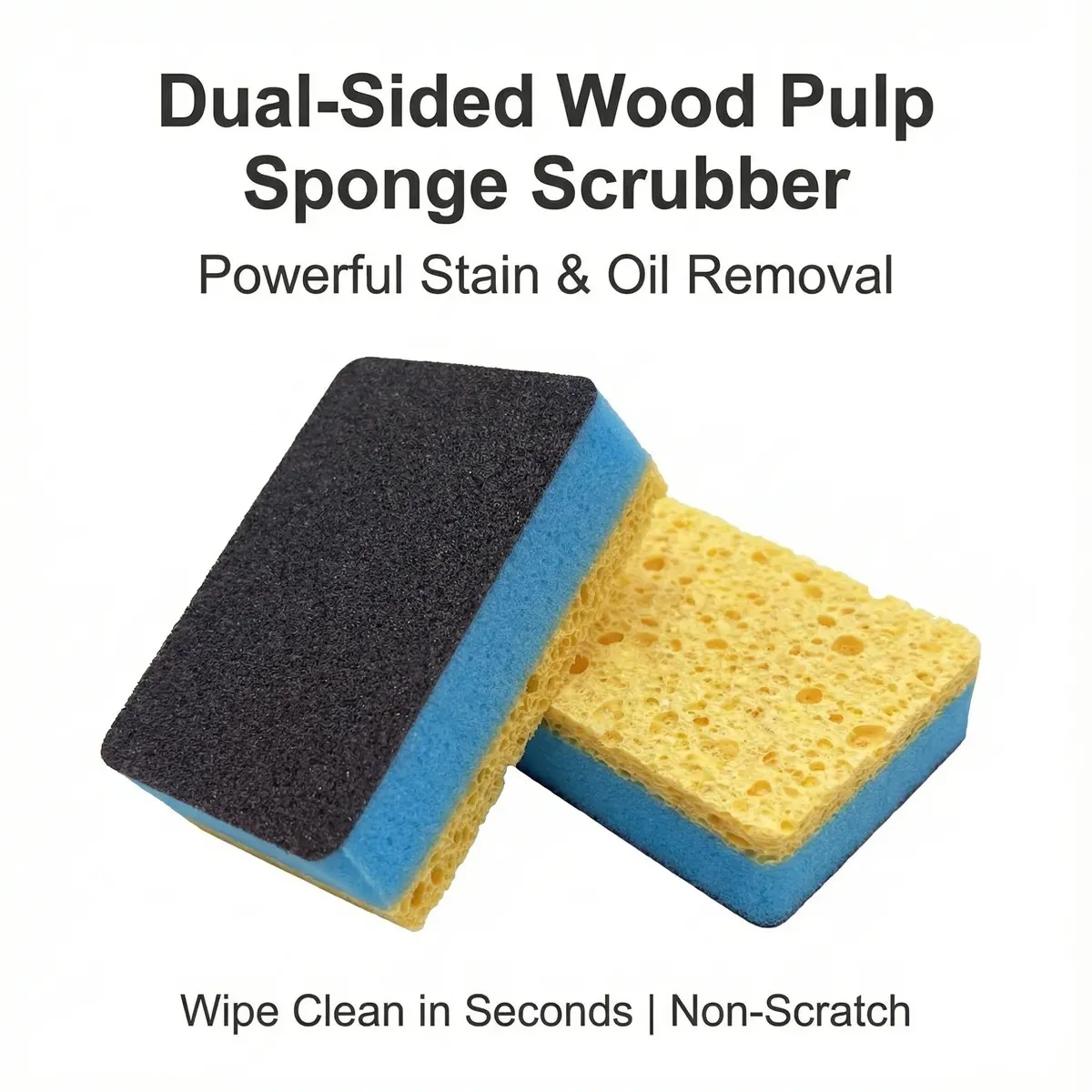
Heavy-Duty Kitchen Stain and Rust Remover for Tougher Grime
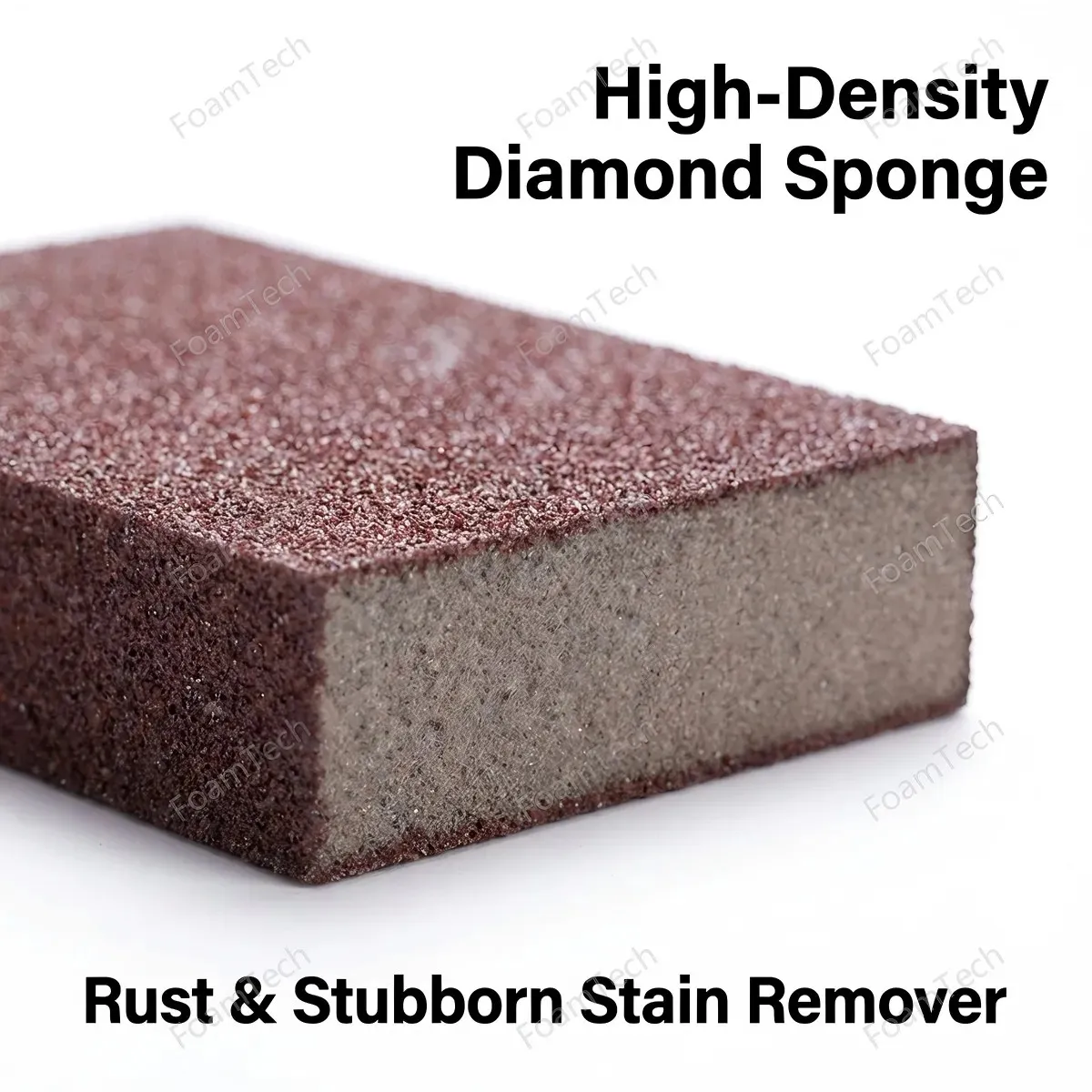
Grease sometimes bonds firmly to stainless steel backsplashes or sturdy metal ranges. For such situations, the Heavy-Duty Kitchen Stain & Rust Remover fits perfectly. The product employs diamond sand for precise micro-scrubbing. You would avoid applying it to sensitive painted areas. However, it excels at removing deeply set, scorched residues beyond the reach of ordinary sponges. Its durable form handles intense tasks reliably, cutting down on effort for challenging spots.
Comparative Performance of Specialized Solutions
|
Feature |
Standard Melamine Sponge |
3-Layer Composite |
Heavy-Duty Rust Remover |
|
Durability |
Low (crumbles easily) |
High (reinforced core) |
Very High (dense structure) |
|
Best Surface |
Light household use |
Painted walls, Cabinets |
Metal, Rust, Griddle |
|
Grease Grip |
Moderate |
Excellent |
Extreme |
|
Paint Safety |
Good |
Excellent |
Not Recommended |
Strategic Tips for Cleaning Painted Surfaces in Commercial Environments
Proper method matters as much as the equipment itself. Even top-quality sponges can harm surfaces if applied dry or pressed too hard.
The Importance of the Pre-Moistening Technique
Avoid using a magic sponge completely dry against painted walls. Water serves both as a slip aid and a means to carry away soil. Therefore, wring it out until just moist, not soaking. Excess liquid might trickle down and leave trails. Insufficient moisture, on the other hand, heightens rubbing risks. By following this step, you enable safe, even cleaning that avoids surface wear.
Testing Surface Compatibility with a Spot Cleaning Trial
Different paint types and sheens respond in varied ways. Before addressing the primary wall near the counter, select an out-of-sight location. This could be behind a door or along the baseboard. Apply a few gentle passes, then allow it to air dry. Should the hue and luster match the surrounding area, proceed confidently. This quick check prevents costly mistakes and confirms suitability for broader use.
Applying Gentle Pressure to Prevent Mechanical Finish Wear
Strong urges arise to press firmly against resistant oil spots from fryers. Resist that impulse. Allow the foam's fine build to handle the removal. If light strokes fail to budge it, introduce additional water. Alternatively, switch to an unused part of the sponge. Excessive force typically results in faint "ghosting" traces on the paint. Maintaining mild application thus protects the finish during routine maintenance.
Why Professional Kitchens Choose FoamTech as Their Primary Supplier
Trust in business partnerships extends past affordable costs. It centers on dependable results with each purchase.
Global Leadership in Innovative Melamine Cleaning Technology
The company boasts vast output capabilities along with numerous patents. Its efforts center on expanding melamine's potential. This goes further than basic sponges. It involves advanced nano-materials applied in fields like aerospace and rapid transit for thermal barriers. That level of precision carries over to all scrubbers for kitchens. Businesses thus gain access to cutting-edge items that enhance operational standards consistently.
Strict Quality Control with International Safety Certifications
Food sector safety demands absolute adherence. The products undergo thorough evaluations. These include ISO 9001 and BSCI reviews. Produced in a "National Green Factory," they align with worldwide eco and protection guidelines. As a result, clients receive assured compliance for their cleaning needs in regulated environments.
Comprehensive One-Stop Cleaning Solutions for B2B Partners
Dealing with various vendors creates unnecessary complications. A single source providing options from biodegradable cellulose sponges to robust industrial foams simplifies buying. This delivers uniform standards throughout your full range of supplies. In practice, it eases inventory management and supports seamless business flow.
Efficient Global Supply Chain and Reliable Customer Support
Hospitality moves at a brisk pace. Delays in delivery spanning weeks disrupt operations. A solid distribution network keeps inventory steady across regions like Europe, North America, and Southeast Asia. Dedicated teams assist in selecting optimal density. For professional applications, this falls between 40-60kg/m³. Such guidance strikes the ideal mix of expense and efficiency. Ultimately, prompt service and advice maintain uninterrupted cleaning schedules.
FAQ
Q1: Can I use these sponges on glossy paint?
A: Exercise caution with shiny high-gloss surfaces. The foam itself poses little issue. Yet, aggressive use might reduce the luster slightly. Perform a trial in a hidden spot beforehand.
Q2: How long does a 3-layer composite sponge last?
A: Within commercial use, it outlasts basic melamine versions by a good margin. Usage depends on surface texture and grease volume. Typically, one unit covers multiple broad wall areas before replacement.
Q3: Do I need to use soap with the melamine foam?
A: In most cases, no. These sponges rely solely on water for their effect. For heavily layered, aged grease, a small amount of gentle dish soap can assist. Still, it's rarely required.
Q4: Will the white residue from the sponge ruin my walls?
A: That "residue" amounts to mere worn foam particles. A quick pass with a moist microfiber cloth removes it after cleaning. It leaves no chemical marks behind.
Q5: Is melamine foam safe for food contact surfaces?
A: Yes, provided you wash the area with water post-cleaning. The material holds no toxins. Just make sure no fragments remain in food preparation zones.
Dealing with thick grease in a commercial kitchen goes beyond a simple task. It turns into an ongoing fight against stubborn residues that cling tightly to all surfaces. Restaurant owners often struggle to achieve thorough cleaning while protecting costly wall paint. If abrasive pads have left lasting scratches or strong cleaners have released irritating odors, consider a better method. For businesses looking for reliable professional tools, FoamTech serves as a worldwide expert in melamine foam technology. Backed by years of knowledge and a strong name in advanced production, the company delivers tailored cleaning services and items to business clients across the globe. No matter if you run a hectic kitchen or a busy industrial space, reaching out to their specialists guarantees you receive suitable density and material for your particular needs. Recognized as a "National Green Factory" and "High-tech Enterprise," FoamTech emphasizes eco-friendly, practical options that surpass outdated, cumbersome cleaning practices.
The Reality of Grease Removal in Professional Kitchens
Commercial kitchens run under intense heat conditions. There, evaporated oils deposit on walls and ceilings. Over time, they solidify. This buildup draws in dust and germs. As a result, consistent cleaning becomes essential for health and safety.
The Conflict Between Powerful Degreasing and Surface Integrity
Harsh chemicals break down grease effectively. However, they frequently remove the shine from paint. They may even lead to peeling. In contrast, steel wool or firm brushes function much like rough sandpaper. Such items produce tiny scratches. These marks, in fact, hold onto more grease later on. It often seems like an unwinnable effort. The harder you clean the walls, the worse the damage appears. This dilemma forces managers to weigh cleaning results against long-term surface protection.
Why Traditional Abrasives Often Fail on Painted Restaurant Walls
Common store-bought scrubbers prove overly rough for soft satin or flat matte paints. When you rub too forcefully with a basic pad, a noticeable "shiny spot" appears. This happens because the paint's surface gets worn down. Such lasting harm usually looks worse than the initial grease mark. For that reason, many owners face repeated repainting due to ineffective tools that compromise the finish instead of preserving it.
The Science Behind Damage-Free Cleaning with Melamine Foam
Melamine foam operates in a distinct way compared to cloths or brushes. Its special open-cell design acts similar to very fine grit at a tiny scale. Yet, it avoids the harmful roughness found in usual scrubbers.
How Open-Cell Structure Targets Sticky Grease Molecules
At its core, the foam consists of a web of rigid, glass-resembling fibers. Once you moisten the sponge, those fibers gain enough give to reach small surface crevices. Consequently, it draws grease directly from the paint's grain without spreading it further. Here, physical action takes over rather than chemical reactions. This approach cleans deeply and preserves the wall's smooth condition effectively.
Maintaining the Protective Coating through Controlled Friction
The foam contains mostly air. Its open porosity typically exceeds 95 percent. Because of this, it avoids delivering full-force pressure. Instead, it confines the rubbing action to the soiled areas. When the density matches your needs and the sponge stays moist, grime lifts off cleanly. Meanwhile, the base paint remains untouched. Thus, the material's makeup ensures targeted cleaning that safeguards the protective layer beneath.
Solving the Grease Problem with Specialized FoamTech Solutions
Melamine sponges vary widely in quality. Opting for an inexpensive, thin one in a demanding kitchen causes it to break apart quickly. This leaves scattered white particles behind.
Introduction to the High-Density New 3-Layer Composite Product
Walls requiring careful handling yet strong hold benefit greatly from the New 3-Layer Composite Product. This item merges melamine's scrubbing strength with a flexible central layer. Such construction stops the sponge from breaking during work on tall upright areas. It endures extended sessions and offers a more ergonomic grip for workers facing long cleaning shifts. Overall, this setup boosts efficiency and reduces replacement needs in daily routines.
Heavy-Duty Kitchen Stain and Rust Remover for Tougher Grime
Grease sometimes bonds firmly to stainless steel backsplashes or sturdy metal ranges. For such situations, the Heavy-Duty Kitchen Stain & Rust Remover fits perfectly. The product employs diamond sand for precise micro-scrubbing. You would avoid applying it to sensitive painted areas. However, it excels at removing deeply set, scorched residues beyond the reach of ordinary sponges. Its durable form handles intense tasks reliably, cutting down on effort for challenging spots.
Comparative Performance of Specialized Solutions
|
Feature |
Standard Melamine Sponge |
3-Layer Composite |
Heavy-Duty Rust Remover |
|
Durability |
Low (crumbles easily) |
High (reinforced core) |
Very High (dense structure) |
|
Best Surface |
Light household use |
Painted walls, Cabinets |
Metal, Rust, Griddle |
|
Grease Grip |
Moderate |
Excellent |
Extreme |
|
Paint Safety |
Good |
Excellent |
Not Recommended |
Strategic Tips for Cleaning Painted Surfaces in Commercial Environments
Proper method matters as much as the equipment itself. Even top-quality sponges can harm surfaces if applied dry or pressed too hard.
The Importance of the Pre-Moistening Technique
Avoid using a magic sponge completely dry against painted walls. Water serves both as a slip aid and a means to carry away soil. Therefore, wring it out until just moist, not soaking. Excess liquid might trickle down and leave trails. Insufficient moisture, on the other hand, heightens rubbing risks. By following this step, you enable safe, even cleaning that avoids surface wear.
Testing Surface Compatibility with a Spot Cleaning Trial
Different paint types and sheens respond in varied ways. Before addressing the primary wall near the counter, select an out-of-sight location. This could be behind a door or along the baseboard. Apply a few gentle passes, then allow it to air dry. Should the hue and luster match the surrounding area, proceed confidently. This quick check prevents costly mistakes and confirms suitability for broader use.
Applying Gentle Pressure to Prevent Mechanical Finish Wear
Strong urges arise to press firmly against resistant oil spots from fryers. Resist that impulse. Allow the foam's fine build to handle the removal. If light strokes fail to budge it, introduce additional water. Alternatively, switch to an unused part of the sponge. Excessive force typically results in faint "ghosting" traces on the paint. Maintaining mild application thus protects the finish during routine maintenance.
Why Professional Kitchens Choose FoamTech as Their Primary Supplier
Trust in business partnerships extends past affordable costs. It centers on dependable results with each purchase.
Global Leadership in Innovative Melamine Cleaning Technology
The company boasts vast output capabilities along with numerous patents. Its efforts center on expanding melamine's potential. This goes further than basic sponges. It involves advanced nano-materials applied in fields like aerospace and rapid transit for thermal barriers. That level of precision carries over to all scrubbers for kitchens. Businesses thus gain access to cutting-edge items that enhance operational standards consistently.
Strict Quality Control with International Safety Certifications
Food sector safety demands absolute adherence. The products undergo thorough evaluations. These include ISO 9001 and BSCI reviews. Produced in a "National Green Factory," they align with worldwide eco and protection guidelines. As a result, clients receive assured compliance for their cleaning needs in regulated environments.
Comprehensive One-Stop Cleaning Solutions for B2B Partners
Dealing with various vendors creates unnecessary complications. A single source providing options from biodegradable cellulose sponges to robust industrial foams simplifies buying. This delivers uniform standards throughout your full range of supplies. In practice, it eases inventory management and supports seamless business flow.
Efficient Global Supply Chain and Reliable Customer Support
Hospitality moves at a brisk pace. Delays in delivery spanning weeks disrupt operations. A solid distribution network keeps inventory steady across regions like Europe, North America, and Southeast Asia. Dedicated teams assist in selecting optimal density. For professional applications, this falls between 40-60kg/m³. Such guidance strikes the ideal mix of expense and efficiency. Ultimately, prompt service and advice maintain uninterrupted cleaning schedules.
FAQ
Q1: Can I use these sponges on glossy paint?
A: Exercise caution with shiny high-gloss surfaces. The foam itself poses little issue. Yet, aggressive use might reduce the luster slightly. Perform a trial in a hidden spot beforehand.
Q2: How long does a 3-layer composite sponge last?
A: Within commercial use, it outlasts basic melamine versions by a good margin. Usage depends on surface texture and grease volume. Typically, one unit covers multiple broad wall areas before replacement.
Q3: Do I need to use soap with the melamine foam?
A: In most cases, no. These sponges rely solely on water for their effect. For heavily layered, aged grease, a small amount of gentle dish soap can assist. Still, it's rarely required.
Q4: Will the white residue from the sponge ruin my walls?
A: That "residue" amounts to mere worn foam particles. A quick pass with a moist microfiber cloth removes it after cleaning. It leaves no chemical marks behind.
Q5: Is melamine foam safe for food contact surfaces?
A: Yes, provided you wash the area with water post-cleaning. The material holds no toxins. Just make sure no fragments remain in food preparation zones.
Related Recommendations


Family owned company, globalleader in development andmanufacturing of home careproducts for private label andcontract manufacturing
Copyright © 2026 FoamTech (Zhejiang) New Materials Co., Ltd.