7 Unexpected Uses of Magic Eraser Cleaning Sponge for Professional Cleaners
2026-06-22
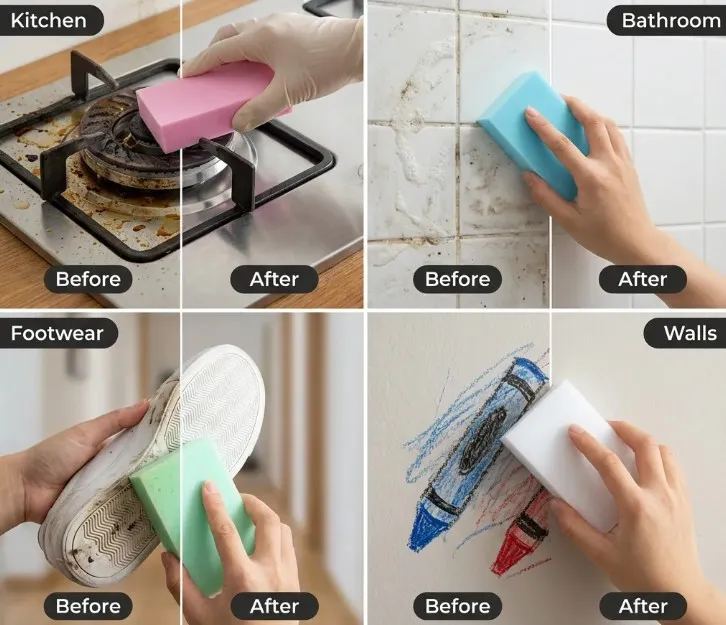
There are so many small marks left after a professional cleaning has been completed. The rim of a sink may have grey stains, pens may have been wiped down leaving marks on desks, washrooms may have been disinfected but the edges of the tile look old and grimy. These marks can be removed by a melamine sponge as they are able to clean with water, physically remove the dirt from surfaces and can even be cut to size to fit into small areas and to clean around awkward shaped objects saving a lot of time and effort.
1. Stainless Steel Sink Touch Ups without Heavy Chemical Smell
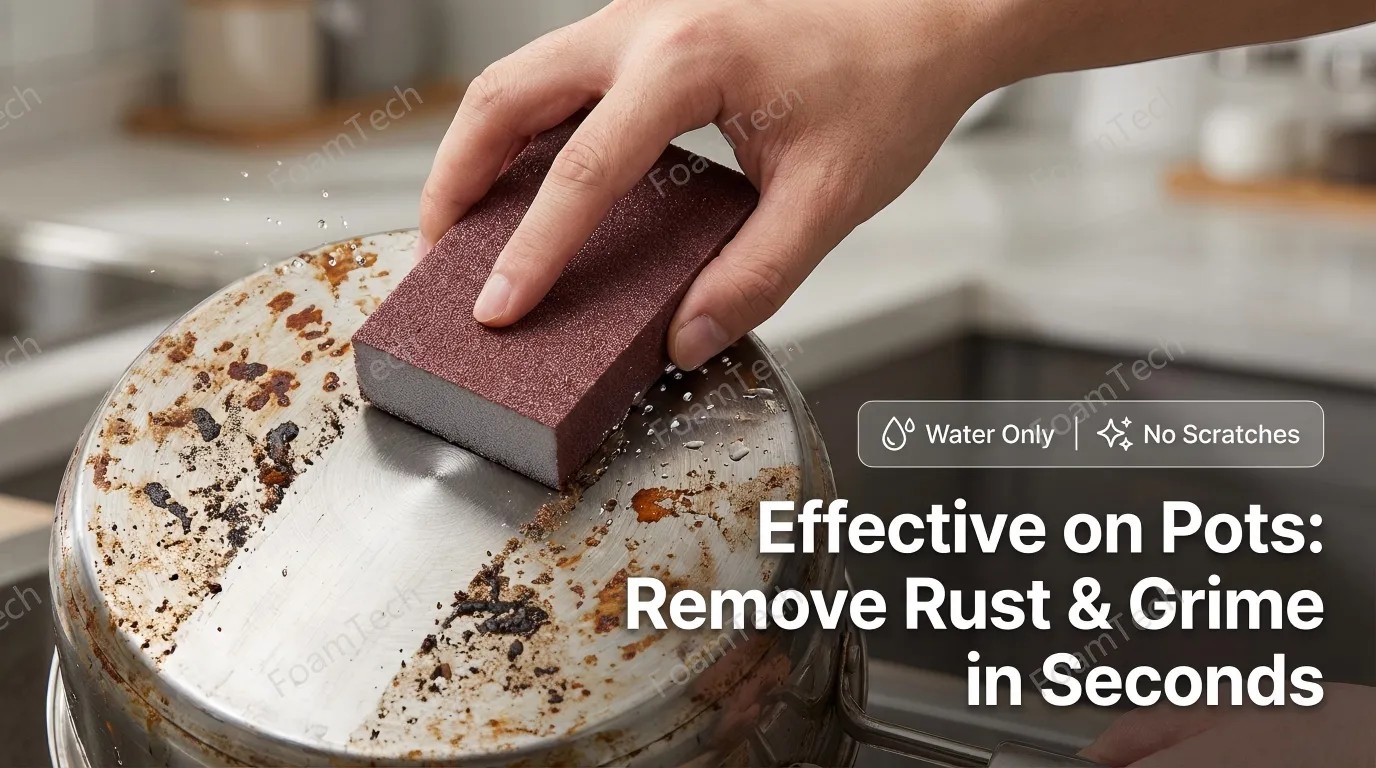
Stainless steel sinks in offices, cafés, clinics and shared kitchens all develop water marks, tea stains, grease lines and unsightly black marks around the drain. Usually strong chemicals are not used as they are still a busy site with staff and visitors.
Why It Helps on Dull Marks
A damp melamine sponge works by light physical friction. Surface dirt can be picked up without the need of detergent, great for a quick clean in between other deep cleaning tasks. Simple method to use the sponges practical way: Soak, wring out as much water as possible, wipe, rinse after use.
How to Use It Safely
Clear away food grit first. Scratches on stainless steel surface made with grit can be removed. Wipe in the direction of the stainless steel’s longitudinal fibers in a light manner and cease once the scratch mark disappears. When removing limescale from surfaces, treat the mineral deposit first and then clean the remaining residue with the sponge. It is more important than most people believe that this sequence of action is reversed.
2. Ceramic Tile Edges and Grout Lines in Busy Washrooms
Washroom cleaning is not only about the toilet bowl and floor. Corners around basins, urinals, bathtubs, and wall tiles often hold grey marks that normal cloths smear rather than remove. This is where Melamine Sponge Cleaner Blocks fit professional daily cleaning kits.
Best Spots to Use It
Use the cut pieces of sponge for cleaning around tile edges, basin rims, mop sink marks, and bathtub scuffs. The sponge is ideal for use on ceramic surfaces as it can reach into all the small uneven areas without having to resort to using a large brush head.
Simple Working Rule
Keep the sponge wet but not dripping. Wipe in one direction where possible. Rinse the sponge often, or the lifted dirt will move back onto the surface. On older grout, test a small area first. Grout can be weak, and no tool should be treated like magic on damaged surfaces.
3. Office Desk Marks, Keyboards, and Printer Shells
Commercial cleaners often get asked to remove pen marks, hand grime, and grey edge stains from office furniture. These marks look minor, but clients notice them during handover checks.
Small Cuts for Tight Spots
A key advantage is free cutting. You can cut one block into smaller pieces for desk corners, keyboard outer shells, telephone buttons, copier panels, and printer covers. A 10 × 7 × 3 cm style block is easy to divide for this kind of detail work.
Electronics Need Care
Use only a lightly damp piece. Power off equipment where needed, and never push water into openings. For keyboards, clean the top surface and outer edges, not the internal parts. It sounds obvious, but on a rushed shift, obvious rules prevent expensive mistakes.
4. Door Glass, Lamp Covers, and Decorative Fixtures
Glasswork in hotels, schools, and commercial buildings collects fingerprints, tape residue, fly spots, and grey dust around frames. A normal microfiber cloth may polish the center area but leave the edges looking tired. For larger cleaning teams, the service page can help match product form with use frequency.
Where It Performs Well
A damp melamine sponge can help clean door glass edges, window glass corners, vases, lampshades, and decorative glass pieces. It is not meant to replace glass cleaner for the final shine. Use it first for stuck dirt, then finish with a clean cloth.
Surface Checks before Bulk Use
Avoid aggressive rubbing on coated, tinted, painted, or printed glass. Test a hidden corner first. If the surface has a soft coating, use a gentler cloth instead. Professional cleaning is also about knowing when not to use a tool.
5. Plastic Chairs, Trash Bins, and Children’s Area Items
Black shoe marks, crayon lines, sticky finger marks and dust scratches on plastic surfaces show up very easily. Black marks on clean areas of schools, clinics, gyms and shared kitchens’ surfaces can be very difficult to remove and quickly make an area look unclean.
Good Matches for Plastic Cleaning
Use the sponge on plastic tables, chairs, trash bins, shower room panels, plastic window frames, and hard toy surfaces. Because it can clean with water alone, it helps reduce worries about detergent residue on frequently touched areas.
Color Transfer Checks
Some colored plastics, painted plastics, or low-cost printed surfaces may lose color under rubbing. Start with low pressure. If the sponge turns the same color as the item, stop. This is a small detail, but it protects both the cleaner and the client relationship.
6. Leather Seats and Vehicle Interior Trim
Vehicle interiors and leather furniture collect denim transfer, hand oils, shoe marks, and dust in seams. These areas are common in hotels, transport fleets, waiting rooms, and office lounges.
Light Pressure Only
Use a damp, squeezed sponge and clean a small section at a time. Do not scrub hard. Melamine foam can be effective, but leather surfaces need a softer hand than tile or ceramic.
Aftercare Still Matters
After cleaning leather, apply proper leather care if the site requires it. The sponge removes surface dirt, but it does not condition leather. For car interiors, steering-adjacent trim, door panels, and seat backs, test first and keep the work slow. Not glamorous, but it works.
7. Floor Machine Detail Pads and Marble Edge Polishing
Large floor work usually calls for machines, pads, and planned maintenance. Still, detail areas near skirting, corners, and stone edges often need extra attention after the main pass.
Disc Pad Applications
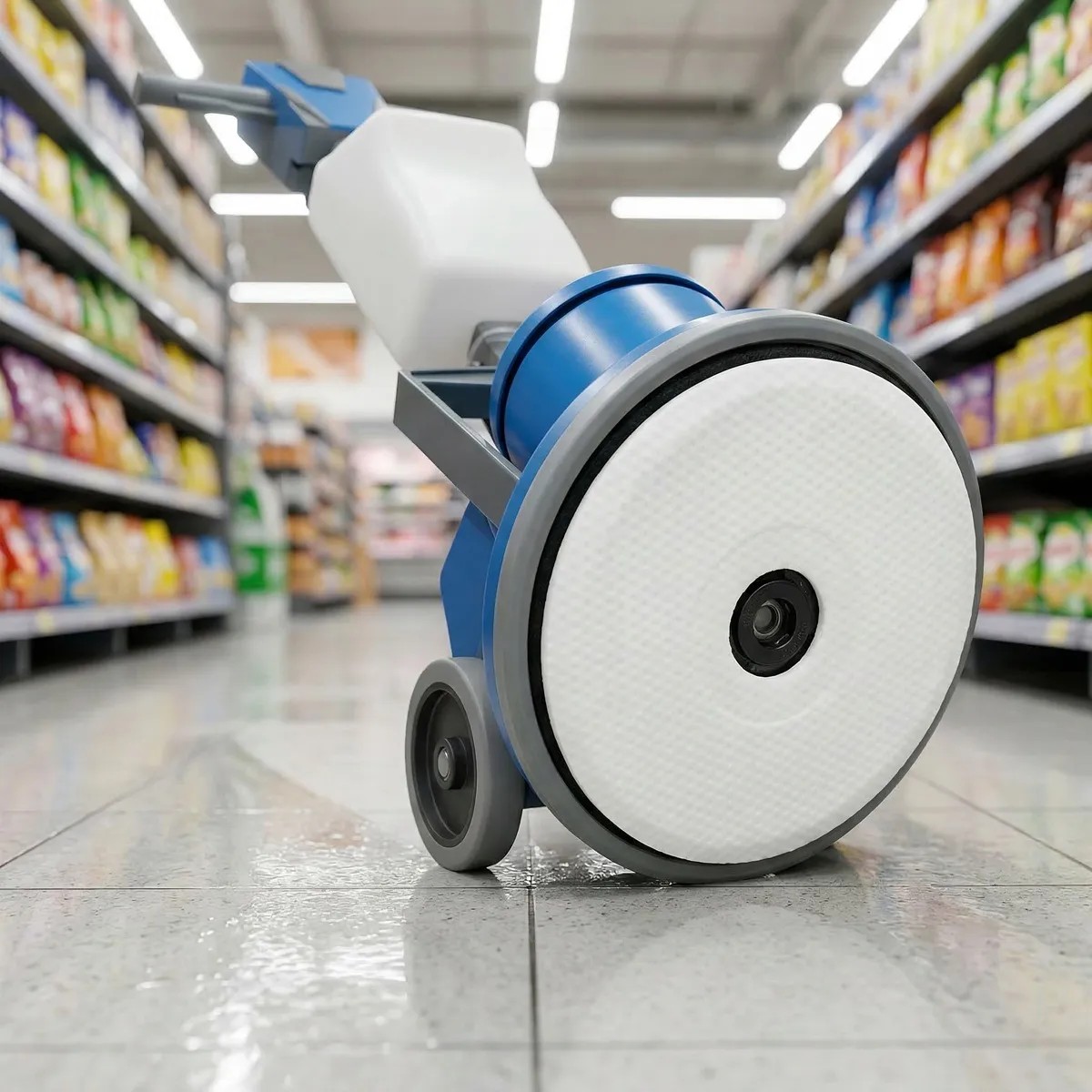
Melamine sponge can be cut and compounded into disc polishing pads for floor washing machines. Larger sponge pad formats, such as 17 inch pad options, are useful for floor cleaning tasks where the site needs a lighter cleaning approach and good surface contact.
Bulk Buying Notes for Cleaning Contractors
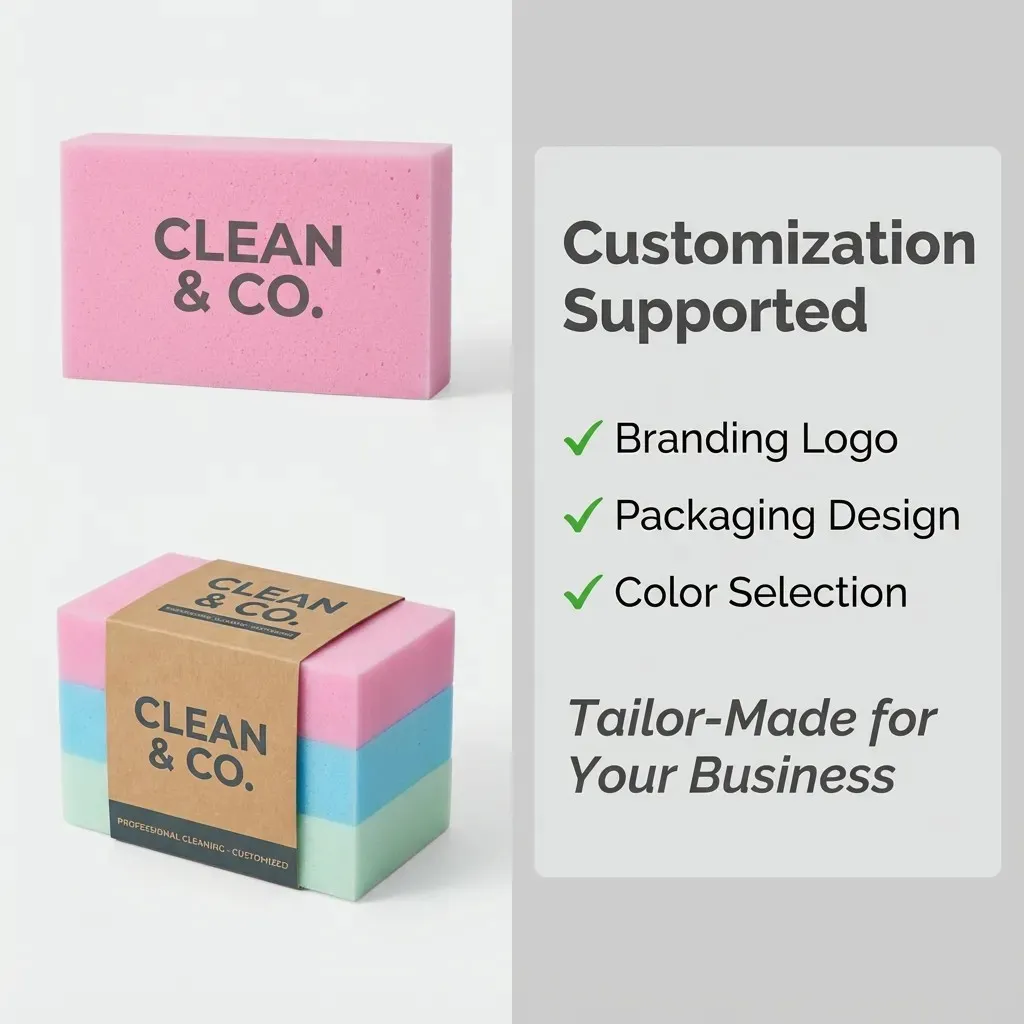
For professional teams, product form affects cost. Normal density blocks suit daily spot cleaning. Compressed sponges are more durable for heavier tasks. Thin eraser sheets are useful for disposable or controlled-use kits. If you need OEM packing, private label cartons, or project-based supply, ask FoamTech for block size, density, packing count, and sample options before placing a larger order.
FAQ
Q1: Can a melamine cleaning sponge replace detergent in every cleaning task?
A: No. It can clean many surface marks with water alone, but grease-heavy, disinfecting, or mineral-scale jobs may still need proper chemicals. Use it as a detail tool, not a full cleaning system.
Q2: Will it scratch surfaces?
A: It can scratch delicate coatings if used with too much pressure. Always test on painted, glossy, coated, soft plastic, or leather surfaces before full use.
Q3: How should professional cleaners use it for best results?
A: Soak it fully, squeeze out extra water, wipe in one direction, rinse often, and replace it when it starts breaking apart. Cutting it into smaller pieces can also reduce waste.
Q4: Which areas are most suitable for daily commercial cleaning?
A: Ceramic tile edges, sinks, plastic chairs, office desks, printer shells, glass corners, hardware, and some appliance exteriors are common matches. Avoid hot surfaces and electrical openings.
Q5: Why should B2B buyers consider Melamine Sponge Cleaner Blocks for cleaning teams?
A: Melamine Sponge Cleaner Blocks are easy to cut, simple to train staff on, and useful across many small cleaning tasks. For distributors and contractors, custom size and packing options can also make stock control easier.
There are so many small marks left after a professional cleaning has been completed. The rim of a sink may have grey stains, pens may have been wiped down leaving marks on desks, washrooms may have been disinfected but the edges of the tile look old and grimy. These marks can be removed by a melamine sponge as they are able to clean with water, physically remove the dirt from surfaces and can even be cut to size to fit into small areas and to clean around awkward shaped objects saving a lot of time and effort.
1. Stainless Steel Sink Touch Ups without Heavy Chemical Smell
Stainless steel sinks in offices, cafés, clinics and shared kitchens all develop water marks, tea stains, grease lines and unsightly black marks around the drain. Usually strong chemicals are not used as they are still a busy site with staff and visitors.
Why It Helps on Dull Marks
A damp melamine sponge works by light physical friction. Surface dirt can be picked up without the need of detergent, great for a quick clean in between other deep cleaning tasks. Simple method to use the sponges practical way: Soak, wring out as much water as possible, wipe, rinse after use.
How to Use It Safely
Clear away food grit first. Scratches on stainless steel surface made with grit can be removed. Wipe in the direction of the stainless steel’s longitudinal fibers in a light manner and cease once the scratch mark disappears. When removing limescale from surfaces, treat the mineral deposit first and then clean the remaining residue with the sponge. It is more important than most people believe that this sequence of action is reversed.
2. Ceramic Tile Edges and Grout Lines in Busy Washrooms
Washroom cleaning is not only about the toilet bowl and floor. Corners around basins, urinals, bathtubs, and wall tiles often hold grey marks that normal cloths smear rather than remove. This is where Melamine Sponge Cleaner Blocks fit professional daily cleaning kits.
Best Spots to Use It
Use the cut pieces of sponge for cleaning around tile edges, basin rims, mop sink marks, and bathtub scuffs. The sponge is ideal for use on ceramic surfaces as it can reach into all the small uneven areas without having to resort to using a large brush head.
Simple Working Rule
Keep the sponge wet but not dripping. Wipe in one direction where possible. Rinse the sponge often, or the lifted dirt will move back onto the surface. On older grout, test a small area first. Grout can be weak, and no tool should be treated like magic on damaged surfaces.
3. Office Desk Marks, Keyboards, and Printer Shells
Commercial cleaners often get asked to remove pen marks, hand grime, and grey edge stains from office furniture. These marks look minor, but clients notice them during handover checks.
Small Cuts for Tight Spots
A key advantage is free cutting. You can cut one block into smaller pieces for desk corners, keyboard outer shells, telephone buttons, copier panels, and printer covers. A 10 × 7 × 3 cm style block is easy to divide for this kind of detail work.
Electronics Need Care
Use only a lightly damp piece. Power off equipment where needed, and never push water into openings. For keyboards, clean the top surface and outer edges, not the internal parts. It sounds obvious, but on a rushed shift, obvious rules prevent expensive mistakes.
4. Door Glass, Lamp Covers, and Decorative Fixtures
Glasswork in hotels, schools, and commercial buildings collects fingerprints, tape residue, fly spots, and grey dust around frames. A normal microfiber cloth may polish the center area but leave the edges looking tired. For larger cleaning teams, the service page can help match product form with use frequency.
Where It Performs Well
A damp melamine sponge can help clean door glass edges, window glass corners, vases, lampshades, and decorative glass pieces. It is not meant to replace glass cleaner for the final shine. Use it first for stuck dirt, then finish with a clean cloth.
Surface Checks before Bulk Use
Avoid aggressive rubbing on coated, tinted, painted, or printed glass. Test a hidden corner first. If the surface has a soft coating, use a gentler cloth instead. Professional cleaning is also about knowing when not to use a tool.
5. Plastic Chairs, Trash Bins, and Children’s Area Items
Black shoe marks, crayon lines, sticky finger marks and dust scratches on plastic surfaces show up very easily. Black marks on clean areas of schools, clinics, gyms and shared kitchens’ surfaces can be very difficult to remove and quickly make an area look unclean.
Good Matches for Plastic Cleaning
Use the sponge on plastic tables, chairs, trash bins, shower room panels, plastic window frames, and hard toy surfaces. Because it can clean with water alone, it helps reduce worries about detergent residue on frequently touched areas.
Color Transfer Checks
Some colored plastics, painted plastics, or low-cost printed surfaces may lose color under rubbing. Start with low pressure. If the sponge turns the same color as the item, stop. This is a small detail, but it protects both the cleaner and the client relationship.
6. Leather Seats and Vehicle Interior Trim
Vehicle interiors and leather furniture collect denim transfer, hand oils, shoe marks, and dust in seams. These areas are common in hotels, transport fleets, waiting rooms, and office lounges.
Light Pressure Only
Use a damp, squeezed sponge and clean a small section at a time. Do not scrub hard. Melamine foam can be effective, but leather surfaces need a softer hand than tile or ceramic.
Aftercare Still Matters
After cleaning leather, apply proper leather care if the site requires it. The sponge removes surface dirt, but it does not condition leather. For car interiors, steering-adjacent trim, door panels, and seat backs, test first and keep the work slow. Not glamorous, but it works.
7. Floor Machine Detail Pads and Marble Edge Polishing
Large floor work usually calls for machines, pads, and planned maintenance. Still, detail areas near skirting, corners, and stone edges often need extra attention after the main pass.
Disc Pad Applications
Melamine sponge can be cut and compounded into disc polishing pads for floor washing machines. Larger sponge pad formats, such as 17 inch pad options, are useful for floor cleaning tasks where the site needs a lighter cleaning approach and good surface contact.
Bulk Buying Notes for Cleaning Contractors
For professional teams, product form affects cost. Normal density blocks suit daily spot cleaning. Compressed sponges are more durable for heavier tasks. Thin eraser sheets are useful for disposable or controlled-use kits. If you need OEM packing, private label cartons, or project-based supply, ask FoamTech for block size, density, packing count, and sample options before placing a larger order.
FAQ
Q1: Can a melamine cleaning sponge replace detergent in every cleaning task?
A: No. It can clean many surface marks with water alone, but grease-heavy, disinfecting, or mineral-scale jobs may still need proper chemicals. Use it as a detail tool, not a full cleaning system.
Q2: Will it scratch surfaces?
A: It can scratch delicate coatings if used with too much pressure. Always test on painted, glossy, coated, soft plastic, or leather surfaces before full use.
Q3: How should professional cleaners use it for best results?
A: Soak it fully, squeeze out extra water, wipe in one direction, rinse often, and replace it when it starts breaking apart. Cutting it into smaller pieces can also reduce waste.
Q4: Which areas are most suitable for daily commercial cleaning?
A: Ceramic tile edges, sinks, plastic chairs, office desks, printer shells, glass corners, hardware, and some appliance exteriors are common matches. Avoid hot surfaces and electrical openings.
Q5: Why should B2B buyers consider Melamine Sponge Cleaner Blocks for cleaning teams?
A: Melamine Sponge Cleaner Blocks are easy to cut, simple to train staff on, and useful across many small cleaning tasks. For distributors and contractors, custom size and packing options can also make stock control easier.
Related Recommendations


Family owned company, globalleader in development andmanufacturing of home careproducts for private label andcontract manufacturing
Copyright © 2026 FoamTech (Zhejiang) New Materials Co., Ltd.