How Can a 3-Layer Wood Pulp Sponge Reduce Scrubbing Effort and Replacement Costs
2026-07-06
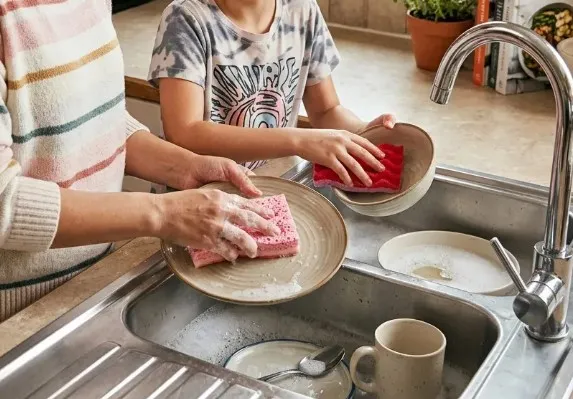
Most consumers purchasing cleaning sponges do not pay much attention to specific features. They primarily want to be able to minimize complaints and above all to use the sponges for as long as possible. Appearance on the shelves also plays a role. Last but not least, the cleaning sponge should not fall apart during tough cleaning work. Our 3-layer wood pulp sponges meet all the requirements very easily: instead of putting all the pressure on a single sponge, each layer is designed for specific cleaning work. Soft wiping, holding water and scrubbing are all combined in one extremely practical sponge.
For importers, retailers, cleaning service suppliers, and private label brands, that structure matters. Scrubbing effort affects user satisfaction. Sponge lifespan affects reorder logic. Packaging and stable supply affect margins. A good sponge is not only a kitchen item. It is a repeat-purchase product that quietly decides whether customers buy again.
Why Does a 3-Layer Sponge Clean Faster Than a Basic Sponge?
A basic sponge often has one material doing all the work. It absorbs water, wipes dishes, and tries to remove burnt residue. That sounds convenient, but it usually means compromise. It may be soft enough for daily wiping but too weak for grease. Or it may be rough enough for pots but poor at holding water.
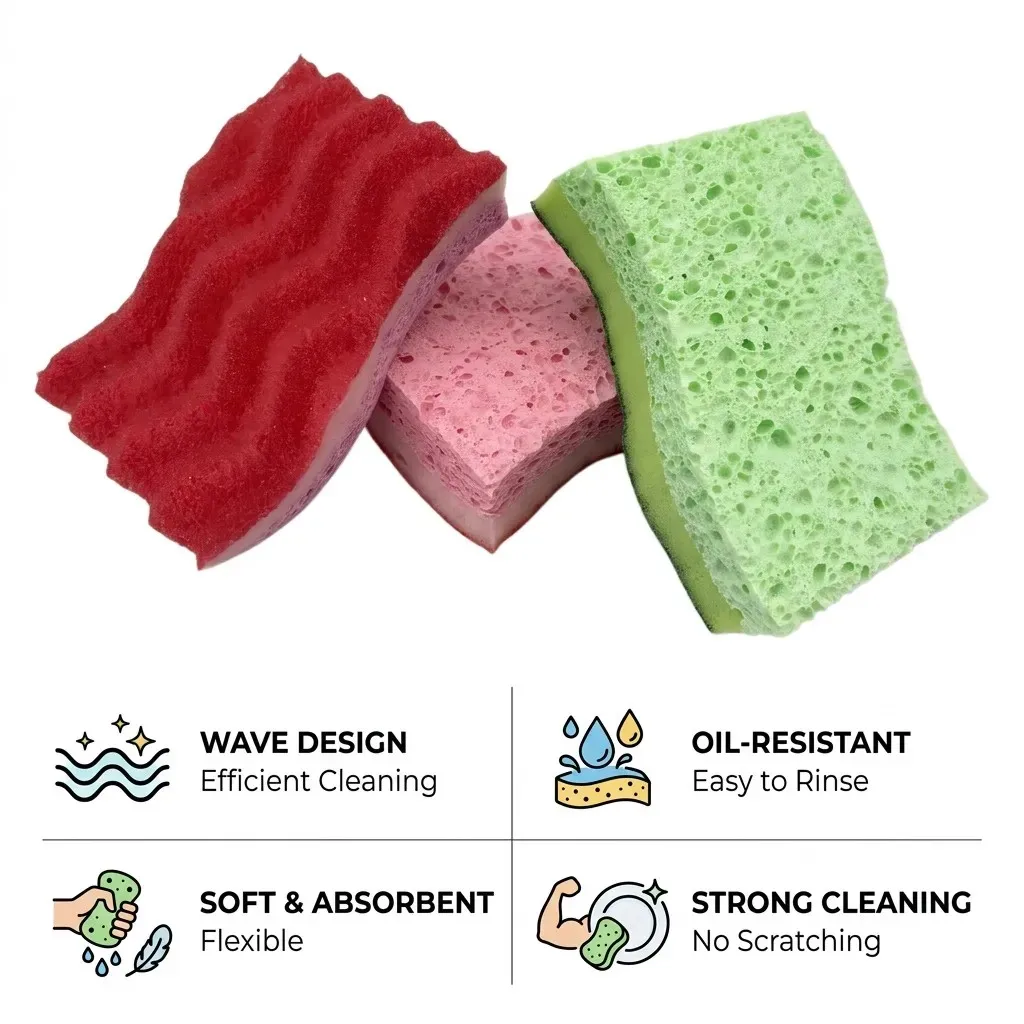
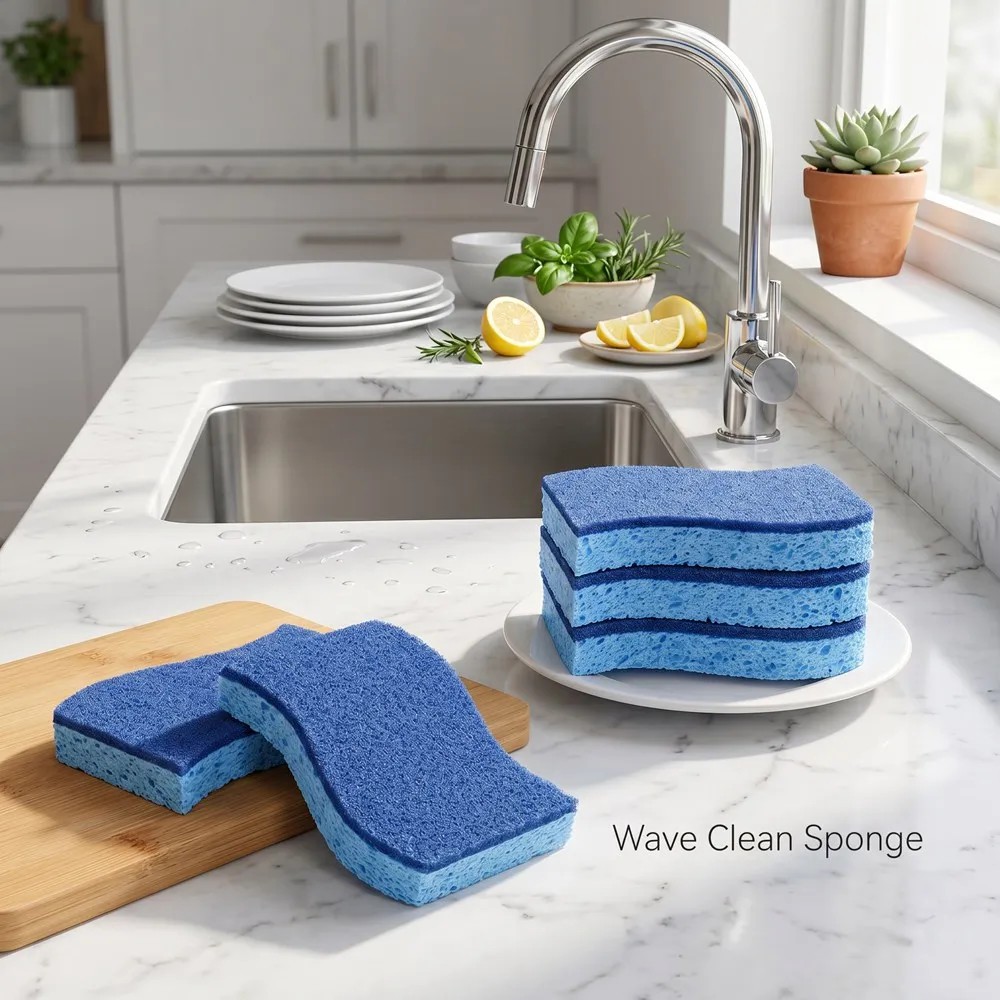
A 3-layer structure separates these jobs. The upper wood pulp layer helps with wiping and moisture control. The inner sponge layer gives cushioning and water holding. The abrasive layer deals with stuck dirt. This is why a well-built S-Shaped 3-Layer Wood Pulp Sponge can cut repeated scrubbing on grease, pot marks, range hoods, faucet spots, and similar heavy cleaning tasks.
Layered Cleaning Reduces Repeated Motion
Repeated motion is where users get tired. One pass does not remove the stain, so they press harder. Then the sponge bends, collapses, or sheds. Not great.
A 3-layer sponge gives users more bite at the cleaning surface. The abrasive emery side helps lift burnt-on food, rust marks, oxidation, and thick grime. The pulp side holds moisture for wiping and rinsing. The middle layer gives the sponge body, so pressure spreads more evenly through the hand.
For B2B buyers, this is not only comfort talk. Less repeated motion can mean:
· fewer negative product reviews
· fewer complaints about “weak cleaning”
· better fit for restaurants, rental homes, and cleaning kits
· stronger value perception at retail price
S-Shaped Grip Helps During Longer Cleaning
The S-shaped profile is not just a design detail. It gives fingers a more natural holding point. In real use, users often fold or pinch flat sponges to scrub corners. That shortens sponge life and makes the edge break faster.
An S-shaped sponge sits better in the hand. It helps users clean curved pot edges, sink corners, faucet bases, and greasy hood edges with less slipping. For cleaning service teams, this small shape difference is quite practical. A cleaner using dozens of sponges each week will notice grip comfort faster than a casual household user.
How Does Material Choice Affect Replacement Cost?
Replacement cost is not only the unit price. A cheap sponge can look good in a quotation, then lose margin after users replace it too often. Import buyers know this problem. The first order is easy. Repeat sales depend on whether the sponge keeps its shape, layers stay bonded, and abrasive particles do not shed badly.
The product page for this category highlights high density emery particles, long lasting materials, and factory grade abrasive power. These details matter because heavy duty cleaning creates friction, heat, and repeated wringing. Poor lamination fails quickly here.
Wood Pulp Adds Absorbency Without Making the Sponge Bulky
Wood pulp sponge material is valued because it absorbs water well and feels more natural than many synthetic wiping surfaces. For kitchen use, that means easier wet wiping and faster rinsing between tasks.
The sponge does not need to be thick just for the sake of looking large. A buyer should care more about useful structure. Does it hold enough water? Does it rinse out? Does it dry reasonably well? Does it stay flat after being squeezed? These are boring questions, but they decide reviews.
Emery Abrasive Cuts Heavy Dirt Faster
For burnt-on pot stains, range hood grease, grill marks, and rusty metal spots, soft cellulose alone is not enough. The emery layer adds cutting power. It works like a controlled abrasive surface.
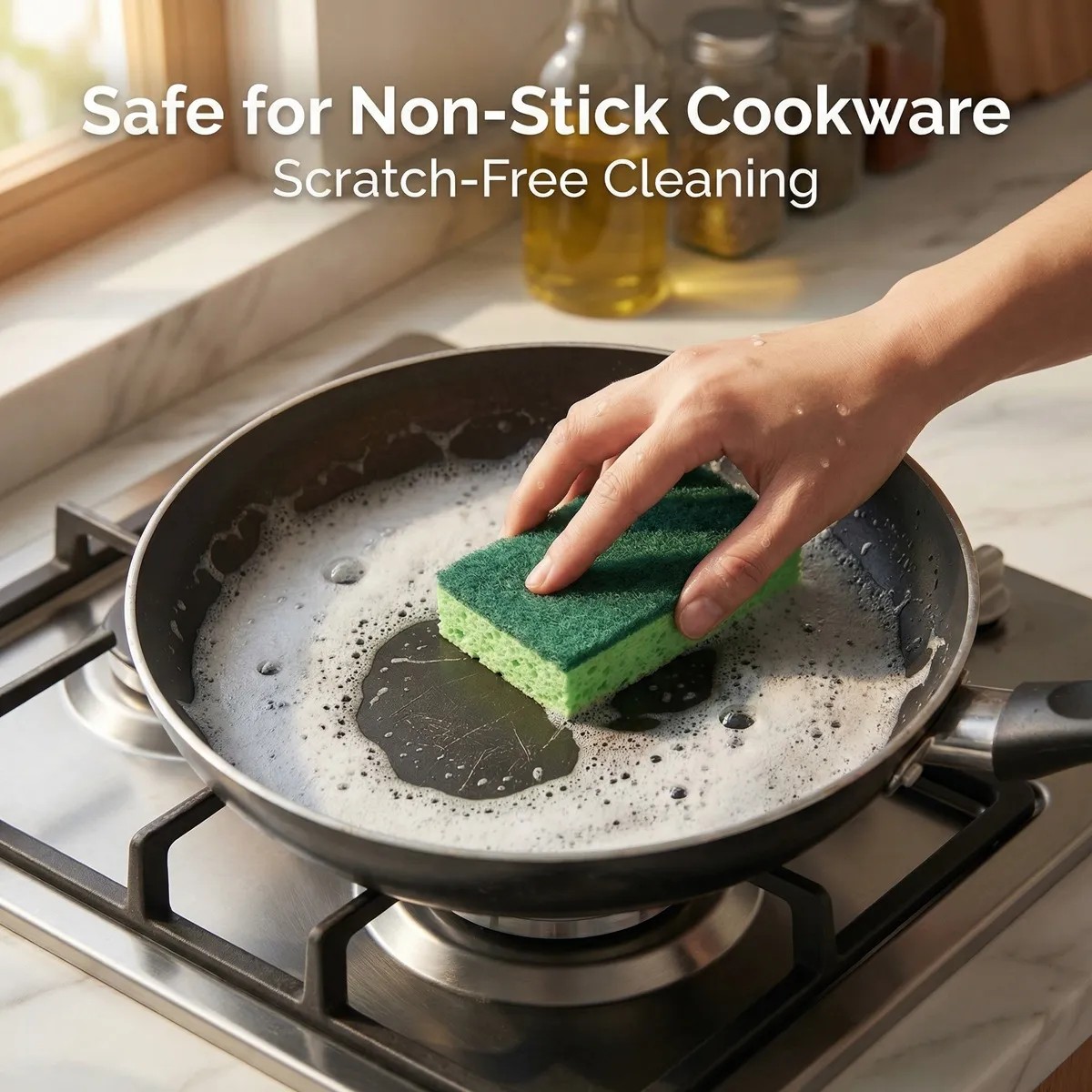
This is also where correct user guidance matters. Emery sponges are made for tough surfaces, not delicate coatings. They should not be used on non-stick pans, polished mirror finishes, delicate plastics, or premium glassware. With stainless steel sinks, users should test a small area first and clean with the grain when surface finish matters. That one line in packaging can save a lot of after-sales trouble.
What Should Bulk Buyers Check Before Ordering?
A sponge may look simple, but B2B buying is rarely simple. The same item may be sold through supermarkets, dollar stores, hardware channels, online bundles, cleaning service kits, or restaurant supply distributors. Each channel needs a different pack count, instruction style, and claim level.
FoamTech positions its sponge range for both home and business use, with factory direct wholesale, custom branding, and bulk order support. That is useful for buyers who need more than a plain carton of loose sponges.
Check Density, Grit, and Bonding Method
For a 3-layer wood pulp sponge, three specs deserve attention before price negotiation:
· density of the sponge body
· grit level of the abrasive surface
· bonding method between layers
Some sponge products in the knowledge base list 8kg/m³±1 for normal density cleaning sponges and 12kg/m³±1 for compressed or S-shaped sponge products. That gives buyers a starting point for comparing softness, body strength, and durability.
Grit choice also matters. A rougher grit can clean faster, but it may be too aggressive for general kitchen retail. A moderate grit works better for mass market use. For hardware or industrial cleaning channels, stronger grit may be acceptable.
Bonding is another hidden cost factor. If the outer layer peels from the inner sponge, the user sees the product as cheap, even if the first cleaning result was good. Strong thermal bonding or stable lamination helps reduce this risk during hot water use, wringing, and repeated friction.
Ask for Custom Packing Early
Private label buyers should not leave packaging to the end. Sponge size, pack count, hanging hole, barcode area, safety instructions, and carton quantity all affect the final cost.
The custom service page shows support for label design, barcodes, QR codes, product specification sheets, safety data sheets, and private label service. That helps if you sell through online platforms or retail chains where product information must be clear.
A small human note here: many sponge projects get delayed not because the sponge is difficult, but because the buyer confirms packaging too late. Artwork, carton size, and instruction language always take more time than expected.
Where Can This Sponge Fit in Real Cleaning Categories?
A strong sponge should not be sold with vague claims like “for everything.” That sounds attractive, but it causes misuse. Better category planning makes the product easier to sell and easier to explain.
FoamTech shows experience in foam products and custom solutions. For buyers, that means the product can be placed into more focused cleaning ranges instead of one generic sponge shelf.
Kitchen Heavy Grease and Burnt Residue
The strongest fit is kitchen heavy cleaning. Pots, pans without delicate coating, oven trays, stovetop edges, stainless steel sinks with suitable finish, greasy range hoods, and grill accessories are strong use cases.
The sales angle can be direct:
· Less pressure on burnt stains
· Better grip for greasy hands
· Rinse and reuse after cleaning
· One sponge for wiping and scrubbing
Bathroom Scale, Faucet Spots, and Utility Areas
The sponge can also work for bathroom scale, tile marks, faucet water spots, and laundry room grime. For these surfaces, the user should still test first. Some decorative finishes scratch easily. Clear instructions make the product feel more professional, not less powerful.
Commercial and Bulk Cleaning Kits
Cleaning service companies, restaurants, rental property teams, and hardware stores often need practical products with stable replacement cycles. The bulk order inquiry page gives buyers a direct path to confirm product size, pack form, MOQ, lead time, and shipment terms.
For these channels, a 3-layer wood pulp sponge can be sold as a cost control tool. Not fancy. Just useful. It reduces the need for multiple single-purpose sponges and gives staff one item for wiping, soaking, and scrubbing.
How Can You Reduce Complaints After Selling It?
A heavy duty sponge needs honest instructions. Overselling creates returns. Clear use guidance creates trust.
The basic use method is simple: wet the sponge, squeeze out excess water, scrub with the right side, rinse after use, and air dry. For tough stains, let water sit on the dirt for a short time before scrubbing. That softens residue and reduces pressure. For delicate surfaces, test first.
Add Clear Warnings on the Pack
If the sponge includes an emery abrasive layer, packaging should clearly say:
· Not for non-stick coating
· Not for polished mirror surfaces
· Not for delicate plastic
· Test first on unknown surfaces
· Rinse after use and air dry
This does not weaken the product. It makes the product look more reliable. Serious buyers prefer honest labels because they reduce after-sales work.
Match Sponge Type to Sales Channel
For supermarket daily cleaning, use a balanced grit and family-friendly instructions. For restaurants and workshops, focus on heavy grease, rust, and burnt residue. For online bundles, add clear product photos, usage notes, and surface warnings. A small spec card inside a multipack can help too.
FAQ
Q1: How Does a 3-Layer Wood Pulp Sponge Reduce Scrubbing Effort?
A: It separates cleaning work by layer. The wood pulp side helps with wiping and moisture, the middle layer gives support, and the emery side cuts through tough grime. Users do not need to press as hard as they often do with a basic sponge.
Q2: Can This Sponge Help Lower Replacement Costs?
A: Yes, when the layers are well bonded and the abrasive surface is made for heavy use. A stronger sponge lasts longer across repeated cleaning, rinsing, and wringing, so users replace it less often.
Q3: Is an Emery Sponge Safe for All Kitchen Surfaces?
A: No. It is made for tough stains and hard surfaces. Do not use it on non-stick coatings, polished mirror finishes, delicate plastics, or premium glassware. Always test first when the surface is uncertain.
Q4: What Should Importers Check Before Buying in Bulk?
A: Check sponge density, grit level, layer bonding, size, pack count, carton packing, MOQ, lead time, and available documents such as SDS or chemical compliance records. These details affect both cost and customer complaints.
Q5: Can This Product Support Private Label Orders?
A: Yes. Buyers can request custom packaging, logos, barcodes, QR codes, specification sheets, and different pack styles. Confirm artwork and packing requirements early because packaging often affects lead time more than expected.
Most consumers purchasing cleaning sponges do not pay much attention to specific features. They primarily want to be able to minimize complaints and above all to use the sponges for as long as possible. Appearance on the shelves also plays a role. Last but not least, the cleaning sponge should not fall apart during tough cleaning work. Our 3-layer wood pulp sponges meet all the requirements very easily: instead of putting all the pressure on a single sponge, each layer is designed for specific cleaning work. Soft wiping, holding water and scrubbing are all combined in one extremely practical sponge.
For importers, retailers, cleaning service suppliers, and private label brands, that structure matters. Scrubbing effort affects user satisfaction. Sponge lifespan affects reorder logic. Packaging and stable supply affect margins. A good sponge is not only a kitchen item. It is a repeat-purchase product that quietly decides whether customers buy again.
Why Does a 3-Layer Sponge Clean Faster Than a Basic Sponge?
A basic sponge often has one material doing all the work. It absorbs water, wipes dishes, and tries to remove burnt residue. That sounds convenient, but it usually means compromise. It may be soft enough for daily wiping but too weak for grease. Or it may be rough enough for pots but poor at holding water.
A 3-layer structure separates these jobs. The upper wood pulp layer helps with wiping and moisture control. The inner sponge layer gives cushioning and water holding. The abrasive layer deals with stuck dirt. This is why a well-built S-Shaped 3-Layer Wood Pulp Sponge can cut repeated scrubbing on grease, pot marks, range hoods, faucet spots, and similar heavy cleaning tasks.
Layered Cleaning Reduces Repeated Motion
Repeated motion is where users get tired. One pass does not remove the stain, so they press harder. Then the sponge bends, collapses, or sheds. Not great.
A 3-layer sponge gives users more bite at the cleaning surface. The abrasive emery side helps lift burnt-on food, rust marks, oxidation, and thick grime. The pulp side holds moisture for wiping and rinsing. The middle layer gives the sponge body, so pressure spreads more evenly through the hand.
For B2B buyers, this is not only comfort talk. Less repeated motion can mean:
· fewer negative product reviews
· fewer complaints about “weak cleaning”
· better fit for restaurants, rental homes, and cleaning kits
· stronger value perception at retail price
S-Shaped Grip Helps During Longer Cleaning
The S-shaped profile is not just a design detail. It gives fingers a more natural holding point. In real use, users often fold or pinch flat sponges to scrub corners. That shortens sponge life and makes the edge break faster.
An S-shaped sponge sits better in the hand. It helps users clean curved pot edges, sink corners, faucet bases, and greasy hood edges with less slipping. For cleaning service teams, this small shape difference is quite practical. A cleaner using dozens of sponges each week will notice grip comfort faster than a casual household user.
How Does Material Choice Affect Replacement Cost?
Replacement cost is not only the unit price. A cheap sponge can look good in a quotation, then lose margin after users replace it too often. Import buyers know this problem. The first order is easy. Repeat sales depend on whether the sponge keeps its shape, layers stay bonded, and abrasive particles do not shed badly.
The product page for this category highlights high density emery particles, long lasting materials, and factory grade abrasive power. These details matter because heavy duty cleaning creates friction, heat, and repeated wringing. Poor lamination fails quickly here.
Wood Pulp Adds Absorbency Without Making the Sponge Bulky
Wood pulp sponge material is valued because it absorbs water well and feels more natural than many synthetic wiping surfaces. For kitchen use, that means easier wet wiping and faster rinsing between tasks.
The sponge does not need to be thick just for the sake of looking large. A buyer should care more about useful structure. Does it hold enough water? Does it rinse out? Does it dry reasonably well? Does it stay flat after being squeezed? These are boring questions, but they decide reviews.
Emery Abrasive Cuts Heavy Dirt Faster
For burnt-on pot stains, range hood grease, grill marks, and rusty metal spots, soft cellulose alone is not enough. The emery layer adds cutting power. It works like a controlled abrasive surface.
This is also where correct user guidance matters. Emery sponges are made for tough surfaces, not delicate coatings. They should not be used on non-stick pans, polished mirror finishes, delicate plastics, or premium glassware. With stainless steel sinks, users should test a small area first and clean with the grain when surface finish matters. That one line in packaging can save a lot of after-sales trouble.
What Should Bulk Buyers Check Before Ordering?
A sponge may look simple, but B2B buying is rarely simple. The same item may be sold through supermarkets, dollar stores, hardware channels, online bundles, cleaning service kits, or restaurant supply distributors. Each channel needs a different pack count, instruction style, and claim level.
FoamTech positions its sponge range for both home and business use, with factory direct wholesale, custom branding, and bulk order support. That is useful for buyers who need more than a plain carton of loose sponges.
Check Density, Grit, and Bonding Method
For a 3-layer wood pulp sponge, three specs deserve attention before price negotiation:
· density of the sponge body
· grit level of the abrasive surface
· bonding method between layers
Some sponge products in the knowledge base list 8kg/m³±1 for normal density cleaning sponges and 12kg/m³±1 for compressed or S-shaped sponge products. That gives buyers a starting point for comparing softness, body strength, and durability.
Grit choice also matters. A rougher grit can clean faster, but it may be too aggressive for general kitchen retail. A moderate grit works better for mass market use. For hardware or industrial cleaning channels, stronger grit may be acceptable.
Bonding is another hidden cost factor. If the outer layer peels from the inner sponge, the user sees the product as cheap, even if the first cleaning result was good. Strong thermal bonding or stable lamination helps reduce this risk during hot water use, wringing, and repeated friction.
Ask for Custom Packing Early
Private label buyers should not leave packaging to the end. Sponge size, pack count, hanging hole, barcode area, safety instructions, and carton quantity all affect the final cost.
The custom service page shows support for label design, barcodes, QR codes, product specification sheets, safety data sheets, and private label service. That helps if you sell through online platforms or retail chains where product information must be clear.
A small human note here: many sponge projects get delayed not because the sponge is difficult, but because the buyer confirms packaging too late. Artwork, carton size, and instruction language always take more time than expected.
Where Can This Sponge Fit in Real Cleaning Categories?
A strong sponge should not be sold with vague claims like “for everything.” That sounds attractive, but it causes misuse. Better category planning makes the product easier to sell and easier to explain.
FoamTech shows experience in foam products and custom solutions. For buyers, that means the product can be placed into more focused cleaning ranges instead of one generic sponge shelf.
Kitchen Heavy Grease and Burnt Residue
The strongest fit is kitchen heavy cleaning. Pots, pans without delicate coating, oven trays, stovetop edges, stainless steel sinks with suitable finish, greasy range hoods, and grill accessories are strong use cases.
The sales angle can be direct:
· Less pressure on burnt stains
· Better grip for greasy hands
· Rinse and reuse after cleaning
· One sponge for wiping and scrubbing
Bathroom Scale, Faucet Spots, and Utility Areas
The sponge can also work for bathroom scale, tile marks, faucet water spots, and laundry room grime. For these surfaces, the user should still test first. Some decorative finishes scratch easily. Clear instructions make the product feel more professional, not less powerful.
Commercial and Bulk Cleaning Kits
Cleaning service companies, restaurants, rental property teams, and hardware stores often need practical products with stable replacement cycles. The bulk order inquiry page gives buyers a direct path to confirm product size, pack form, MOQ, lead time, and shipment terms.
For these channels, a 3-layer wood pulp sponge can be sold as a cost control tool. Not fancy. Just useful. It reduces the need for multiple single-purpose sponges and gives staff one item for wiping, soaking, and scrubbing.
How Can You Reduce Complaints After Selling It?
A heavy duty sponge needs honest instructions. Overselling creates returns. Clear use guidance creates trust.
The basic use method is simple: wet the sponge, squeeze out excess water, scrub with the right side, rinse after use, and air dry. For tough stains, let water sit on the dirt for a short time before scrubbing. That softens residue and reduces pressure. For delicate surfaces, test first.
Add Clear Warnings on the Pack
If the sponge includes an emery abrasive layer, packaging should clearly say:
· Not for non-stick coating
· Not for polished mirror surfaces
· Not for delicate plastic
· Test first on unknown surfaces
· Rinse after use and air dry
This does not weaken the product. It makes the product look more reliable. Serious buyers prefer honest labels because they reduce after-sales work.
Match Sponge Type to Sales Channel
For supermarket daily cleaning, use a balanced grit and family-friendly instructions. For restaurants and workshops, focus on heavy grease, rust, and burnt residue. For online bundles, add clear product photos, usage notes, and surface warnings. A small spec card inside a multipack can help too.
FAQ
Q1: How Does a 3-Layer Wood Pulp Sponge Reduce Scrubbing Effort?
A: It separates cleaning work by layer. The wood pulp side helps with wiping and moisture, the middle layer gives support, and the emery side cuts through tough grime. Users do not need to press as hard as they often do with a basic sponge.
Q2: Can This Sponge Help Lower Replacement Costs?
A: Yes, when the layers are well bonded and the abrasive surface is made for heavy use. A stronger sponge lasts longer across repeated cleaning, rinsing, and wringing, so users replace it less often.
Q3: Is an Emery Sponge Safe for All Kitchen Surfaces?
A: No. It is made for tough stains and hard surfaces. Do not use it on non-stick coatings, polished mirror finishes, delicate plastics, or premium glassware. Always test first when the surface is uncertain.
Q4: What Should Importers Check Before Buying in Bulk?
A: Check sponge density, grit level, layer bonding, size, pack count, carton packing, MOQ, lead time, and available documents such as SDS or chemical compliance records. These details affect both cost and customer complaints.
Q5: Can This Product Support Private Label Orders?
A: Yes. Buyers can request custom packaging, logos, barcodes, QR codes, specification sheets, and different pack styles. Confirm artwork and packing requirements early because packaging often affects lead time more than expected.
Related Recommendations


Family owned company, globalleader in development andmanufacturing of home careproducts for private label andcontract manufacturing
Copyright © 2026 FoamTech (Zhejiang) New Materials Co., Ltd.