Why the Hidden-Spot Test Matters Before Using a Magic Eraser Sponge on Delicate Surfaces
2026-06-15
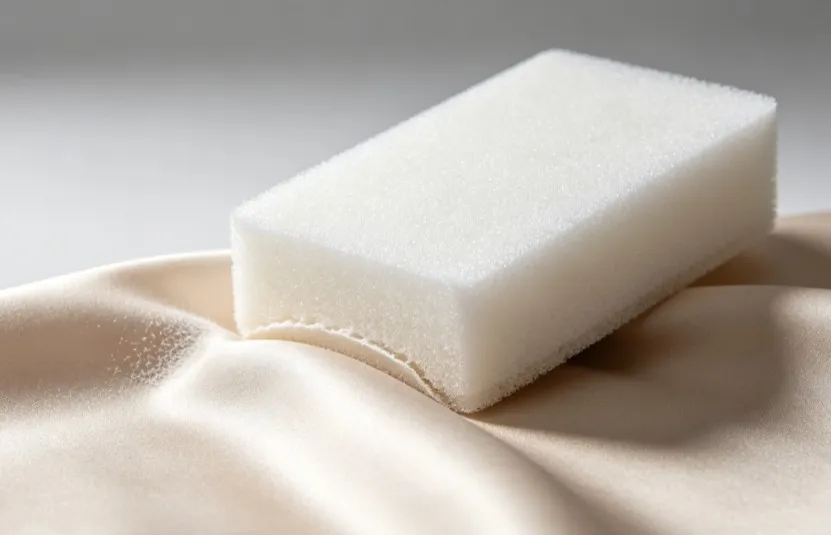
Welcome to the practical side of modern household maintenance. At FoamTech, striking the right balance between tough stain removal and surface protection drives daily decisions. Handling stubborn kitchen grease or sensitive car interiors safely takes a bit of practical know-how. If you want to dive deeper into the background of these tools, head over to the About Us page. For bulk requirements or commercial inquiries, checking the Service offerings will point you in the right direction.
The Science Behind Melamine Foam
Grasping how these white blocks operate helps clarify why they act like magic on some stains and cause damage on others. It basically comes down to the microscopic architecture of the material itself. Understanding this structure also shows why the sponge works well in certain spots but needs care in others.
How Open-Cell Structures Work
These sponges rely on a unique three-dimensional network structure. When you look under an electron microscope, the porosity reaches up to 99 percent. Each tiny pore diameter stays controlled strictly between 5 and 20 microns. It is actually kind of wild that a material first developed decades ago for completely different industrial purposes now sits under the kitchen sink. This specific geometric structure allows the sponge to capture 0.1 micron-level pollutant particles easily. The open cells create many small edges that grab dirt during wiping. In practice this means the sponge removes marks without extra cleaners in most cases.
Physical Friction Versus Chemical Dissolution
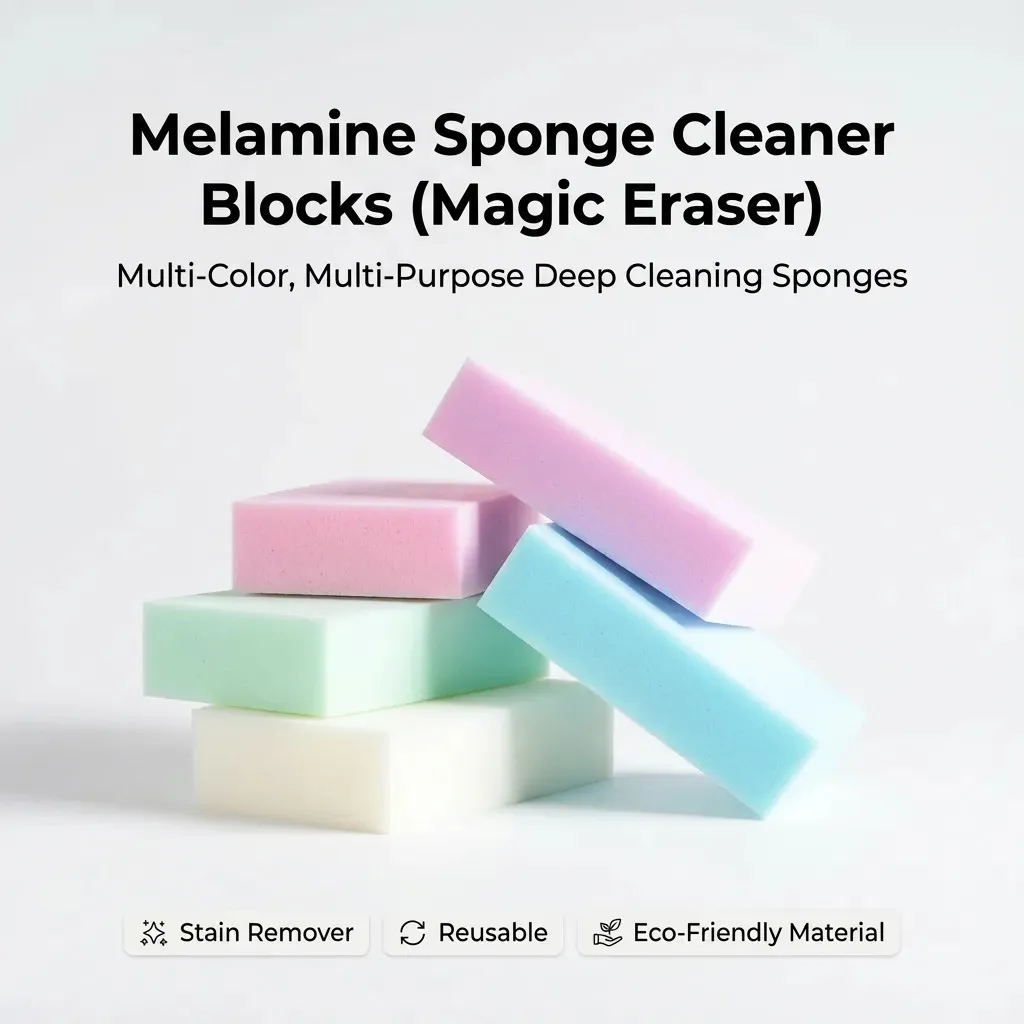
The core cleaning paradigm here relies entirely on physical friction instead of chemical dissolution. You do not need any harsh detergents. Simply soak the block with water to start. Products like the Melamine Sponge Cleaner Blocks act essentially as micro-sandpaper. They lift stubborn dirt out of microscopic grooves on surfaces like ceramics, plastic desk chairs, or even office supplies without adding chemicals. The friction breaks down the bond between the stain and the surface. This approach keeps the cleaning process simple and reduces residue on many items around the home.
Why Delicate Surfaces Need Extra Caution
The cleaning system is purely abrasive, so glossy, coated or soft surfaces are all at risk of damage. Don’t use the same cleaning system on painted wood cabinet as you would on a solid ceramic bowl for example.Treating painted wood cabinet the same as solid ceramic bowl for cleaning will no doubt lead to lots of regret. Extra care helps avoid unwanted changes to the finish over time.
The Micro-Abrasive Nature
The material has a hardness index of Shore A45 in a dry state. It softens significantly to Shore A28 when exposed to water. This softening property makes it highly effective at removing stains while lowering the risk of completely destroying base materials. In laboratory tests, the friction coefficient on a car's paint surface is around 0.15. While that is quite low compared to traditional scouring pads, it still removes microscopic layers of material. This is where a Multi-Purpose Magic Cleaning Sponge shines, provided you handle it with a light touch. The softening effect also improves contact with curved or uneven areas during use.
Common Vulnerable Materials
High-gloss plastics, leather car interiors, and polished hardware are examples of items that require extreme care when cleaning.If too much pressure is applied to a leather sofa with a scrubbing foam, for example, the abrasive action of the foam can strip through the top layer of sealant, compromising the leather’s finish. After wiping down any leatherware, a lubricating agent for leather should always be applied in order to allow it to perform its required maintenance functions, preventing dryness and subsequent cracking. These surfaces often lose their protective layer first because the foam works through direct contact. Checking the finish after each short session helps prevent deeper damage.
Executing the Hidden-Spot Test Effectively
Knowing the abrasive risks makes checking the material's reaction in an unseen location incredibly important. A proper test takes only a few minutes but saves the lifespan of your expensive furniture or appliances. This step also builds confidence before cleaning larger visible areas.
Selecting the Right Testing Area
Always pick a spot that stays out of daily view. For a leather car seat, use the lower back edge near the seat holster. For electrical appliances like a TV bezel or coffee machine, test the bottom corner facing the wall. The goal is simple. If the finish turns dull or cloudy, nobody will ever notice the mistake. Choosing a hidden spot also lets you observe how the surface reacts under normal lighting conditions later.
The Correct Application Technique
The method matters just as much as the location. Soak the sponge thoroughly and gently squeeze the excess water out. Do not twist or wring it heavily, as the foam can tear easily. Wipe the hidden spot in one direction using very light pressure. Let the area dry completely. Water sometimes masks micro-scratches, so you need to check the dry surface under direct light to confirm the finish remains intact. Repeating the wipe a second time with the same light touch shows whether any change appears gradually.
Safety and Environmental Attributes
Beyond physical abrasion, users frequently ask about the chemical safety of handling these blocks barehanded. The good news is that modern manufacturing processes keep toxicity concerns at bay. This makes the product suitable for regular home use without extra protective steps in most situations.
Skin Contact and Sensitization
During guinea pig skin sensitization tests using the standard GPMT method, the positive incidence of sensitization reaction was exactly 0 percent. Holding the sponge daily will not trigger allergic contact dermatitis for the vast majority of users. You can clean the house comfortably without gloves. The low reaction rate comes from the clean production process that avoids common irritants.
Regulatory Compliance
These foam blocks pass strict environmental testing. They meet the SVHC substance tests under EU REACH regulations, meaning the concentrations of very high concern substances are at or below 0.1 percent by weight. Formaldehyde & Heavy Metals FreeNo harmful additives or toxic heavy metals such as lead and cadmium are used in these masks. In addition, they are safe and environmentally friendly for normal household trash. Meeting these few simple criteria also allows for use in commercial environments where keeping safety records is critical.
FAQ
Q1: Do you need to use hot water to make the sponge work better?
A: No, regular tap water is perfectly fine. The softening of the cleaning material to a Shore A28 hardness when wet is sufficient to activate the cleaning functions of the sponge. Regular room-temperature water is sufficient for removing everyday marks from most surfaces. Some users prefer to use hot water for removing stubborn marks.
Q2: Can this sponge be used to clean food bowls and dishware?
A: Yes, it is highly effective for dirt on bowls, plates, cutlery, and tea sets. As with any cleaning, just rinse items to be cleaned off with water prior to using the sponge. Then after cleaning with the sponge, thoroughly rinse items cleaned with water to remove any small particles that the sponge picked up while cleaning.
Q3: Why does the sponge shrink and break apart during use?
A: It acts like a pencil eraser. The physical dirt removal process causes the nano-scale structure to wear down and slowly disintegrate. This gradual breakdown is normal and shows the sponge is doing its job on the stain.
Q4: Is it safe to wipe down a computer keyboard?
A: Yes, it works well on office supplies like computer keyboards, printers, and telephones. Remember to squeeze out excess water completely to prevent liquid from dripping into electronic components. Keeping the sponge only damp rather than wet helps protect the internal parts of devices.
Q5: Will the sponge catch fire easily if kept near the stove?
A: Modern high-quality melamine foam has a flame retardant grade of V-0 under the UL94 standard. It forms a dense carbonized layer when exposed to open flames rather than melting. This property adds a layer of safety in kitchen environments where heat sources are common.
Welcome to the practical side of modern household maintenance. At FoamTech, striking the right balance between tough stain removal and surface protection drives daily decisions. Handling stubborn kitchen grease or sensitive car interiors safely takes a bit of practical know-how. If you want to dive deeper into the background of these tools, head over to the About Us page. For bulk requirements or commercial inquiries, checking the Service offerings will point you in the right direction.
The Science Behind Melamine Foam
Grasping how these white blocks operate helps clarify why they act like magic on some stains and cause damage on others. It basically comes down to the microscopic architecture of the material itself. Understanding this structure also shows why the sponge works well in certain spots but needs care in others.
How Open-Cell Structures Work
These sponges rely on a unique three-dimensional network structure. When you look under an electron microscope, the porosity reaches up to 99 percent. Each tiny pore diameter stays controlled strictly between 5 and 20 microns. It is actually kind of wild that a material first developed decades ago for completely different industrial purposes now sits under the kitchen sink. This specific geometric structure allows the sponge to capture 0.1 micron-level pollutant particles easily. The open cells create many small edges that grab dirt during wiping. In practice this means the sponge removes marks without extra cleaners in most cases.
Physical Friction Versus Chemical Dissolution
The core cleaning paradigm here relies entirely on physical friction instead of chemical dissolution. You do not need any harsh detergents. Simply soak the block with water to start. Products like the Melamine Sponge Cleaner Blocks act essentially as micro-sandpaper. They lift stubborn dirt out of microscopic grooves on surfaces like ceramics, plastic desk chairs, or even office supplies without adding chemicals. The friction breaks down the bond between the stain and the surface. This approach keeps the cleaning process simple and reduces residue on many items around the home.
Why Delicate Surfaces Need Extra Caution
The cleaning system is purely abrasive, so glossy, coated or soft surfaces are all at risk of damage. Don’t use the same cleaning system on painted wood cabinet as you would on a solid ceramic bowl for example.Treating painted wood cabinet the same as solid ceramic bowl for cleaning will no doubt lead to lots of regret. Extra care helps avoid unwanted changes to the finish over time.
The Micro-Abrasive Nature
The material has a hardness index of Shore A45 in a dry state. It softens significantly to Shore A28 when exposed to water. This softening property makes it highly effective at removing stains while lowering the risk of completely destroying base materials. In laboratory tests, the friction coefficient on a car's paint surface is around 0.15. While that is quite low compared to traditional scouring pads, it still removes microscopic layers of material. This is where a Multi-Purpose Magic Cleaning Sponge shines, provided you handle it with a light touch. The softening effect also improves contact with curved or uneven areas during use.
Common Vulnerable Materials
High-gloss plastics, leather car interiors, and polished hardware are examples of items that require extreme care when cleaning.If too much pressure is applied to a leather sofa with a scrubbing foam, for example, the abrasive action of the foam can strip through the top layer of sealant, compromising the leather’s finish. After wiping down any leatherware, a lubricating agent for leather should always be applied in order to allow it to perform its required maintenance functions, preventing dryness and subsequent cracking. These surfaces often lose their protective layer first because the foam works through direct contact. Checking the finish after each short session helps prevent deeper damage.
Executing the Hidden-Spot Test Effectively
Knowing the abrasive risks makes checking the material's reaction in an unseen location incredibly important. A proper test takes only a few minutes but saves the lifespan of your expensive furniture or appliances. This step also builds confidence before cleaning larger visible areas.
Selecting the Right Testing Area
Always pick a spot that stays out of daily view. For a leather car seat, use the lower back edge near the seat holster. For electrical appliances like a TV bezel or coffee machine, test the bottom corner facing the wall. The goal is simple. If the finish turns dull or cloudy, nobody will ever notice the mistake. Choosing a hidden spot also lets you observe how the surface reacts under normal lighting conditions later.
The Correct Application Technique
The method matters just as much as the location. Soak the sponge thoroughly and gently squeeze the excess water out. Do not twist or wring it heavily, as the foam can tear easily. Wipe the hidden spot in one direction using very light pressure. Let the area dry completely. Water sometimes masks micro-scratches, so you need to check the dry surface under direct light to confirm the finish remains intact. Repeating the wipe a second time with the same light touch shows whether any change appears gradually.
Safety and Environmental Attributes
Beyond physical abrasion, users frequently ask about the chemical safety of handling these blocks barehanded. The good news is that modern manufacturing processes keep toxicity concerns at bay. This makes the product suitable for regular home use without extra protective steps in most situations.
Skin Contact and Sensitization
During guinea pig skin sensitization tests using the standard GPMT method, the positive incidence of sensitization reaction was exactly 0 percent. Holding the sponge daily will not trigger allergic contact dermatitis for the vast majority of users. You can clean the house comfortably without gloves. The low reaction rate comes from the clean production process that avoids common irritants.
Regulatory Compliance
These foam blocks pass strict environmental testing. They meet the SVHC substance tests under EU REACH regulations, meaning the concentrations of very high concern substances are at or below 0.1 percent by weight. Formaldehyde & Heavy Metals FreeNo harmful additives or toxic heavy metals such as lead and cadmium are used in these masks. In addition, they are safe and environmentally friendly for normal household trash. Meeting these few simple criteria also allows for use in commercial environments where keeping safety records is critical.
FAQ
Q1: Do you need to use hot water to make the sponge work better?
A: No, regular tap water is perfectly fine. The softening of the cleaning material to a Shore A28 hardness when wet is sufficient to activate the cleaning functions of the sponge. Regular room-temperature water is sufficient for removing everyday marks from most surfaces. Some users prefer to use hot water for removing stubborn marks.
Q2: Can this sponge be used to clean food bowls and dishware?
A: Yes, it is highly effective for dirt on bowls, plates, cutlery, and tea sets. As with any cleaning, just rinse items to be cleaned off with water prior to using the sponge. Then after cleaning with the sponge, thoroughly rinse items cleaned with water to remove any small particles that the sponge picked up while cleaning.
Q3: Why does the sponge shrink and break apart during use?
A: It acts like a pencil eraser. The physical dirt removal process causes the nano-scale structure to wear down and slowly disintegrate. This gradual breakdown is normal and shows the sponge is doing its job on the stain.
Q4: Is it safe to wipe down a computer keyboard?
A: Yes, it works well on office supplies like computer keyboards, printers, and telephones. Remember to squeeze out excess water completely to prevent liquid from dripping into electronic components. Keeping the sponge only damp rather than wet helps protect the internal parts of devices.
Q5: Will the sponge catch fire easily if kept near the stove?
A: Modern high-quality melamine foam has a flame retardant grade of V-0 under the UL94 standard. It forms a dense carbonized layer when exposed to open flames rather than melting. This property adds a layer of safety in kitchen environments where heat sources are common.
Related Recommendations


Family owned company, globalleader in development andmanufacturing of home careproducts for private label andcontract manufacturing
Copyright © 2026 FoamTech (Zhejiang) New Materials Co., Ltd.