Evaluating the Safety Profile of Magic Erasers in Direct Skin Application
2025-12-01
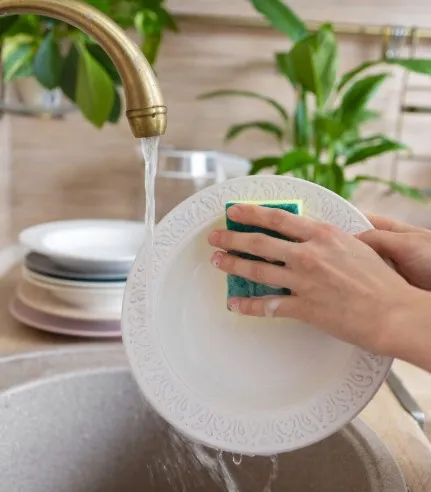
Melamine sponges, often called Magic Erasers, work well to clean hard stains with just water. People know them for cleaning surfaces. But many wonder about their safety on skin. Folks ask what happens if you rub a Magic Eraser on skin. They think the "chemical-free" label means it's safe for personal care. This piece looks at the makeup of melamine foam. It checks reports of skin issues. And it judges if these cleaners fit for body contact.
If you need strong melamine cleaning items from a trusted seller, check out FoamTech's wide range. They have top-notch making skills and global approvals. FoamTech makes sponges built for safety, strength, and good results. You can also contact them at contact support.
Evaluating the Safety of Melamine Sponges in Personal Use Settings
Differences Between Household Cleaning and Skin Contact Applications
Melamine sponges suit lifeless things like plastic, ceramic, tile, and metal. Ceramics Products: Dishware, tea sets, flowerpot, bathtub, tile, floor tile, swimming pool, etc. These can take the rubbing stress. But human skin is alive and mends itself. Yet it can't handle rough contact from tiny foam bits.
When used right on hard spots, these sponges clear dirt fast with push and rub. But using that push on skin can hurt the top layer. It messes with the skin's shield.
Lack of Dermatological Testing for Cosmetic Use
Melamine sponges lack skin doctor tests for beauty tools. Groups like the FDA do not okay them for body touch in beauty uses. No trials or approvals under skin care rules mean we guess about long effects on skin health.
There are no set tests for how they work on soft skin or over time. This gap in proof makes them unfit for face washing or skin rubbing habits.
Importance of Manufacturer Guidelines and Warnings
Makers often warn not to use melamine foam on the body. Papers with products say to skip skin and wet body parts. Instructions: Soak the sponge with water; Gently squeeze the water out; Wipe and clean; Rinse and reuse—these steps are clearly intended for surface cleaning tasks.
Potential Risks of Using Melamine Sponges on Skin
Composition and Abrasiveness of Melamine Foam
Melamine sponges come from a mix of formaldehyde-melamine-sodium bisulfite copolymer. This forms a stiff foam with a special tiny structure. The material is made of melamine-formaldehyde resin through a special foaming process, with its unique three-dimensional network structure, has created a new cleaning paradigm of "physical friction instead of chemical dissolution". It acts like very fine sandpaper. It feels soft when wet. Yet, its tiny rough side stays strong.
Electron microscope views show the sponge has 99% open space. Each hole measures 5-20 microns across. This tight setup boosts cleaning by scraping dirt away. But that same action can harm the skin's top layer with rubbing. The sponge's rough nature might make tiny cuts in the outer skin. This happens most with repeated rubs.
Reported Skin Reactions and Irritation Cases
Some users report bad effects like red marks, sharp pain, skin peeling, or a hot feeling after using melamine sponges on skin. These come from rubbing that digs too deep. If you use it wrong, especially on soft face spots or cut skin, it can feel like a small burn.
Kids and people with soft or hurt skin face more danger. Young skin is thin. So it gets hurt easier by rubbing. Even quick touches can cause long-lasting soreness or slow healing.
Misconceptions About “Chemical-Free” Cleaning Tools
Many buyers like melamine foam because ads say it cleans without extra chemicals. But that word can trick people. This material made of melamine-formaldehyde resin through a special foaming process, with its unique three-dimensional network structure, has created a new cleaning paradigm of "physical friction instead of chemical dissolution". It skips soaps or cleaners. Still, its cleaning is rough. It uses tiny scrapes, not soft touches.
Alternatives for Safe Skin Exfoliation and Cleaning Practices
For any odd skin way, including new tools, talk to a skin doctor first. Do this before adding to your daily plan.
Dermatologist-Endorsed Exfoliation Tools and Materials
Skip using home items like Magic Erasers for skin care. Pick tools made just for people. Soft silicone brushes give light skin rubbing with low harm chance. Things like glycolic acid or lactic acid give steady skin smoothing for many skin kinds.
These go through tough safety checks. They help the skin's shield. And they make skin smoother and clearer without harm.
Risks Associated With Improvised Skincare Tools from Household Items
Using non-beauty home items like melamine sponges for skin care brings unknown risks. Many home tools hide what they hold. They might have leftover bits or coatings not for skin touch. This can lead to soreness, body reactions, or germs.
Pro skin tools give sure outcomes. That's because of clear making rules and doctor tests.
Guidelines for Consumers Seeking Non-Chemical Cleaning Solutions for Skin Use
For no-chemical skin care, choose items marked low-irritant and skin-friendly pH. These fit your skin's balance. They cut down on bother stuff. Plant fiber cloths like bamboo or organic cotton clean well but softly.
Engineering Improvements in Sponge Design to Reduce Skin Irritation Risk
Material Innovations in Multi-Layer Sponge Structures
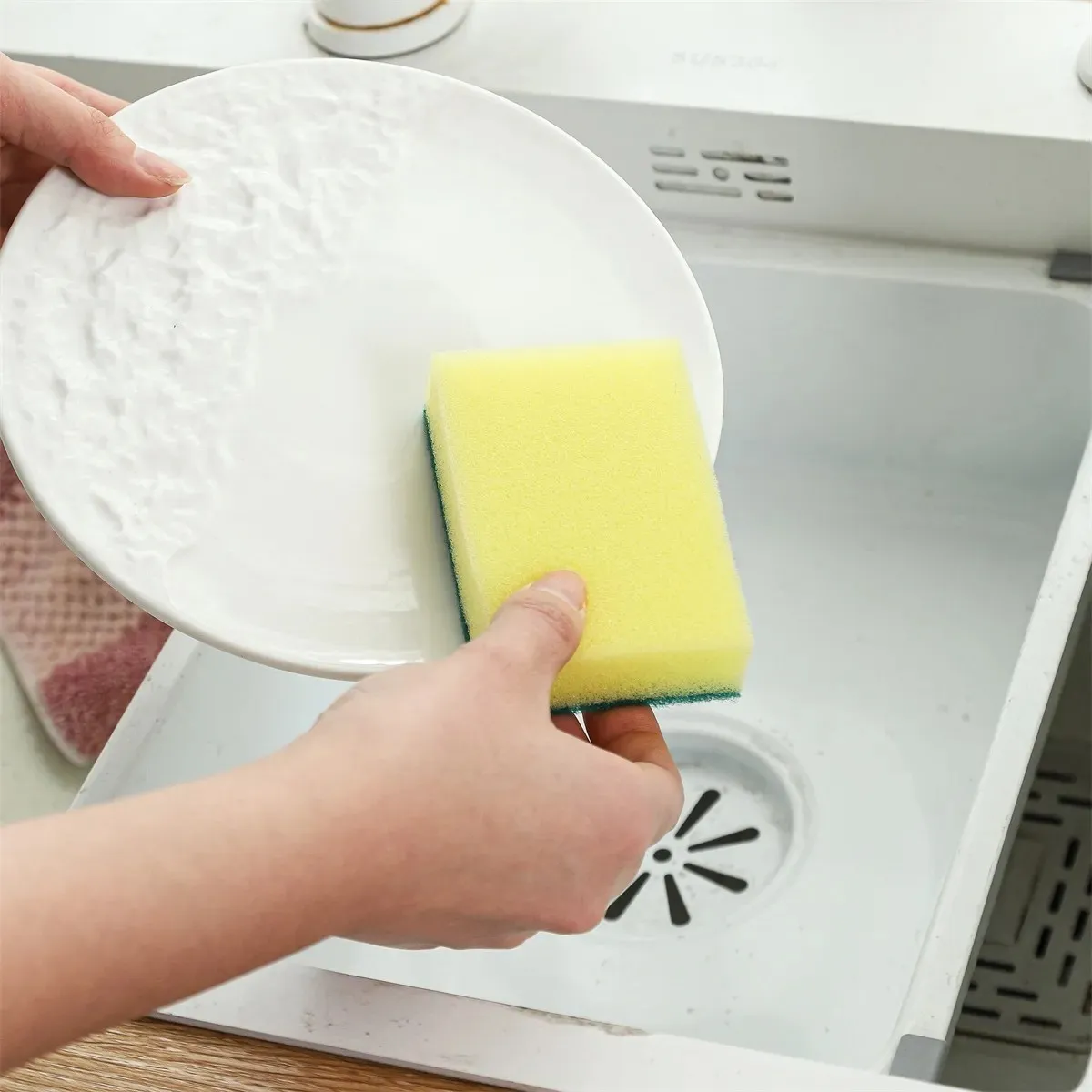
Some new sponge types cut roughness with two-layer setups. For instance, the Dual Layer Kitchen PU Sponge adds a softer polyurethane part under the clean side. This lessens rub stress if it touches skin by mistake. The build helps cut unplanned scrapes in use or chance touches.
Integration of Non-Woven Fabrics to Enhance Safety Features
The Melamine Sponge with Non-Woven Fabric has a soft cover layer. It blocks rough foam from surfaces. This cuts straight touch to the rough part in normal use. It's great for lowering hurts from wrong use. It also boosts easy hold in work.
Miniaturized Sponge Formats for Controlled Application
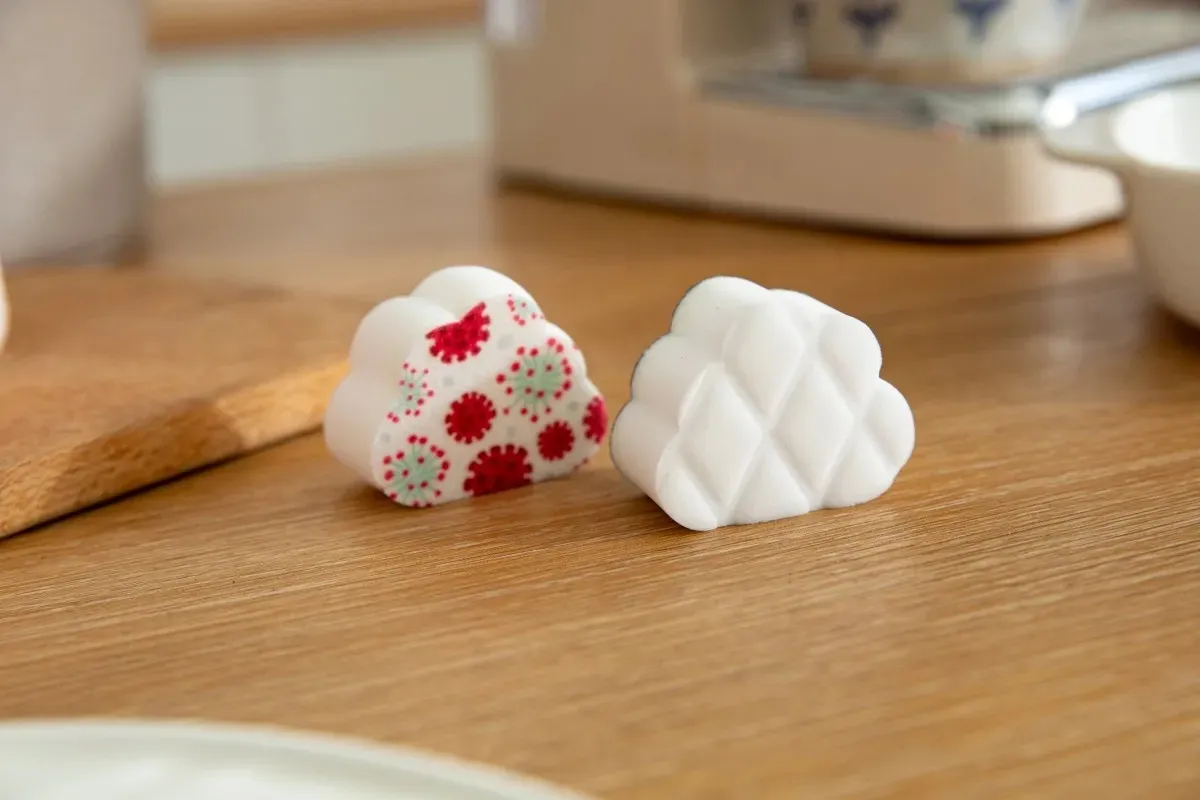
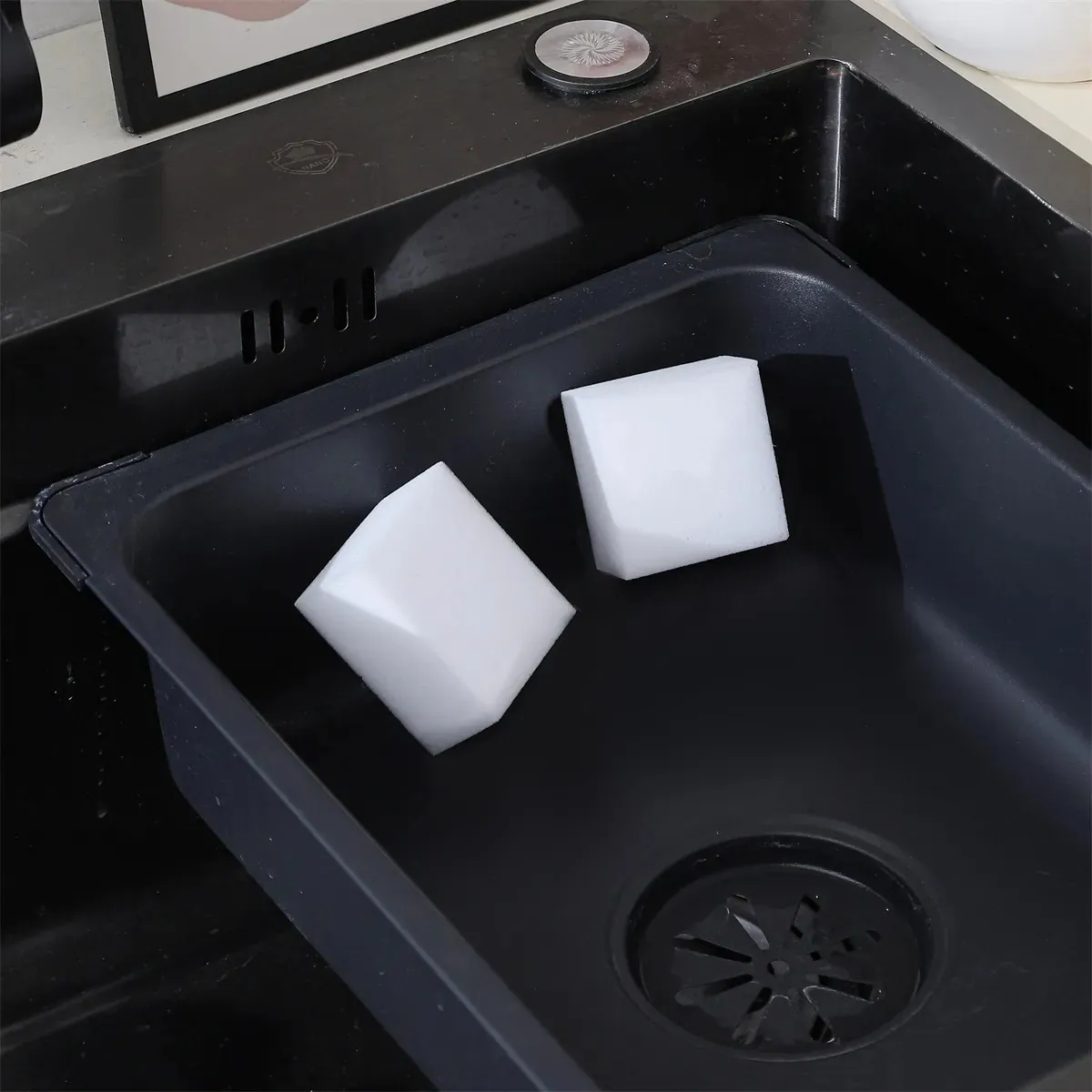
Tiny sponge sizes like the Mini Cube Melamine Foam give better grip in cleaning jobs. Small shape cuts over-use risk by small touch area. They fit spot-on tasks in tight spots where skin touch might happen by error.
Advantages of Choosing FoamTech as a Reliable Supplier of Melamine-Based Products
FoamTech keeps making new things from buyer input and field changes. This boosts work and safety.
Commitment to Product Safety and Quality Standards
FoamTech focuses on quality checks in all making steps. Each item gets care for user safety and green ways. Use guides are plain. They lead buyers to right uses and care tips.
Versatile Product Range Tailored for Different Applications
FoamTech sells many special sponge types like mini cubes, dual-layer PU sponges, and ones with non-woven fabrics. Each fits spots from home kitchens to car upkeep. Every item suits set clean areas while cutting wrong-use odds. Buyers can get custom work on their dedicated platform.
Professional Support and International Export Capabilities
FoamTech's team speaks many languages. They reply fast to world markets. Their site has full item details and ask paths for business buyers wanting safe sponges.
FAQ
Q1: Is it safe to rub a Magic Eraser on your face?
A: No. The sponge’s micro-abrasive structure can damage facial skin and cause irritation or burns if rubbed directly on sensitive areas.
Q2: Are there melamine sponges designed not to hurt the skin?
A: Some products like those with non-woven fabric layers or dual-layer designs reduce risk but still aren't meant for skincare purposes.
Q3: Can I use a Magic Eraser as an exfoliator?
A: No. These sponges are not tested or approved as skincare tools and may compromise your skin barrier function when used improperly.
Melamine sponges, often called Magic Erasers, work well to clean hard stains with just water. People know them for cleaning surfaces. But many wonder about their safety on skin. Folks ask what happens if you rub a Magic Eraser on skin. They think the "chemical-free" label means it's safe for personal care. This piece looks at the makeup of melamine foam. It checks reports of skin issues. And it judges if these cleaners fit for body contact.
If you need strong melamine cleaning items from a trusted seller, check out FoamTech's wide range. They have top-notch making skills and global approvals. FoamTech makes sponges built for safety, strength, and good results. You can also contact them at contact support.
Evaluating the Safety of Melamine Sponges in Personal Use Settings
Differences Between Household Cleaning and Skin Contact Applications
Melamine sponges suit lifeless things like plastic, ceramic, tile, and metal. Ceramics Products: Dishware, tea sets, flowerpot, bathtub, tile, floor tile, swimming pool, etc. These can take the rubbing stress. But human skin is alive and mends itself. Yet it can't handle rough contact from tiny foam bits.
When used right on hard spots, these sponges clear dirt fast with push and rub. But using that push on skin can hurt the top layer. It messes with the skin's shield.
Lack of Dermatological Testing for Cosmetic Use
Melamine sponges lack skin doctor tests for beauty tools. Groups like the FDA do not okay them for body touch in beauty uses. No trials or approvals under skin care rules mean we guess about long effects on skin health.
There are no set tests for how they work on soft skin or over time. This gap in proof makes them unfit for face washing or skin rubbing habits.
Importance of Manufacturer Guidelines and Warnings
Makers often warn not to use melamine foam on the body. Papers with products say to skip skin and wet body parts. Instructions: Soak the sponge with water; Gently squeeze the water out; Wipe and clean; Rinse and reuse—these steps are clearly intended for surface cleaning tasks.
Potential Risks of Using Melamine Sponges on Skin
Composition and Abrasiveness of Melamine Foam
Melamine sponges come from a mix of formaldehyde-melamine-sodium bisulfite copolymer. This forms a stiff foam with a special tiny structure. The material is made of melamine-formaldehyde resin through a special foaming process, with its unique three-dimensional network structure, has created a new cleaning paradigm of "physical friction instead of chemical dissolution". It acts like very fine sandpaper. It feels soft when wet. Yet, its tiny rough side stays strong.
Electron microscope views show the sponge has 99% open space. Each hole measures 5-20 microns across. This tight setup boosts cleaning by scraping dirt away. But that same action can harm the skin's top layer with rubbing. The sponge's rough nature might make tiny cuts in the outer skin. This happens most with repeated rubs.
Reported Skin Reactions and Irritation Cases
Some users report bad effects like red marks, sharp pain, skin peeling, or a hot feeling after using melamine sponges on skin. These come from rubbing that digs too deep. If you use it wrong, especially on soft face spots or cut skin, it can feel like a small burn.
Kids and people with soft or hurt skin face more danger. Young skin is thin. So it gets hurt easier by rubbing. Even quick touches can cause long-lasting soreness or slow healing.
Misconceptions About “Chemical-Free” Cleaning Tools
Many buyers like melamine foam because ads say it cleans without extra chemicals. But that word can trick people. This material made of melamine-formaldehyde resin through a special foaming process, with its unique three-dimensional network structure, has created a new cleaning paradigm of "physical friction instead of chemical dissolution". It skips soaps or cleaners. Still, its cleaning is rough. It uses tiny scrapes, not soft touches.
Alternatives for Safe Skin Exfoliation and Cleaning Practices
For any odd skin way, including new tools, talk to a skin doctor first. Do this before adding to your daily plan.
Dermatologist-Endorsed Exfoliation Tools and Materials
Skip using home items like Magic Erasers for skin care. Pick tools made just for people. Soft silicone brushes give light skin rubbing with low harm chance. Things like glycolic acid or lactic acid give steady skin smoothing for many skin kinds.
These go through tough safety checks. They help the skin's shield. And they make skin smoother and clearer without harm.
Risks Associated With Improvised Skincare Tools from Household Items
Using non-beauty home items like melamine sponges for skin care brings unknown risks. Many home tools hide what they hold. They might have leftover bits or coatings not for skin touch. This can lead to soreness, body reactions, or germs.
Pro skin tools give sure outcomes. That's because of clear making rules and doctor tests.
Guidelines for Consumers Seeking Non-Chemical Cleaning Solutions for Skin Use
For no-chemical skin care, choose items marked low-irritant and skin-friendly pH. These fit your skin's balance. They cut down on bother stuff. Plant fiber cloths like bamboo or organic cotton clean well but softly.
Engineering Improvements in Sponge Design to Reduce Skin Irritation Risk
Material Innovations in Multi-Layer Sponge Structures
Some new sponge types cut roughness with two-layer setups. For instance, the Dual Layer Kitchen PU Sponge adds a softer polyurethane part under the clean side. This lessens rub stress if it touches skin by mistake. The build helps cut unplanned scrapes in use or chance touches.
Integration of Non-Woven Fabrics to Enhance Safety Features
The Melamine Sponge with Non-Woven Fabric has a soft cover layer. It blocks rough foam from surfaces. This cuts straight touch to the rough part in normal use. It's great for lowering hurts from wrong use. It also boosts easy hold in work.
Miniaturized Sponge Formats for Controlled Application
Tiny sponge sizes like the Mini Cube Melamine Foam give better grip in cleaning jobs. Small shape cuts over-use risk by small touch area. They fit spot-on tasks in tight spots where skin touch might happen by error.
Advantages of Choosing FoamTech as a Reliable Supplier of Melamine-Based Products
FoamTech keeps making new things from buyer input and field changes. This boosts work and safety.
Commitment to Product Safety and Quality Standards
FoamTech focuses on quality checks in all making steps. Each item gets care for user safety and green ways. Use guides are plain. They lead buyers to right uses and care tips.
Versatile Product Range Tailored for Different Applications
FoamTech sells many special sponge types like mini cubes, dual-layer PU sponges, and ones with non-woven fabrics. Each fits spots from home kitchens to car upkeep. Every item suits set clean areas while cutting wrong-use odds. Buyers can get custom work on their dedicated platform.
Professional Support and International Export Capabilities
FoamTech's team speaks many languages. They reply fast to world markets. Their site has full item details and ask paths for business buyers wanting safe sponges.
FAQ
Q1: Is it safe to rub a Magic Eraser on your face?
A: No. The sponge’s micro-abrasive structure can damage facial skin and cause irritation or burns if rubbed directly on sensitive areas.
Q2: Are there melamine sponges designed not to hurt the skin?
A: Some products like those with non-woven fabric layers or dual-layer designs reduce risk but still aren't meant for skincare purposes.
Q3: Can I use a Magic Eraser as an exfoliator?
A: No. These sponges are not tested or approved as skincare tools and may compromise your skin barrier function when used improperly.
Related Recommendations


Family owned company, globalleader in development andmanufacturing of home careproducts for private label andcontract manufacturing
Copyright © 2026 FoamTech (Zhejiang) New Materials Co., Ltd.