Complete Guide to Cellulose Sponges: From Production to Practical Use
2026-01-26
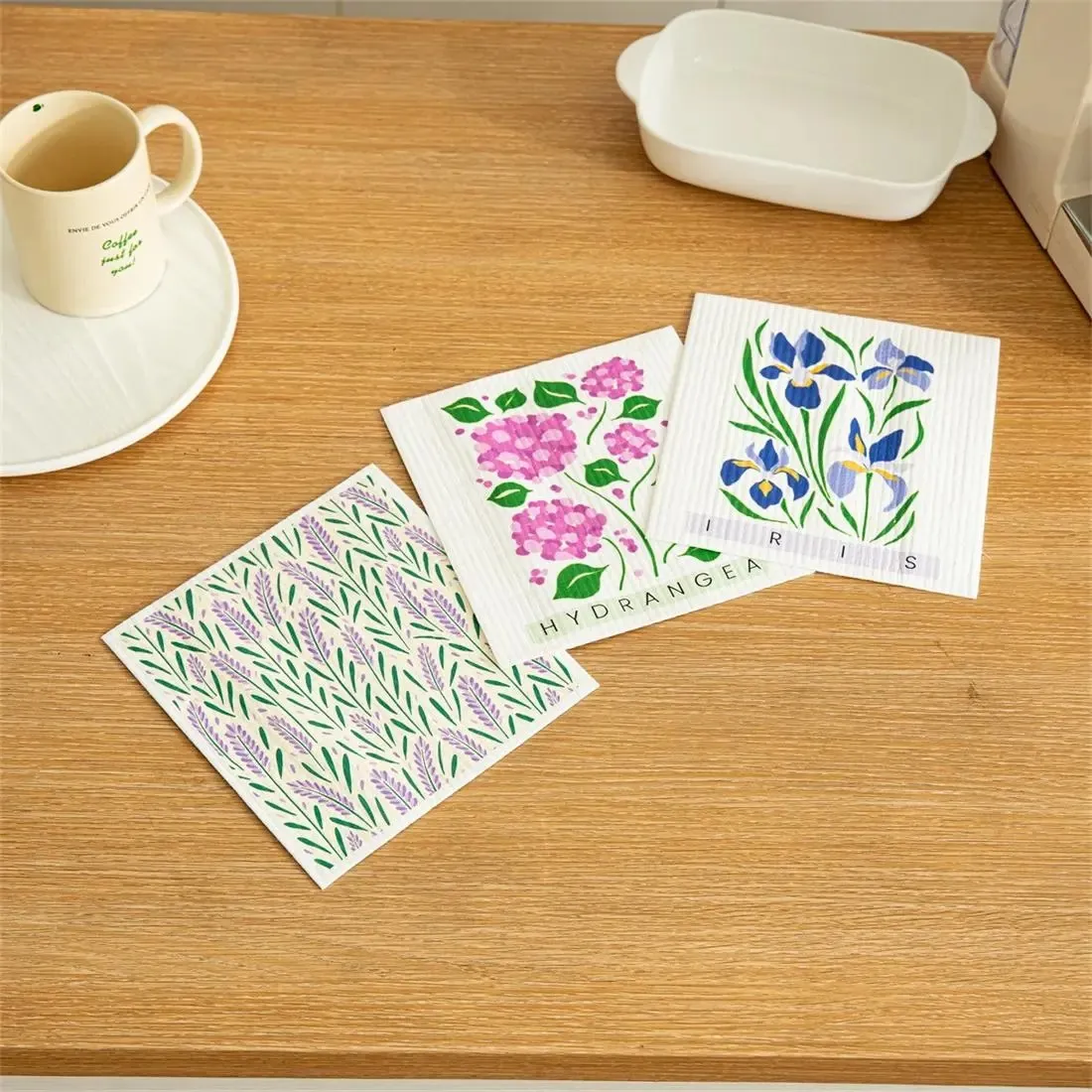
The cleaning sector is seeing a major move toward eco-friendly materials that still deliver strong results. This guide offers a detailed and hands-on look at cellulose sponges. It covers their full path from raw wood to key tools in homes and factories. If you want top-notch cleaning options, teaming up with a top player matters a lot. FoamTech, a leading maker with a huge 200,000 square meter plant and more than 100 patents, leads this change. They use cutting-edge German methods to produce 500,000 cubic meters each year. This keeps worldwide supplies steady. Their focus on research and tight quality checks makes them a solid choice for getting green sponges that hit global rules.
Defining Cellulose Sponges in Modern Cleaning
Cellulose sponges mix natural elements with smart design. They act as a green swap for old plastic scrubbers. Their special traits let them tackle tough jobs yet stay kind to soft surfaces. When you add these to your stock or home setup, you help cut down on tiny plastic bits in the environment.
Natural Wood Pulp Composition
The main part of these sponges comes from good wood pulp, known as cellulose. This plant-based chain gives the sponge its solid build. Since it starts from regrowable trees, it breaks down naturally. So, the item goes back to the soil without bad leftovers or lasting fake threads.
Porous Hydrophilic Structure
What sets a cellulose sponge apart is its web of linked openings. Workers make these gaps in production to boost the contact area. The water-loving side of the pulp draws in fluids deep inside via pull action. And this setup creates the sponge's typical gentle feel once soaked.
Eco-Friendly Material Evolution
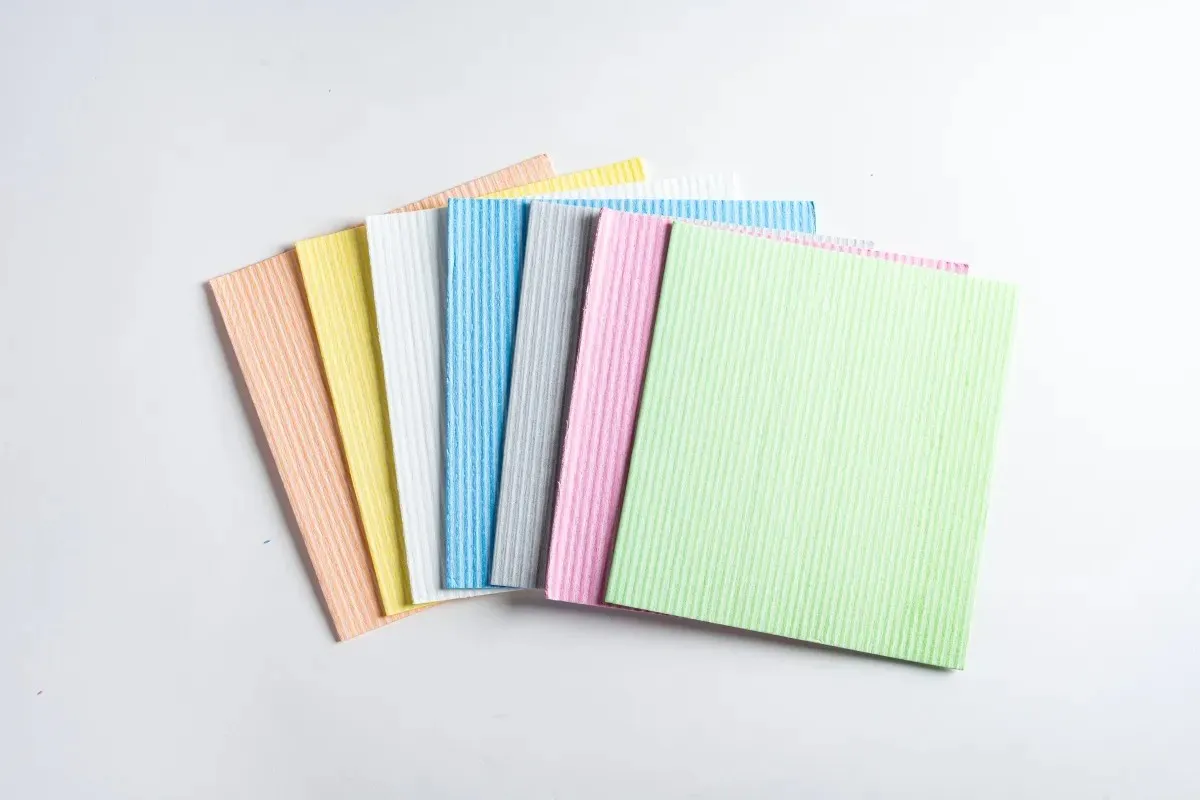
Wood pulp advances have cut back on rough chemicals. Today's types stress safety for the planet across all stages. Unlike foam sponges that turn into tiny plastics, cellulose parts turn into plant stuff over time. This shift positions the Solid Color Wood Pulp Sponge as a must-have for green-focused buyers.
Advanced Manufacturing Process of Cellulose Sponges
Making top sponges calls for exact setup controls and special gear. Every step shapes the final firmness, soak speed, and toughness. Good production stops fibers from flaking off in use, a big worry for factory purchasers.
Sustainable Raw Material Preparation
It starts with gathering tree fibers, turned into a thick fluid through basic steps. This base liquid forms the sponge core. Makers blend in plant threads like hemp to boost hold-up power. Thus, the sponge resists rips when you scrub hard.
Chemical Treatment and Foaming
They stir in salt crystals to form the holes. Then, the mix goes into big forms and gets warm. Heat melts the salt, so voids stay behind. How big and spread out these spots are sets the liquid hold and dry time.
Precision Cutting and Shaping
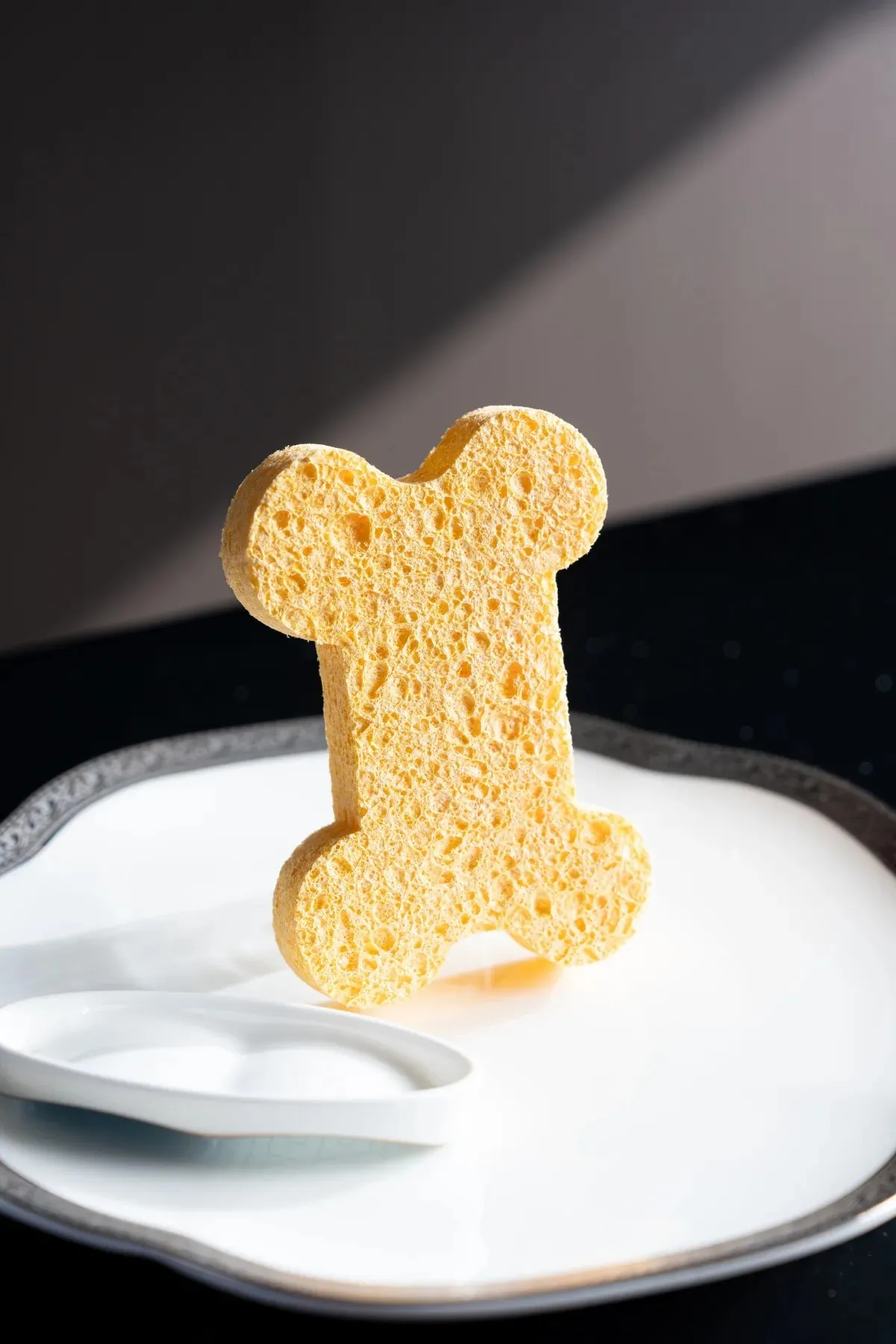
Once blocks rinse and dry, they head to slicing. Smart computer tools cut many sizes and forms. For buyers wanting special looks or hand-fit shapes, the Shaped Wood Pulp Sponge helps brands shine in busy stores. Clean edges and even sizes come from this careful work.
Unbeatable Advantages of Cellulose Over Plastic
In material match-ups for cleaning, cellulose beats fake types on work and green effects. You can check this with soak tests and strength checks. Picking the best cuts swap-outs and trims costs over time.
Rapid Liquid Absorption Capacity
A fine cellulose sponge takes in up to twenty times its weight in fluids. This lets you clear big messes in one go. It pulls in fast, not just water, but soaps too. So, it builds thick bubbles that lift oils and dirt better than plain cloths.
Superior Biodegradability and Sustainability
Green living drives today's shoppers. Cellulose sponges break apart in weeks in home compost or waste sites. This quick end beats plastic ones that last ages. So, using them ties your line to worldwide eco goals.
Effective Bacteria Resistance
Wet spots can grow germs, but cellulose dries quicker than thick foams. A fast-dry tool starves out bugs and spots. This cuts bad smells, keeping the cleaner fresh longer.
Scratch-Free Surface Protection
Wet pulp stays soft and bendy, safe for pricey pots, windows, and metal. It clears junk without tiny marks. This fits soft jobs like car shine or fancy kitchen care, where looks count.
Versatile Applications for Global Markets
Wood pulp's flexibility goes beyond kitchen basics. Custom prints and cuts open uses in many fields. Pick the right type, and you serve special buyer groups.
Kitchen and Household Maintenance
Daily wipe-downs are the top job. Strong soak and build suit tops and plates. Easy rinse keeps it from trapping food bits like net sponges do, so it stays neat.
Industrial and Printing Precision
Printers use them to clean sheets and wheels, thanks to no-lint trait. They handle chemicals without breaking down. Even moisture spread from uniform holes protects gear.
Beauty and Personal Care
Fine pulp's mild feel works on skin. Beauty lines pick them for face wash and makeup wipe. The plant base sells well in spots where natural, non-itch items rule.
Promotional and Branding Giftware
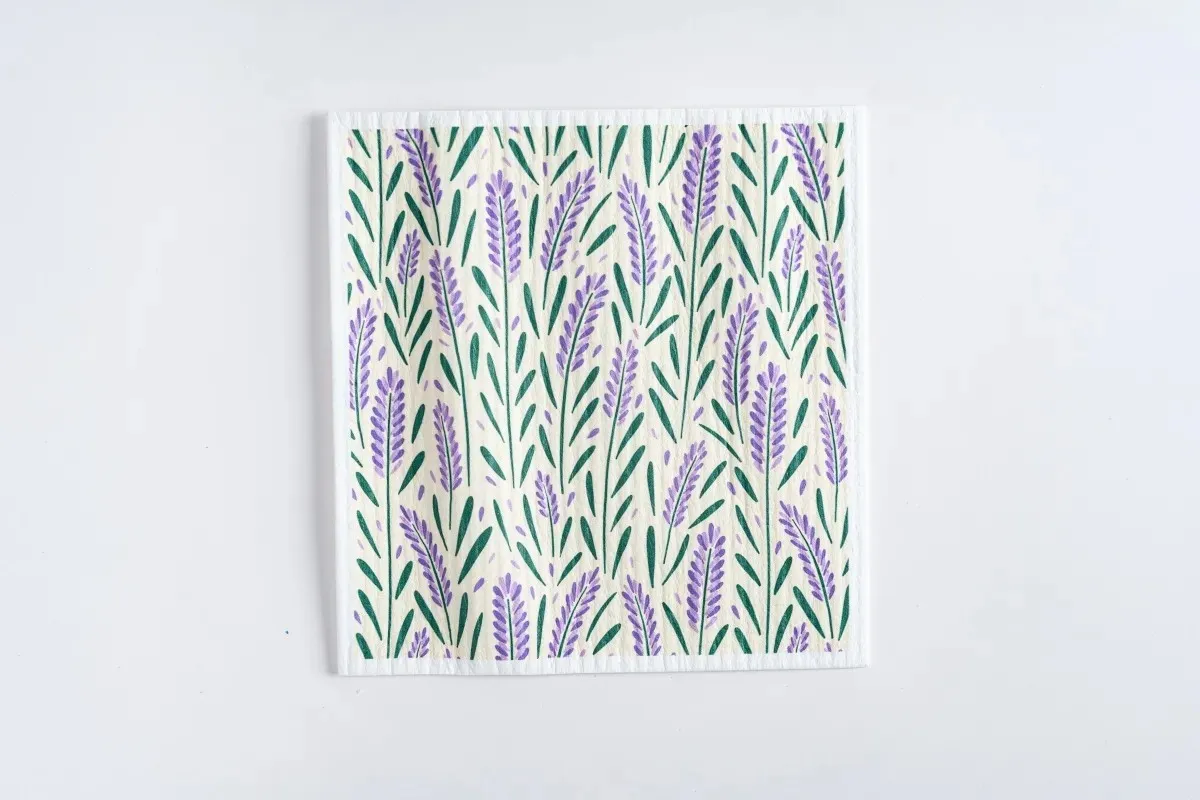
A pressed sponge's face takes sharp images well. The Printed Cellulose Sponge turns a work tool into promo gear. Green inks keep it all break-down friendly, with bold marks or tips.
Why FoamTech is Your Ideal OEM Partner
Choosing a maker goes beyond the item; it covers output, trust, and know-how. A full-chain handler brings steadiness to your ops. For specs talks, hit their contact page.
Advanced German Technology Integration
German lines make sure batches hit firm and pull standards. This cuts scraps and steadies hole builds. Old hand ways can't match this exactness.
Massive Annual Production Capacity
At 500,000 cubic meters a year, the plant takes big global runs without delays. This scale holds prices steady and secures flows, so stock plans work smooth.
Global Certifications and R&D Strengths
Over 100 patents show drive for betterment. Meeting world green and safe rules preps goods for sales in key spots like Europe and North America. Fiber tough and germ-fight research keeps lines sharp.
Custom Private Label Solutions
Tailor every bit, from sizes and shades to packs. Need hand-fit forms or event prints? The setup bends to fit brand needs.
FAQ
Q1: How long does a cellulose sponge typically last?
A: With steady use and good rinse, a solid one holds up four to six weeks. Let it air out full between jobs to stretch it.
Q2: Can cellulose sponges be sterilized in a dishwasher?
A: Yes, top-rack them or nuke wet for a minute to zap germs and renew.
Q3: Are the dyes used in colored sponges safe?
A: Makers pick non-harm colorants that don't run, safe for food touch.
Q4: Do these sponges arrive dry or wet?
A: Either works. Packed tight ones ship dry and flat for cheap freight, then puff up on water hit.
Q5: Is it possible to compost these sponges at home?
A: Yes, from wood pulp and hemp, they compost fine in yard bins at end life.
The cleaning sector is seeing a major move toward eco-friendly materials that still deliver strong results. This guide offers a detailed and hands-on look at cellulose sponges. It covers their full path from raw wood to key tools in homes and factories. If you want top-notch cleaning options, teaming up with a top player matters a lot. FoamTech, a leading maker with a huge 200,000 square meter plant and more than 100 patents, leads this change. They use cutting-edge German methods to produce 500,000 cubic meters each year. This keeps worldwide supplies steady. Their focus on research and tight quality checks makes them a solid choice for getting green sponges that hit global rules.
Defining Cellulose Sponges in Modern Cleaning
Cellulose sponges mix natural elements with smart design. They act as a green swap for old plastic scrubbers. Their special traits let them tackle tough jobs yet stay kind to soft surfaces. When you add these to your stock or home setup, you help cut down on tiny plastic bits in the environment.
Natural Wood Pulp Composition
The main part of these sponges comes from good wood pulp, known as cellulose. This plant-based chain gives the sponge its solid build. Since it starts from regrowable trees, it breaks down naturally. So, the item goes back to the soil without bad leftovers or lasting fake threads.
Porous Hydrophilic Structure
What sets a cellulose sponge apart is its web of linked openings. Workers make these gaps in production to boost the contact area. The water-loving side of the pulp draws in fluids deep inside via pull action. And this setup creates the sponge's typical gentle feel once soaked.
Eco-Friendly Material Evolution
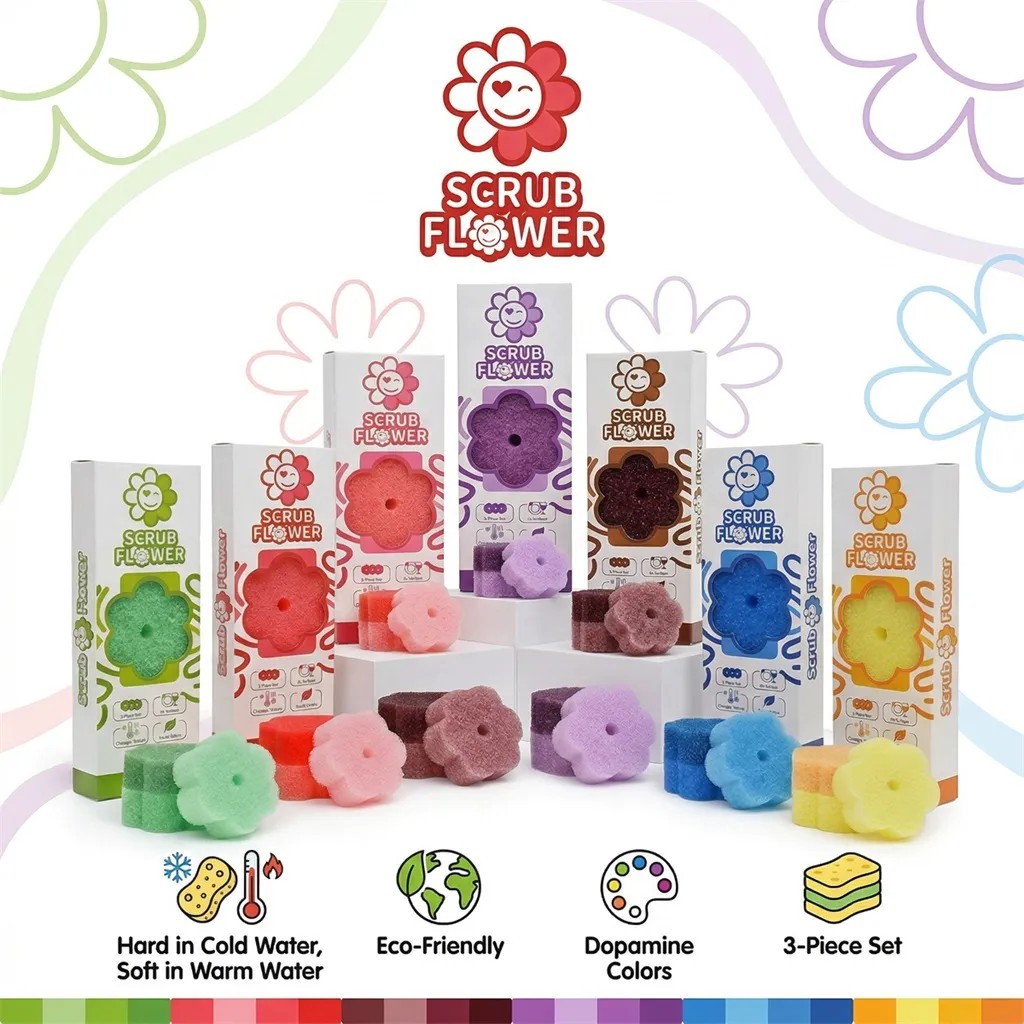
Wood pulp advances have cut back on rough chemicals. Today's types stress safety for the planet across all stages. Unlike foam sponges that turn into tiny plastics, cellulose parts turn into plant stuff over time. This shift positions the Solid Color Wood Pulp Sponge as a must-have for green-focused buyers.
Advanced Manufacturing Process of Cellulose Sponges
Making top sponges calls for exact setup controls and special gear. Every step shapes the final firmness, soak speed, and toughness. Good production stops fibers from flaking off in use, a big worry for factory purchasers.
Sustainable Raw Material Preparation
It starts with gathering tree fibers, turned into a thick fluid through basic steps. This base liquid forms the sponge core. Makers blend in plant threads like hemp to boost hold-up power. Thus, the sponge resists rips when you scrub hard.
Chemical Treatment and Foaming
They stir in salt crystals to form the holes. Then, the mix goes into big forms and gets warm. Heat melts the salt, so voids stay behind. How big and spread out these spots are sets the liquid hold and dry time.
Precision Cutting and Shaping
Once blocks rinse and dry, they head to slicing. Smart computer tools cut many sizes and forms. For buyers wanting special looks or hand-fit shapes, the Shaped Wood Pulp Sponge helps brands shine in busy stores. Clean edges and even sizes come from this careful work.
Unbeatable Advantages of Cellulose Over Plastic
In material match-ups for cleaning, cellulose beats fake types on work and green effects. You can check this with soak tests and strength checks. Picking the best cuts swap-outs and trims costs over time.
Rapid Liquid Absorption Capacity
A fine cellulose sponge takes in up to twenty times its weight in fluids. This lets you clear big messes in one go. It pulls in fast, not just water, but soaps too. So, it builds thick bubbles that lift oils and dirt better than plain cloths.
Superior Biodegradability and Sustainability
Green living drives today's shoppers. Cellulose sponges break apart in weeks in home compost or waste sites. This quick end beats plastic ones that last ages. So, using them ties your line to worldwide eco goals.
Effective Bacteria Resistance
Wet spots can grow germs, but cellulose dries quicker than thick foams. A fast-dry tool starves out bugs and spots. This cuts bad smells, keeping the cleaner fresh longer.
Scratch-Free Surface Protection
Wet pulp stays soft and bendy, safe for pricey pots, windows, and metal. It clears junk without tiny marks. This fits soft jobs like car shine or fancy kitchen care, where looks count.
Versatile Applications for Global Markets
Wood pulp's flexibility goes beyond kitchen basics. Custom prints and cuts open uses in many fields. Pick the right type, and you serve special buyer groups.
Kitchen and Household Maintenance
Daily wipe-downs are the top job. Strong soak and build suit tops and plates. Easy rinse keeps it from trapping food bits like net sponges do, so it stays neat.
Industrial and Printing Precision
Printers use them to clean sheets and wheels, thanks to no-lint trait. They handle chemicals without breaking down. Even moisture spread from uniform holes protects gear.
Beauty and Personal Care
Fine pulp's mild feel works on skin. Beauty lines pick them for face wash and makeup wipe. The plant base sells well in spots where natural, non-itch items rule.
Promotional and Branding Giftware
A pressed sponge's face takes sharp images well. The Printed Cellulose Sponge turns a work tool into promo gear. Green inks keep it all break-down friendly, with bold marks or tips.
Why FoamTech is Your Ideal OEM Partner
Choosing a maker goes beyond the item; it covers output, trust, and know-how. A full-chain handler brings steadiness to your ops. For specs talks, hit their contact page.
Advanced German Technology Integration
German lines make sure batches hit firm and pull standards. This cuts scraps and steadies hole builds. Old hand ways can't match this exactness.
Massive Annual Production Capacity
At 500,000 cubic meters a year, the plant takes big global runs without delays. This scale holds prices steady and secures flows, so stock plans work smooth.
Global Certifications and R&D Strengths
Over 100 patents show drive for betterment. Meeting world green and safe rules preps goods for sales in key spots like Europe and North America. Fiber tough and germ-fight research keeps lines sharp.
Custom Private Label Solutions
Tailor every bit, from sizes and shades to packs. Need hand-fit forms or event prints? The setup bends to fit brand needs.
FAQ
Q1: How long does a cellulose sponge typically last?
A: With steady use and good rinse, a solid one holds up four to six weeks. Let it air out full between jobs to stretch it.
Q2: Can cellulose sponges be sterilized in a dishwasher?
A: Yes, top-rack them or nuke wet for a minute to zap germs and renew.
Q3: Are the dyes used in colored sponges safe?
A: Makers pick non-harm colorants that don't run, safe for food touch.
Q4: Do these sponges arrive dry or wet?
A: Either works. Packed tight ones ship dry and flat for cheap freight, then puff up on water hit.
Q5: Is it possible to compost these sponges at home?
A: Yes, from wood pulp and hemp, they compost fine in yard bins at end life.
Related Recommendations


Family owned company, globalleader in development andmanufacturing of home careproducts for private label andcontract manufacturing
Copyright © 2026 FoamTech (Zhejiang) New Materials Co., Ltd.