The Ultimate Magic Eraser Hack for White Sneakers That Social Media Is Obsessed With
2026-06-04
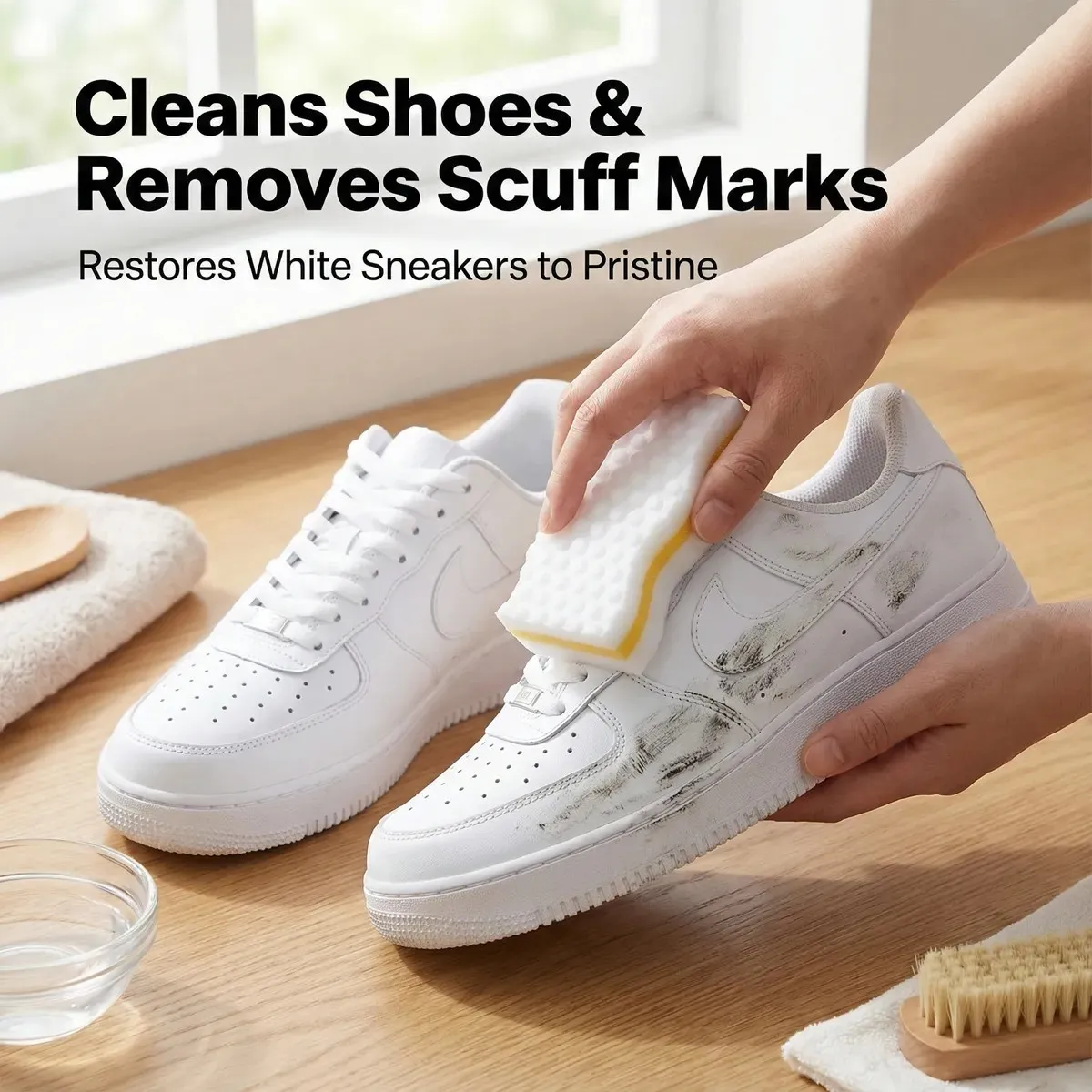
Maintaining white sneakers in good shape seems like a tough fight against urban dirt, but current social media trends change the view on shoe care. People discuss the quick change from using melamine foam. If you seek the origin of this "magic," FoamTech serves as a well-known specialist in the area. Located in Zhengzhou, they operate as a tech-focused company committed to making and selling quality melamine foam. With many patents and approvals such as ISO9001 and BSCI, FoamTech supplies strong nano-materials for important fields like aviation and rail transit. Their role as a "National Green Factory" means cleaning items are both practical and eco-friendly. You can check their focused cleaning services or reach out via their contact page for tailored options.
The Science Behind the Social Media Cleaning Phenomenon
Viral videos that show marks disappearing fast do not rely on editing effects. They highlight the basic traits of melamine resin. This approach differs from regular soap, which depends on chemical agents. Instead, it uses the foam's firm build. The foam works like a tiny scrubber. It gets into shoe textures where ordinary fabric would only pass over.
Micro-Abrasive Cleaning Structure
The foam consists of hard melamine resin formed into a light, open-cell network. These small, solid strands function like very fine abrasive material. They remove dirt through physical action. No extra chemicals are required for this process.
Effective Physical Stain Removal
The fine build allows it to enter tiny openings in leather or synthetic parts. It captures bits of oil and dirt. As you wipe, the open-cell design holds these particles inside. This method ensures thorough cleaning without spreading residue.
Chemical-Free Surface Rejuvenation
You only need water to start the process. This ease contributes to its widespread use. It avoids issues like color changes or skin reactions common with strong shoe cleaners. Thus, it offers a safe way to refresh surfaces.
Essential Steps to Master the Sneaker Cleaning Hack
A useful tool requires proper method to avoid damaging the shoe's look. Precision is key near fine seams or colored areas. The focus is not on strong rubbing. Rather, it involves how the foam contacts the area. Use even, gentle pressure for clean outcomes each time.
Initial Surface Debris Removal
Begin by wiping loose soil with a dry fabric. Skipping this step can lead to problems. If grit remains when you start with a wet sponge, it may scratch the leather. Therefore, clear the surface first to protect the material.
Optimal Sponge Moistening Technique
Dampen the sponge and wring it until it holds little water. Excess liquid reduces its grip. When it drips, water lubricates too much. This prevents the fine fibers from removing marks well. So, keep it just moist for best results.
Gentle Circular Motion Application
Use the sponge in small round movements. Avoid applying heavy force. The advanced fibers handle the work. Just maintain steady motion. Cover the dirty spot fully to achieve even cleaning.
Microfiber Cloth Finishing Touch
The sponge releases some water and dirt as it cleans. Remove this right away with a fresh microfiber cloth. This action uncovers the clean white layer. It stops residue from setting and keeps the surface bright.
Why Choosing the Right Melamine Sponge Matters for Leather
Some sponges break down quickly during use. Low density often causes this issue. For shoes with rough areas like rubber bottoms, basic types fall short. Opt for denser options to complete the task. They retain form without scattering foam pieces on floors.
Material Density and Longevity
Density measures foam quality, typically from 8kg/m³ to higher values. Greater density builds a stronger frame inside. As a result, the sponge resists tearing on shoe textures. This durability supports repeated use.
Comparison of High Density vs Standard Sponges
|
Feature |
Standard Melamine Sponge |
FoamTech High Density Sponge |
|
Manufacturing |
Standard Foam Expansion |
2x Hot-Pressed Process |
|
Durability Level |
Low - Shreds Quickly |
High - Tear Resistant |
|
Stain Extraction |
Surface Scuffs Only |
Deep Pore Cleaning |
|
Unique Surface |
Flat and Smooth |
Polka Dot Texture Design |
Surface Texture for Stubborn Scuffs
Patterns like "Polka Dot" or raised designs serve a purpose. They increase contact points on the surface. This helps grip tough oil or road stains hardened by heat. Such features improve removal of persistent marks.
Safe Maintenance for White Soles
Rubber soles hold dirt in their pores. Dense sponges offer the strength to extract it. They avoid breaking during the process. This ensures safe care for white areas without damage.
Recommended Cleaning Tools from FoamTech for Pristine Kicks
Poor sponges that turn to powder frustrate users. Consider professional options instead. These items focus on lasting performance. For quality shoes, tools from industrial standards provide superior results. They eliminate issues from low-quality foams.
2x Hot-Pressed Polka Dot Rectangular High Density Sponges
The 2x Hot-Pressed, Polka Dot, Rectangular High Density Sponges excel on tough side marks. Hot-pressing strengthens the material. The pattern boosts scrubbing on rubber. It delivers reliable cleaning power.
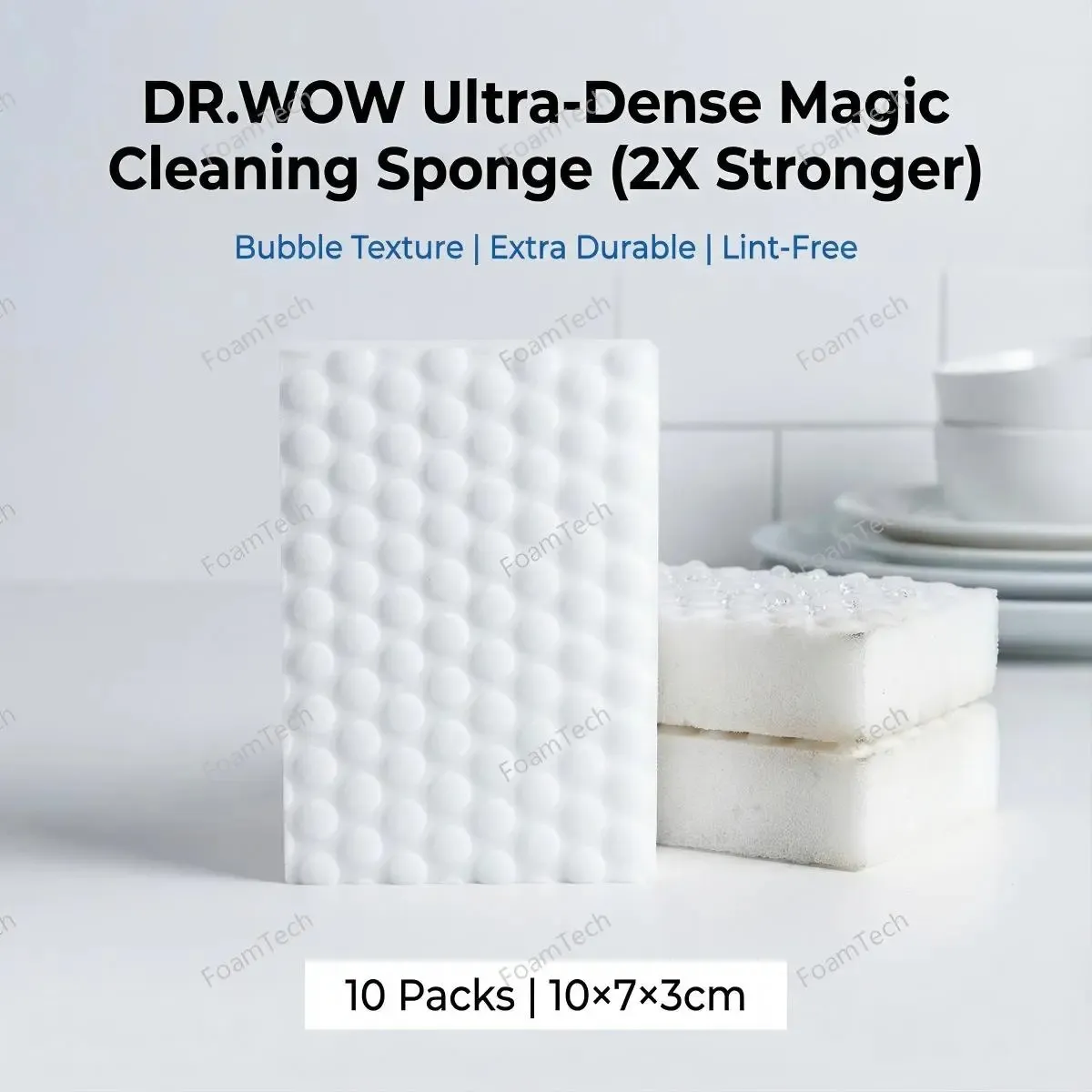
Versatile Magic Cleaning Sponge Solutions
The Magic Cleaning Sponge suits everyday shoe care. Its softness fits leather tops. Yet, it maintains the erasing action popular online. This makes it a practical choice for routine tasks.
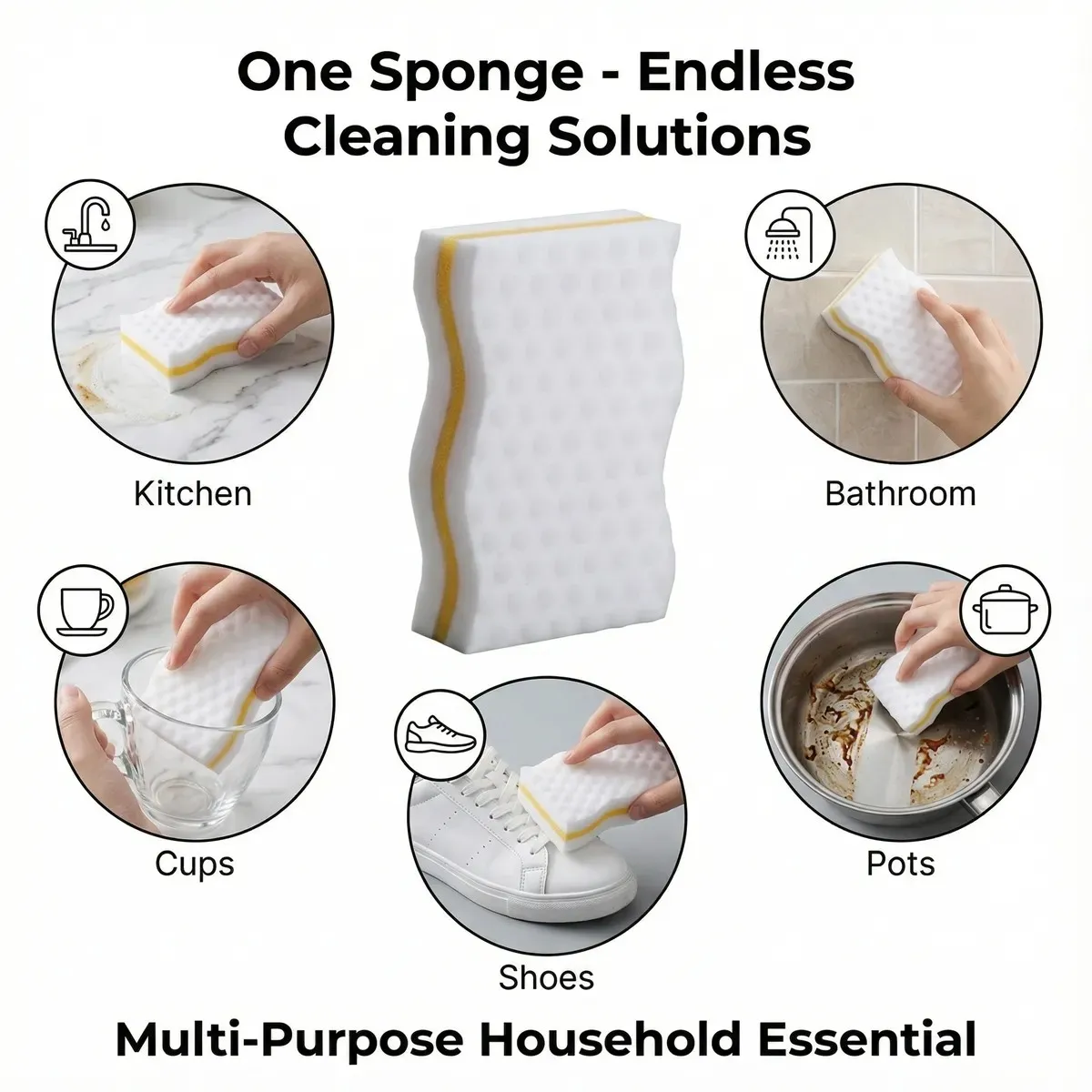
Comprehensive FoamTech Product Catalog
FoamTech provides various items, from slim sheets to large blocks. Thin ones work for light jobs. Thicker versions handle heavy cleaning. Select based on size and density to streamline your process.
Strategic Advantages of Partnering with FoamTech for Cleaning Supplies
A science-based supplier offers more than items. You gain from skilled teams and many patents in nano-materials. This focus optimizes each sponge for particular uses. It avoids generic products that lack specificity.
Leading Global Manufacturing Expertise
As a National Technological Medium-sized Enterprise, innovation drives their work. The process controls cell size evenly. This prevents excessive abrasion on shoe surfaces. Consistent quality results from these methods.
Customized OEM and ODM Solutions
Retailers and brands benefit from shape and package options. You can match products to your style. At the same time, they keep the foam's strong performance. This supports business needs effectively.
Commitment to Sustainable Material Production
The National Green Factory status reduces waste and energy use. It aligns with eco-conscious goals. Brands and users value this balance of care and efficiency. Production remains responsible throughout.
Efficient International Logistics and Support
Global shipping poses challenges, but experts simplify it. With years in exports, they deliver tools smoothly worldwide. For bulk buys or custom work, getting in touch with FoamTech starts the path to improved cleaning options.
FAQ
Q1: Is it safe to use this on expensive leather sneakers?
A: Yes, provided you use light pressure and a damp sponge. Avoid using it on very thin or delicate designer leathers, and always do a small spot test on the heel first.
Q2: Why does the sponge leave white residue behind?
A: Those little white bits are the sponge wearing away as it works—much like a pencil eraser. Simply wipe them away with a damp cloth after you finish cleaning.
Q3: How many times can I use one sponge for my shoes?
A: This depends on the density. A standard sponge might last for one deep clean, while a 2x hot-pressed high-density sponge can often handle multiple pairs before it needs replacing.
Q4: Can this fix yellowed soles?
A: It is excellent at removing dirt that makes soles look dark, but if the rubber has yellowed due to age and UV exposure, that is a chemical change that usually requires a specialized bleaching cream.
Q5: Do I need to wear gloves when using the sponge?
A: For a quick shoe clean, it isn't strictly necessary, but because the foam is a micro-abrasive, it can dry out your skin if you are using it for a long time. If you have sensitive skin, gloves are a good idea.
Maintaining white sneakers in good shape seems like a tough fight against urban dirt, but current social media trends change the view on shoe care. People discuss the quick change from using melamine foam. If you seek the origin of this "magic," FoamTech serves as a well-known specialist in the area. Located in Zhengzhou, they operate as a tech-focused company committed to making and selling quality melamine foam. With many patents and approvals such as ISO9001 and BSCI, FoamTech supplies strong nano-materials for important fields like aviation and rail transit. Their role as a "National Green Factory" means cleaning items are both practical and eco-friendly. You can check their focused cleaning services or reach out via their contact page for tailored options.
The Science Behind the Social Media Cleaning Phenomenon
Viral videos that show marks disappearing fast do not rely on editing effects. They highlight the basic traits of melamine resin. This approach differs from regular soap, which depends on chemical agents. Instead, it uses the foam's firm build. The foam works like a tiny scrubber. It gets into shoe textures where ordinary fabric would only pass over.
Micro-Abrasive Cleaning Structure
The foam consists of hard melamine resin formed into a light, open-cell network. These small, solid strands function like very fine abrasive material. They remove dirt through physical action. No extra chemicals are required for this process.
Effective Physical Stain Removal
The fine build allows it to enter tiny openings in leather or synthetic parts. It captures bits of oil and dirt. As you wipe, the open-cell design holds these particles inside. This method ensures thorough cleaning without spreading residue.
Chemical-Free Surface Rejuvenation
You only need water to start the process. This ease contributes to its widespread use. It avoids issues like color changes or skin reactions common with strong shoe cleaners. Thus, it offers a safe way to refresh surfaces.
Essential Steps to Master the Sneaker Cleaning Hack
A useful tool requires proper method to avoid damaging the shoe's look. Precision is key near fine seams or colored areas. The focus is not on strong rubbing. Rather, it involves how the foam contacts the area. Use even, gentle pressure for clean outcomes each time.
Initial Surface Debris Removal
Begin by wiping loose soil with a dry fabric. Skipping this step can lead to problems. If grit remains when you start with a wet sponge, it may scratch the leather. Therefore, clear the surface first to protect the material.
Optimal Sponge Moistening Technique
Dampen the sponge and wring it until it holds little water. Excess liquid reduces its grip. When it drips, water lubricates too much. This prevents the fine fibers from removing marks well. So, keep it just moist for best results.
Gentle Circular Motion Application
Use the sponge in small round movements. Avoid applying heavy force. The advanced fibers handle the work. Just maintain steady motion. Cover the dirty spot fully to achieve even cleaning.
Microfiber Cloth Finishing Touch
The sponge releases some water and dirt as it cleans. Remove this right away with a fresh microfiber cloth. This action uncovers the clean white layer. It stops residue from setting and keeps the surface bright.
Why Choosing the Right Melamine Sponge Matters for Leather
Some sponges break down quickly during use. Low density often causes this issue. For shoes with rough areas like rubber bottoms, basic types fall short. Opt for denser options to complete the task. They retain form without scattering foam pieces on floors.
Material Density and Longevity
Density measures foam quality, typically from 8kg/m³ to higher values. Greater density builds a stronger frame inside. As a result, the sponge resists tearing on shoe textures. This durability supports repeated use.
Comparison of High Density vs Standard Sponges
|
Feature |
Standard Melamine Sponge |
FoamTech High Density Sponge |
|
Manufacturing |
Standard Foam Expansion |
2x Hot-Pressed Process |
|
Durability Level |
Low - Shreds Quickly |
High - Tear Resistant |
|
Stain Extraction |
Surface Scuffs Only |
Deep Pore Cleaning |
|
Unique Surface |
Flat and Smooth |
Polka Dot Texture Design |
Surface Texture for Stubborn Scuffs
Patterns like "Polka Dot" or raised designs serve a purpose. They increase contact points on the surface. This helps grip tough oil or road stains hardened by heat. Such features improve removal of persistent marks.
Safe Maintenance for White Soles
Rubber soles hold dirt in their pores. Dense sponges offer the strength to extract it. They avoid breaking during the process. This ensures safe care for white areas without damage.
Recommended Cleaning Tools from FoamTech for Pristine Kicks
Poor sponges that turn to powder frustrate users. Consider professional options instead. These items focus on lasting performance. For quality shoes, tools from industrial standards provide superior results. They eliminate issues from low-quality foams.
2x Hot-Pressed Polka Dot Rectangular High Density Sponges
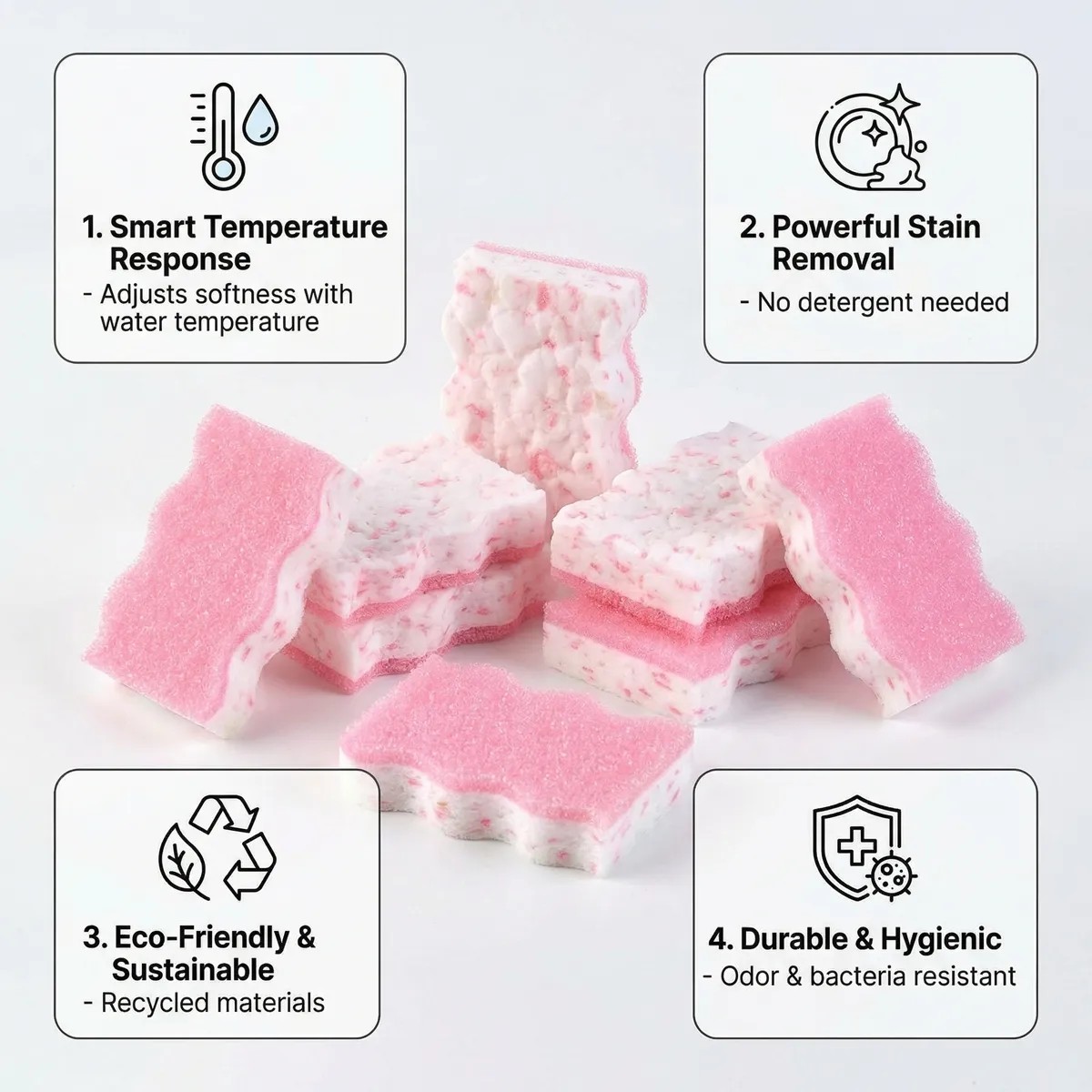
The 2x Hot-Pressed, Polka Dot, Rectangular High Density Sponges excel on tough side marks. Hot-pressing strengthens the material. The pattern boosts scrubbing on rubber. It delivers reliable cleaning power.
Versatile Magic Cleaning Sponge Solutions
The Magic Cleaning Sponge suits everyday shoe care. Its softness fits leather tops. Yet, it maintains the erasing action popular online. This makes it a practical choice for routine tasks.
Comprehensive FoamTech Product Catalog
FoamTech provides various items, from slim sheets to large blocks. Thin ones work for light jobs. Thicker versions handle heavy cleaning. Select based on size and density to streamline your process.
Strategic Advantages of Partnering with FoamTech for Cleaning Supplies
A science-based supplier offers more than items. You gain from skilled teams and many patents in nano-materials. This focus optimizes each sponge for particular uses. It avoids generic products that lack specificity.
Leading Global Manufacturing Expertise
As a National Technological Medium-sized Enterprise, innovation drives their work. The process controls cell size evenly. This prevents excessive abrasion on shoe surfaces. Consistent quality results from these methods.
Customized OEM and ODM Solutions
Retailers and brands benefit from shape and package options. You can match products to your style. At the same time, they keep the foam's strong performance. This supports business needs effectively.
Commitment to Sustainable Material Production
The National Green Factory status reduces waste and energy use. It aligns with eco-conscious goals. Brands and users value this balance of care and efficiency. Production remains responsible throughout.
Efficient International Logistics and Support
Global shipping poses challenges, but experts simplify it. With years in exports, they deliver tools smoothly worldwide. For bulk buys or custom work, getting in touch with FoamTech starts the path to improved cleaning options.
FAQ
Q1: Is it safe to use this on expensive leather sneakers?
A: Yes, provided you use light pressure and a damp sponge. Avoid using it on very thin or delicate designer leathers, and always do a small spot test on the heel first.
Q2: Why does the sponge leave white residue behind?
A: Those little white bits are the sponge wearing away as it works—much like a pencil eraser. Simply wipe them away with a damp cloth after you finish cleaning.
Q3: How many times can I use one sponge for my shoes?
A: This depends on the density. A standard sponge might last for one deep clean, while a 2x hot-pressed high-density sponge can often handle multiple pairs before it needs replacing.
Q4: Can this fix yellowed soles?
A: It is excellent at removing dirt that makes soles look dark, but if the rubber has yellowed due to age and UV exposure, that is a chemical change that usually requires a specialized bleaching cream.
Q5: Do I need to wear gloves when using the sponge?
A: For a quick shoe clean, it isn't strictly necessary, but because the foam is a micro-abrasive, it can dry out your skin if you are using it for a long time. If you have sensitive skin, gloves are a good idea.
Related Recommendations


Family owned company, globalleader in development andmanufacturing of home careproducts for private label andcontract manufacturing
Copyright © 2026 FoamTech (Zhejiang) New Materials Co., Ltd.