Surface Integrity and Clean Effect of Magic Eraser Compared to Cellulose Sponge
2026-01-12
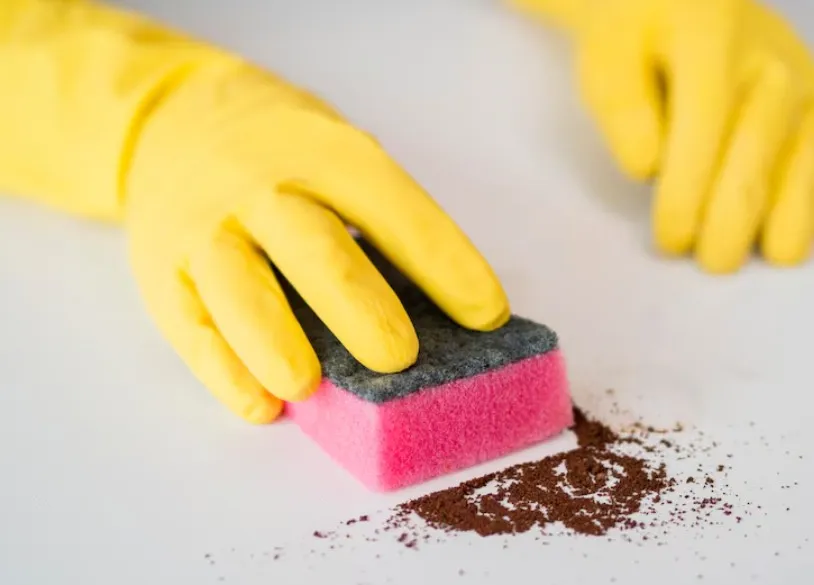
As the need for effective cleaning tools grows in homes and businesses, picking the proper sponge matters a lot. This choice affects not just how well it cleans but also how it keeps surfaces safe over repeated uses. Melamine-based magic erasers and cellulose sponges stand out as two popular options. Each brings its own strengths and drawbacks based on the task, how long it lasts, and its effect on the environment.
For reliable cleaning supplies, FoamTech leads as a top maker of eco-friendly polymer nanoscale melamine foam. With more than a decade of know-how and various worldwide approvals, FoamTech uses modern German equipment and strong research skills to create custom cleaning items for home and business needs.
Magic Eraser and Cellulose Sponge: Definitions and Advantages
Melamine-based magic erasers feature a fine open-pore setup at the nano level, which gives strong physical scrubbing via light abrasion. On the other hand, cellulose sponges come from natural wood pulp, and people value them for their mild feel, good soaking power, and green qualities.
Characteristics of Melamine-Based Magic Eraser
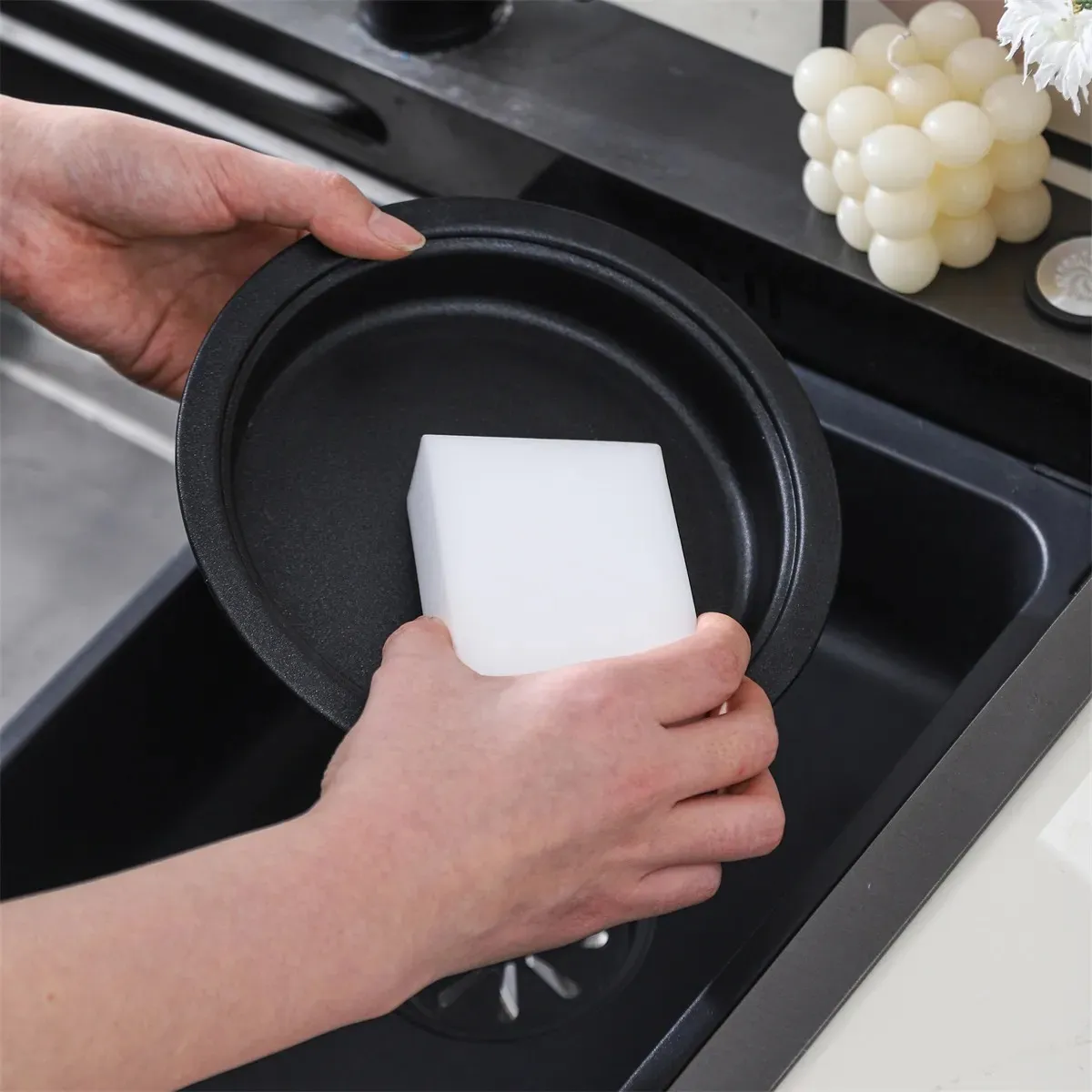
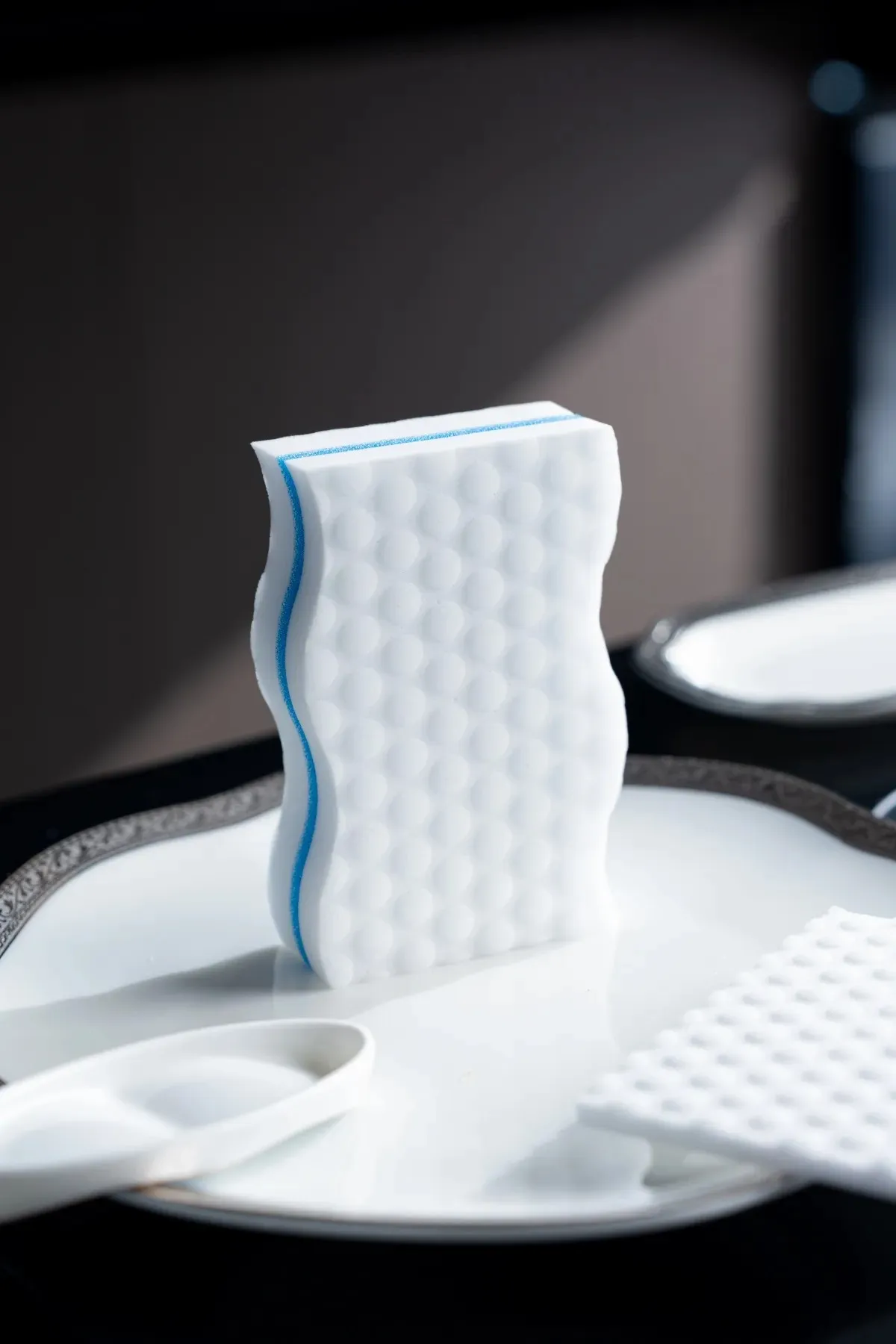
Electron microscope views show that melamine sponges have up to 99% porosity, with each pore sized from 5–20 microns. This tight web-like build boosts its sticking power, so it removes tough marks well without any soap. The Standard Density Melamine Sponge serves as a good sample, blending a gentle touch with solid scrubbing for everyday jobs.
Properties of Cellulose Sponge Materials
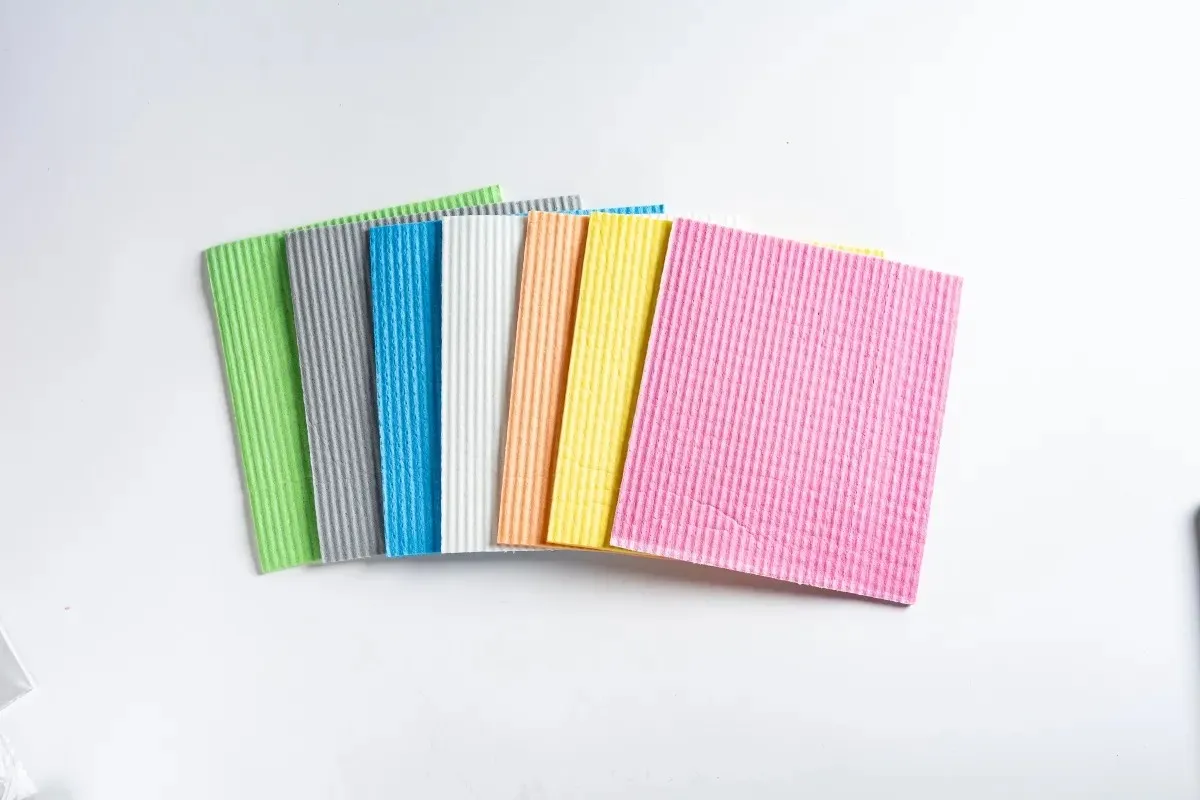
Cellulose sponges break down naturally, made from wood pulp and cotton strands. Items like the Solid Color Wood Pulp Sponge show great soaking and bendability, so they suit soft areas like glass or smooth wood. The wood pulp base gives top-notch water pickup and hold.
Advantages of Magic Erasers in Cleaning Applications
Strong Mark Removal: Wipe once and it's done. These sponges scrub with plain friction rather than chemicals, which cuts down on leftover bits on surfaces. Their good pull strength lets you rinse and reuse them, so they work well for ongoing tasks without losing strength.
Benefits of Cellulose Sponges in Daily Use
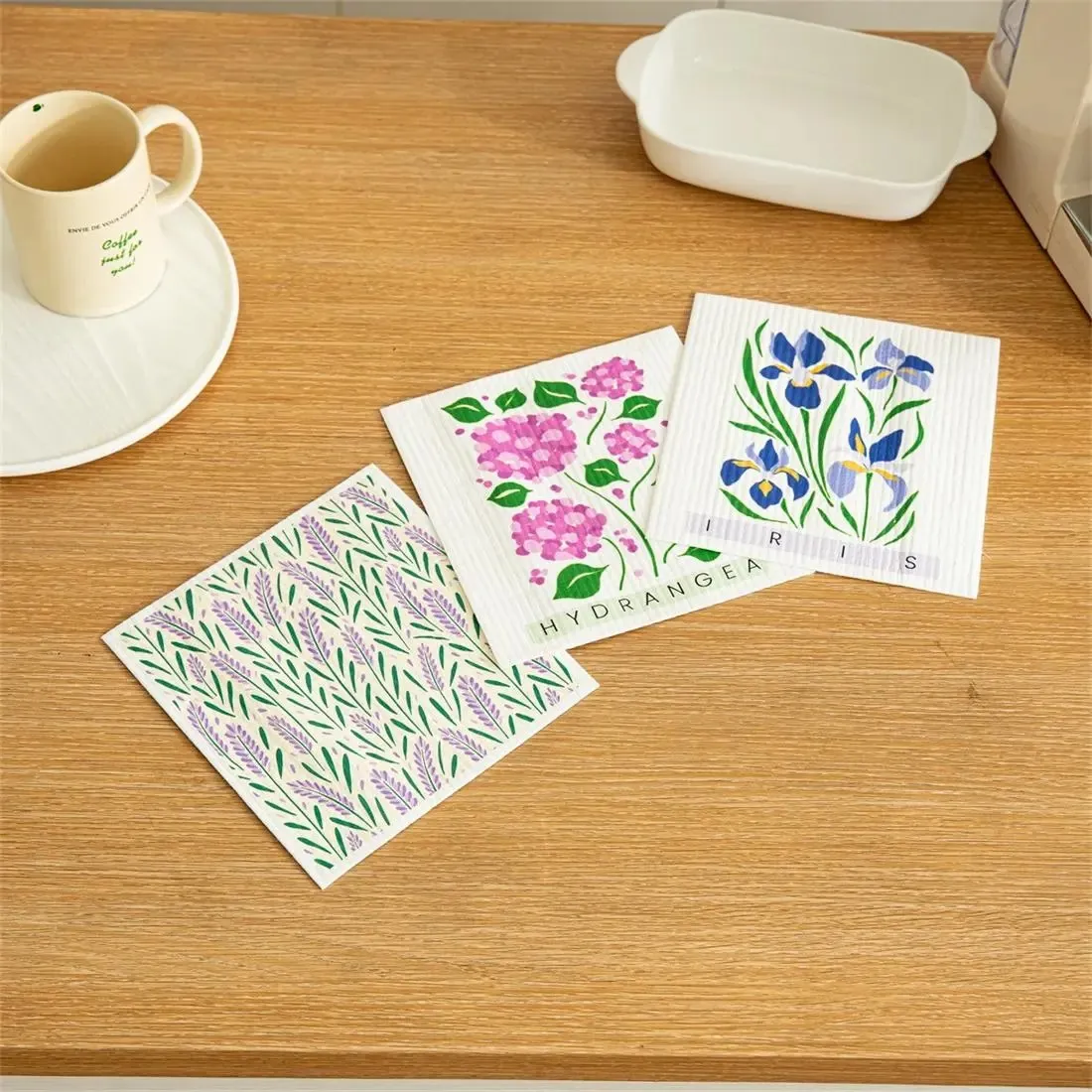
Cellulose sponges provide a mild scrub that guards soft layers and finishes. They clean up easily with water and handle multiple rounds of use. The Printed Cellulose Sponge adds practical value plus custom designs for branding or personal style.
Surface Integrity After Repeated Use
When surfaces wear down from cleaning, this factor weighs heavily in choosing between these sponges. Melamine erasers clean deeper, yet they might harm surfaces gradually. Cellulose sponges focus on keeping things intact.
Abrasive Impact of Magic Erasers on Surface Coatings
The material rates at Shore A45 hardness when dry, then drops to Shore A28 in water. This shift makes it more flexible, which lessens but does not remove the chance of tiny scratches on shiny or painted areas. It fits best for tough spots like tiles, pots, or metals.
Preservation Qualities of Cellulose Sponges on Finishes
Cellulose's mild makeup works well for smooth or covered surfaces. Soft & Gentle: Easy to handle and kind to surfaces. So, it protects delicate items over steady use.
Long-Term Effects on Material Longevity
In the long run, melamine foam can dull shine or fade gentle materials through its fine-rub method. Cellulose, however, holds surface condition steady even with regular handling, which makes it better for easy but often-done chores.
Cleaning Efficiency Across Surface Types
These sponges shine in certain setups, depending on the surface feel, dirt kind, and match with cleaning aids.
Performance on Hard Surfaces (Ceramic, Plastic, Metal)
Melamine sponge with scour pad for the floor, floor disc - polishing pad on the floor cleaning machine. They beat others at lifting stuck dirt from firm surfaces. Still, cellulose does well with soap on partly open or mark-heavy spots.
Effectiveness on Soft or Porous Materials (Wood, Fabric)
Melamine's scrubby side can harm threads or layers in open materials. Here, cellulose's light wipe cuts the danger a lot, while still getting the job done.
Time and Effort Required for Stain Removal Tasks
Melamine foam's build lets it finish with few passes thanks to its good grip on surfaces. Cellulose might need extra push and soap, but it stays safe for touchy areas.
Water Absorption and Drying Characteristics
Handling wetness counts a great deal to stop germ buildup and keep the sponge's form through reuse.
Water Retention Capacity During Use
Natural wood pulp material ensures excellent water absorption and retention. Cellulose leads in mopping up spills, whereas melamine lets go of water steadily without getting too soaked.
Drying Speed and Mold Resistance After Use
Dry promptly after cleaning to avoid mold growth. Both kinds air out fast from their holey design; yet, cellulose needs staying dry to dodge breakdown.
Reusability Based on Moisture Management
Melamine keeps its shape through many wet-dry rounds. The Tri-Layer Sandwich Embossed Melamine Sponge builds on this with a PU middle for extra toughness.
Environmental Considerations and Sustainability Factors
Green effects matter more now when picking products for users and pros alike.
Biodegradability and Material Composition
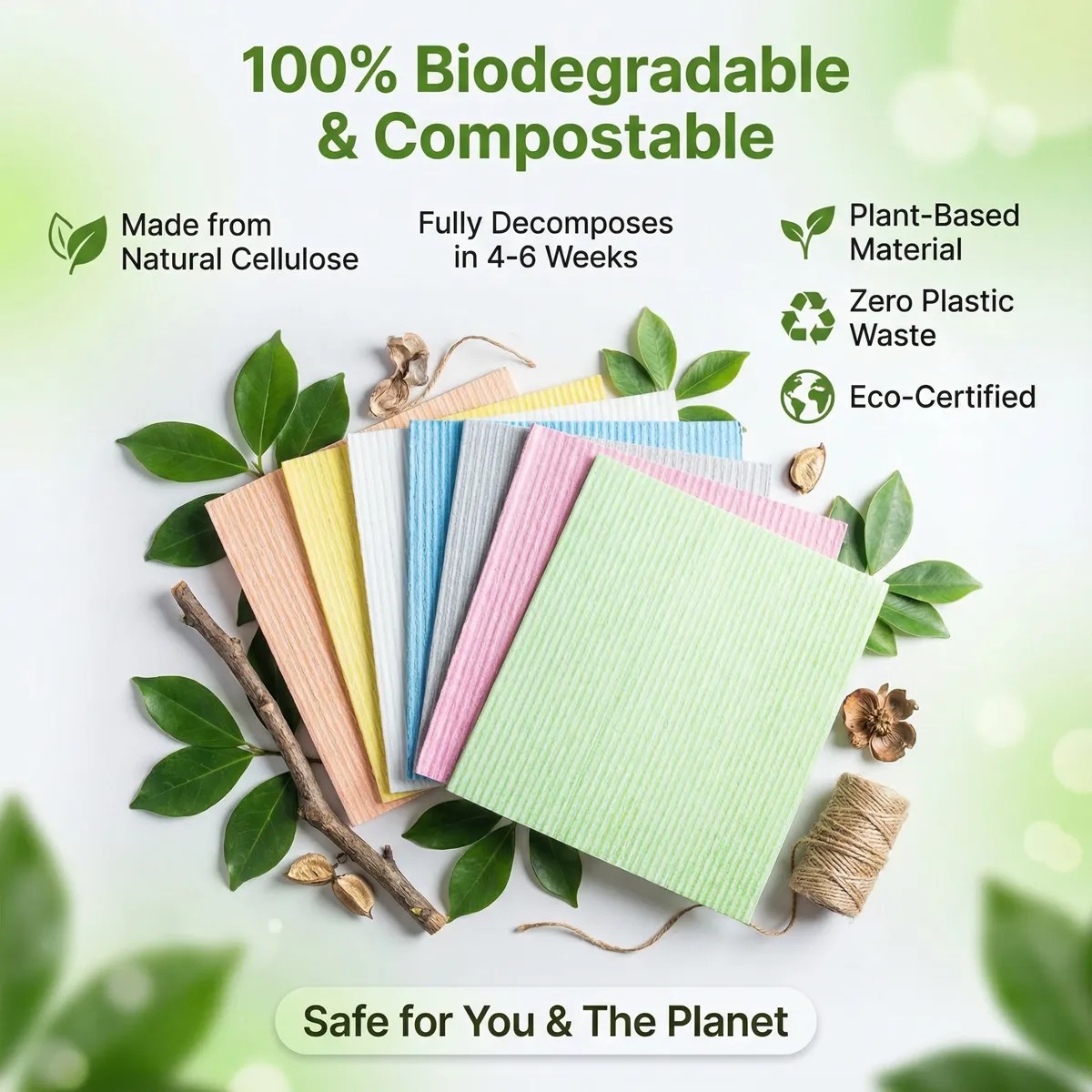
Eco-Friendly & Safe: Biodegradable, renewable, and safe for both home and commercial cleaning. Cellulose breaks down in nature after toss-out. Melamine foam, being man-made, does not biodegrade.
Manufacturing Footprint Comparison
Vacuum foaming technology is used to make the pore uniformity reach 98%, which requires higher energy inputs compared to cellulose processing from renewable wood pulp.
Waste Generation During Lifecycle
Melamine erasers last longer per piece, but throwing them away at the end brings issues. Cellulose wins in simple composting, even if it wears out sooner.
FoamTech’s Product Excellence in Cleaning Solutions
FoamTech runs as a tech firm focused on studying, making, and selling green polymer nanoscale melamine foam. Their items, like the Standard Density Melamine Sponge, get built with the right weight for tough daily work.
ISO-approved making steps guarantee steady quality in every run. With broad custom help, FoamTech aids global buyers in matching sizes to packs.
Top-notch support drives FoamTech’s way of working, offering quick aid from first talks to worldwide shipping.
FAQ
Q1: Can magic erasers be used on all types of surfaces?
A: No. Due to their abrasive nature, they may scratch soft or glossy surfaces like painted walls or plastic-coated furniture.
Q2: Are melamine sponges environmentally friendly?
A: While they are non-toxic, melamine sponges are not biodegradable due to their synthetic resin structure.
Q3: How can I extend the life of my sponge?
A: For both types, ensure proper drying after each use. Soaking in vinegar monthly can also sterilize cellulose sponges.
Q4: Which product is best for deep grease removal?
A: Melamine sponges are more effective for removing heavy grease or embedded stains due to their nano-structured abrasive surface.
As the need for effective cleaning tools grows in homes and businesses, picking the proper sponge matters a lot. This choice affects not just how well it cleans but also how it keeps surfaces safe over repeated uses. Melamine-based magic erasers and cellulose sponges stand out as two popular options. Each brings its own strengths and drawbacks based on the task, how long it lasts, and its effect on the environment.
For reliable cleaning supplies, FoamTech leads as a top maker of eco-friendly polymer nanoscale melamine foam. With more than a decade of know-how and various worldwide approvals, FoamTech uses modern German equipment and strong research skills to create custom cleaning items for home and business needs.
Magic Eraser and Cellulose Sponge: Definitions and Advantages
Melamine-based magic erasers feature a fine open-pore setup at the nano level, which gives strong physical scrubbing via light abrasion. On the other hand, cellulose sponges come from natural wood pulp, and people value them for their mild feel, good soaking power, and green qualities.
Characteristics of Melamine-Based Magic Eraser
Electron microscope views show that melamine sponges have up to 99% porosity, with each pore sized from 5–20 microns. This tight web-like build boosts its sticking power, so it removes tough marks well without any soap. The Standard Density Melamine Sponge serves as a good sample, blending a gentle touch with solid scrubbing for everyday jobs.
Properties of Cellulose Sponge Materials
Cellulose sponges break down naturally, made from wood pulp and cotton strands. Items like the Solid Color Wood Pulp Sponge show great soaking and bendability, so they suit soft areas like glass or smooth wood. The wood pulp base gives top-notch water pickup and hold.
Advantages of Magic Erasers in Cleaning Applications
Strong Mark Removal: Wipe once and it's done. These sponges scrub with plain friction rather than chemicals, which cuts down on leftover bits on surfaces. Their good pull strength lets you rinse and reuse them, so they work well for ongoing tasks without losing strength.
Benefits of Cellulose Sponges in Daily Use
Cellulose sponges provide a mild scrub that guards soft layers and finishes. They clean up easily with water and handle multiple rounds of use. The Printed Cellulose Sponge adds practical value plus custom designs for branding or personal style.
Surface Integrity After Repeated Use
When surfaces wear down from cleaning, this factor weighs heavily in choosing between these sponges. Melamine erasers clean deeper, yet they might harm surfaces gradually. Cellulose sponges focus on keeping things intact.
Abrasive Impact of Magic Erasers on Surface Coatings
The material rates at Shore A45 hardness when dry, then drops to Shore A28 in water. This shift makes it more flexible, which lessens but does not remove the chance of tiny scratches on shiny or painted areas. It fits best for tough spots like tiles, pots, or metals.
Preservation Qualities of Cellulose Sponges on Finishes
Cellulose's mild makeup works well for smooth or covered surfaces. Soft & Gentle: Easy to handle and kind to surfaces. So, it protects delicate items over steady use.
Long-Term Effects on Material Longevity
In the long run, melamine foam can dull shine or fade gentle materials through its fine-rub method. Cellulose, however, holds surface condition steady even with regular handling, which makes it better for easy but often-done chores.
Cleaning Efficiency Across Surface Types
These sponges shine in certain setups, depending on the surface feel, dirt kind, and match with cleaning aids.
Performance on Hard Surfaces (Ceramic, Plastic, Metal)
Melamine sponge with scour pad for the floor, floor disc - polishing pad on the floor cleaning machine. They beat others at lifting stuck dirt from firm surfaces. Still, cellulose does well with soap on partly open or mark-heavy spots.
Effectiveness on Soft or Porous Materials (Wood, Fabric)
Melamine's scrubby side can harm threads or layers in open materials. Here, cellulose's light wipe cuts the danger a lot, while still getting the job done.
Time and Effort Required for Stain Removal Tasks
Melamine foam's build lets it finish with few passes thanks to its good grip on surfaces. Cellulose might need extra push and soap, but it stays safe for touchy areas.
Water Absorption and Drying Characteristics
Handling wetness counts a great deal to stop germ buildup and keep the sponge's form through reuse.
Water Retention Capacity During Use
Natural wood pulp material ensures excellent water absorption and retention. Cellulose leads in mopping up spills, whereas melamine lets go of water steadily without getting too soaked.
Drying Speed and Mold Resistance After Use
Dry promptly after cleaning to avoid mold growth. Both kinds air out fast from their holey design; yet, cellulose needs staying dry to dodge breakdown.
Reusability Based on Moisture Management
Melamine keeps its shape through many wet-dry rounds. The Tri-Layer Sandwich Embossed Melamine Sponge builds on this with a PU middle for extra toughness.
Environmental Considerations and Sustainability Factors
Green effects matter more now when picking products for users and pros alike.
Biodegradability and Material Composition
Eco-Friendly & Safe: Biodegradable, renewable, and safe for both home and commercial cleaning. Cellulose breaks down in nature after toss-out. Melamine foam, being man-made, does not biodegrade.
Manufacturing Footprint Comparison
Vacuum foaming technology is used to make the pore uniformity reach 98%, which requires higher energy inputs compared to cellulose processing from renewable wood pulp.
Waste Generation During Lifecycle
Melamine erasers last longer per piece, but throwing them away at the end brings issues. Cellulose wins in simple composting, even if it wears out sooner.
FoamTech’s Product Excellence in Cleaning Solutions
FoamTech runs as a tech firm focused on studying, making, and selling green polymer nanoscale melamine foam. Their items, like the Standard Density Melamine Sponge, get built with the right weight for tough daily work.
ISO-approved making steps guarantee steady quality in every run. With broad custom help, FoamTech aids global buyers in matching sizes to packs.
Top-notch support drives FoamTech’s way of working, offering quick aid from first talks to worldwide shipping.
FAQ
Q1: Can magic erasers be used on all types of surfaces?
A: No. Due to their abrasive nature, they may scratch soft or glossy surfaces like painted walls or plastic-coated furniture.
Q2: Are melamine sponges environmentally friendly?
A: While they are non-toxic, melamine sponges are not biodegradable due to their synthetic resin structure.
Q3: How can I extend the life of my sponge?
A: For both types, ensure proper drying after each use. Soaking in vinegar monthly can also sterilize cellulose sponges.
Q4: Which product is best for deep grease removal?
A: Melamine sponges are more effective for removing heavy grease or embedded stains due to their nano-structured abrasive surface.
Related Recommendations

Family owned company, globalleader in development andmanufacturing of home careproducts for private label andcontract manufacturing
Copyright © 2026 FoamTech (Zhejiang) New Materials Co., Ltd.